
Social Justice
WHO Global Tuberculosis (TB) Report 2025
For Prelims: World Health Organisation, Tuberculosis (TB), Human Immunodeficiency Virus, Pradhan Mantri TB Mukt Bharat Abhiyan, Ni-kshay Mitras
For Mains: India’s progress and challenges under the National TB Elimination Programme (NTEP) , Drug-resistant TB
Why in News?
The World Health Organisation (WHO) Global Tuberculosis (TB) Report 2025 shows a sharp 21% fall in India’s TB incidence, dropping from 237 per lakh in 2015 to 187 per lakh in 2024 nearly twice the pace of the global decline and marking a major milestone in India’s fight against the disease.
What are the Key Findings of the WHO Global TB Report 2025?
- Global: In 2024, 10.7 million people fell ill with TB and 1.23 million died. The incidence rate was 131 per 100,000 and the case fatality rate was 11.5%.
- TB is among the top 10 causes of death globally and the leading killer from a single infectious agent.
- High-burden Countries: 30 high-burden countries account for 87% of global TB. The top contributors are India (25%), Indonesia (10%), Philippines (6.8%), China (6.5%), Pakistan (6.3%), Nigeria (4.8%), DR Congo (3.9%), Bangladesh (3.6%).
- Key Drivers of TB Incidence: Undernutrition, low income, Human Immunodeficiency Virus (HIV), diabetes, smoking, and alcohol-use disorders.
- India’s Achievement in Sharp Decline: India accounts for 25% of global TB cases but has shown one of the fastest declines among high-burden countries. Treatment coverage improved from 53% (2015) to 92% (2024).
- India’s TB mortality rate fell from 28 per lakh in 2015 to 21 per lakh in 2024. However, despite this progress, India still accounted for about 28% of all TB deaths worldwide in 2024.
- Treatment success rate under Pradhan Mantri TB Mukt Bharat Abhiyan is at 90% (2024), above the global average of 88%.
- India reports one lakh cases remained “missing,” meaning undiagnosed cases that continue to spread the infection. India still contributes 8.8% of the global detection gap, second only to Indonesia (10%).
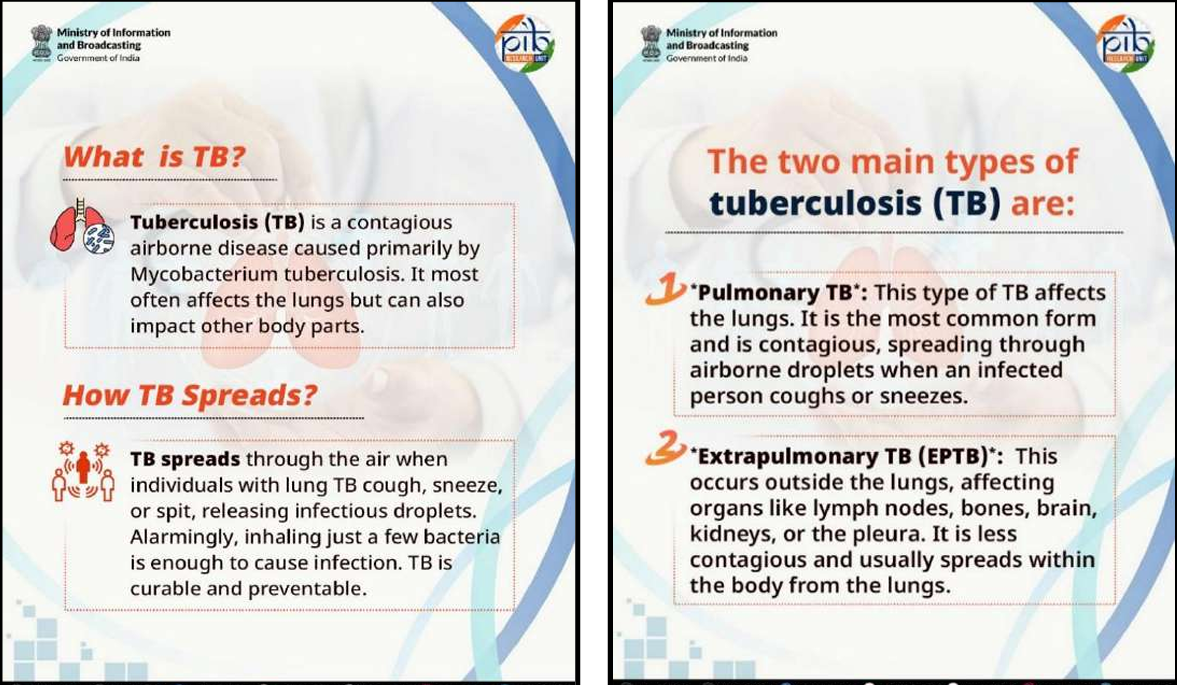
What are the Factors Contributing to the Decline in India’s TB Incidence?
- Early Detection at Scale: Early diagnosis has improved sharply with the rapid expansion of molecular testing facilities.
- India now has the world’s largest TB lab network, and 92% of patients receive upfront Rifampicin drug-resistance testing. This level of early detection helps cut transmission at the source.
- India diagnosed its highest-ever 26.18 lakh TB cases in 2024, closing much of the gap between estimated and detected cases.
- Use of New Technologies: Artificial Intelligence (AI) -enabled handheld X-ray devices, portable diagnostic tools, and expanded NAAT (Nucleic Acid Amplification Testing) coverage have made it easier to find TB quickly, even in remote and high-burden areas.
- These technologies allow faster screening and reduce delays in starting treatment.
- New and Shorter Treatment Regimens: Introduction of the BPaLM (bedaquiline, pretomanid, linezolid, moxifloxacin) regimen reduced DR-TB treatment duration from 18–24 months to just 6 months.
- All-oral MDR-TB therapies improved safety, reduced dropouts and increased successful treatment outcomes.
- Large-Scale Community Screening: Community screening under the TB Mukt Bharat Abhiyan has reached unprecedented levels.
- More than 19 crore vulnerable people were screened, leading to the detection of 24.5 lakh patients, including 8.61 lakh asymptomatic cases. Identifying silent carriers is a major reason for reduced transmission.
- Care has moved closer to communities through 1.78 lakh Ayushman Arogya Mandirs and Ni-kshay Mitras,
- This decentralisation helps people access testing and treatment quickly, preventing long delays that allow TB to spread.
- Improved Nutrition and Social Support: Under the Ni-Kshay Poshan Yojana (NPY), financial support for TB patients' nutrition has been increased from Rs 500 to Rs 1,000 per month, providing Rs 3,000 to Rs 6,000 per patient throughout treatment.
What is India’s TB Elimination Target?
- In 2020, India renamed the Revised National Tuberculosis Control Programme (RNTCP) as the National TB Elimination Programme (NTEP) to align with its goal of eliminating TB by 2025, five years ahead of the global target of 2030.
- Elimination of TB as a public health problem is defined as less than one notified TB case (all forms) per million population and year.
- The NTEP follows the National Strategic Plan (2017-2025), focusing on four key actions: Detect – Treat – Prevent – Build (DTPB) to control and eliminate TB in India.
- While the WHO’s End TB Strategy seeks an 80% reduction in incidence and a 90% reduction in deaths by 2030 (compared to 2015 levels).
- India has achieved only a 21% decline in new cases and a 28% decline in deaths between 2015 and 2024.
Why is India Struggling to Meet its 2025 TB Elimination Target?
- High TB Burden and Rapid Transmission: India carries the world’s highest TB burden, making elimination difficult.
- Overcrowded slums, poor ventilation and dense living conditions allow the infection to spread quickly, keeping transmission levels high despite improvements in detection.
- Drug-Resistant TB (MDR/XDR): Many patients do not complete the full course of treatment, and antibiotics are often misused. This leads to multi-drug resistant (MDR) and extensively drug-resistant (XDR) TB, which are much harder and more expensive to treat.
- Delayed or Missed Diagnosis: A large section of the population, especially in rural, tribal, and hard-to-reach areas, does not have access to rapid TB tests.
- Delayed diagnosis means the disease continues to spread silently in the community.
- Co-existing Diseases and Risk Factors: High prevalence of diabetes, HIV, undernutrition and smoking weakens immunity and increases the risk of infection.
- Rising air pollution further harms lung health. In 2024 alone, around 3.2 lakh TB cases were linked to diabetes.
- Challenges in the Private Sector: Nearly half of TB patients first visit private doctors. However, many private clinics use outdated tests, inconsistent drug regimens, and do not report cases to the government. This leads to missed cases and poor quality of treatment.
- Undernutrition and Poor Living Conditions: Malnutrition remains one of the biggest risk factors for TB in India.
- Poor-quality diets and food insecurity weaken immunity, making people more vulnerable to infection and slower to recover.
- Health System Gaps: Some areas face shortages of trained health workers, irregular drug supply, and weak follow-up mechanisms.
- These gaps reduce treatment adherence and increase the risk of drug resistance.
- TB in children often shows subtle symptoms and requires specialised tests. As a result, many cases remain undetected or are diagnosed late.
What Measures can Strengthen TB Elimination Efforts in India?
- Expand Early and Accurate Diagnosis: Scale up rapid molecular tests such as CBNAAT and TrueNat at district and sub-district levels to ensure uniform access.
- Early detection cuts transmission chains, identifies drug resistance sooner and reduces the number of “missing” cases.
- Tackle Drug-Resistant TB With Stronger Interventions: Scale up shorter, patient-friendly regimens like BPaL, which reduce MDR treatment duration from 18–24 months to 6 months.
- Faster and more tolerable treatments improve outcomes and control the spread of difficult-to-treat TB strains.
- Address Major Risk Factors and Co-Morbidities: Integrate TB screening with diabetes, HIV, malnutrition, alcohol-cessation and tobacco-control programmes. Improve air-quality management, especially in high-burden cities.
- Strengthen Preventive Therapy (TPT): Improve awareness about preventive treatment targeting children, HIV-positive individuals and high-risk groups.
- Preventive therapy stops latent infections from progressing into active TB, crucial for long-term incidence reduction.
- Restore and Strengthen Post-Covid Health Infrastructure: Covid-19 diverted manpower, labs and resources, slowing progress in several states. Rebuild TB laboratory systems and restore manpower that was diverted during the pandemic.
- Strengthened Public-Private Collaboration: Encouraging public–private collaboration can strengthen R&D for new vaccines, point-of-care diagnostics and shorter drug regimens.
- This can lead to adoption of standardised treatment guidelines across private providers and help reduce misdiagnosis and incomplete treatment.
Conclusion
India has made strong progress in reducing TB incidence and improving treatment outcomes, but elimination by 2025 remains out of reach. Sustained innovation, stronger health systems and targeted community support are essential to accelerate India’s path toward TB elimination.
|
Drishti Mains Question: Q. Discuss how decentralised TB services and new diagnostic technologies have transformed India’s TB response. |
Frequently Asked Questions (FAQs)
1. What decline in TB incidence has India achieved according to the WHO Global TB Report 2025?
India recorded a 21% decline in TB incidence between 2015 and 2024, dropping from 237 to 187 per lakh population.
2. What is India’s treatment coverage under NTEP in 2024?
Treatment coverage reached 92% in 2024, up from 53% in 2015.
3. What percentage of global TB cases does India account for?
India accounts for 25% of global TB cases, the highest among all countries.
4. What is BPaLM regimen (bedaquiline, pretomanid, linezolid, moxifloxacin)?
The BPaLM regimen is a new, shorter, all-oral treatment for drug-resistant tuberculosis (DR-TB), it cuts treatment duration from 18–24 months to just 6 months.
UPSC Civil Services Examination, Previous Year Questions (PYQs)
Mains
Q. Besides being a moral imperative of a Welfare State, primary health structure is a necessary precondition for sustainable development.” Analyse. (2021)
Social Justice
Surrogacy Law in India: Rights & Limitations
For Prelims: Surrogacy Law, Surrogacy (Regulation) Act 2021, Altruistic surrogacy, Commercial Surrogacy, Article 21 of the constitution.
For Mains: Surrogacy Law and Associated Challenges, Mechanisms, laws, institutions and Bodies constituted for the protection and betterment of these vulnerable sections.
Why in News?
The Supreme Court has agreed to examine whether the ban on using surrogacy for a second child under the Surrogacy (Regulation) Act, 2021, violates the constitutional right to reproductive autonomy, particularly in cases of secondary infertility.
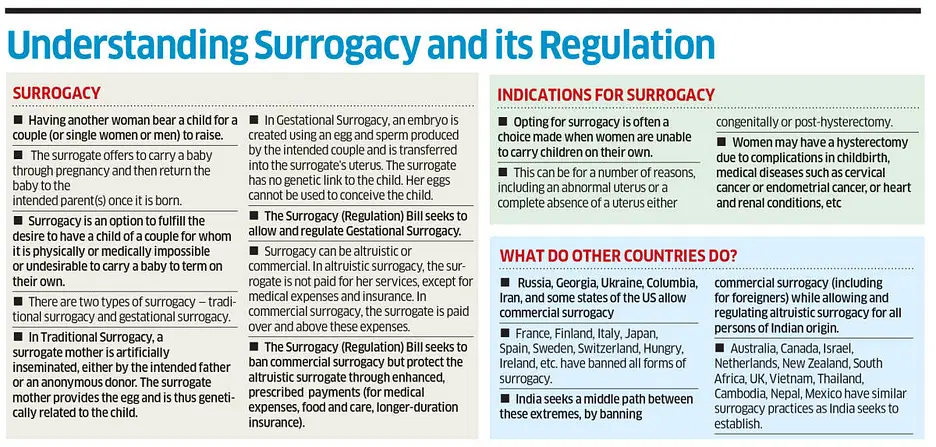
Why are Limitations Under India’s Surrogacy Law Being Legally Challenged?
- Surrogacy Act, 2021 in Question: Section 4(iii)(C)(II) of the Surrogacy (Regulation) Act, 2021 prohibits couples from opting for surrogacy if they already have a child—biological, adopted, or through surrogacy—except in cases where the existing child is affected by a disability, life-threatening condition, or an incurable illness.
- Couples with secondary infertility argue that this restriction denies them surrogacy access and violates their constitutional rights to reproductive autonomy.
- Arguments by Petitioners: Secondary infertility, though less discussed, is emotionally and medically distressing.
- Surrogacy should not be denied when there is no national one-child policy, and adoption laws already allow for second or third children (e.g., Hindu Adoption and Maintenance Act, 1956, Juvenile Justice Act, 2015).
- The ban amounts to state overreach into reproductive autonomy, violating Article 21 (right to life and personal liberty).
- Government’s Stand:
- Surrogacy Not a Fundamental Right: Surrogacy involves the use of another woman's womb. The Constitution does not recognise a right over another individual's body. Surrogacy is a statutory right, not a constitutional one.
- Restriction is Reasonable and Needed: Prevents unnecessary surrogacy when a couple already has a healthy, living child. Protects surrogate mothers from undergoing pregnancy in non-essential cases.
- Well-Balanced Provision: The proviso allows exceptions for serious medical conditions, ensuring genuine need is addressed and surrogacy is not misused.
- Supreme Court’s Observations: The Court observed that the restriction appears “reasonable,” noting concerns related to India’s growing population.
- It nonetheless emphasized that a detailed examination is required to determine whether the provision infringes reproductive freedom, bodily autonomy, and the right to privacy.
What are the Key Legal Frameworks Related to Surrogacy in India?
- Surrogacy (Regulation) Act, 2021:
- Permissibility: Surrogacy allowed only for altruistic purposes and for couples with proven infertility; commercial surrogacy is fully prohibited.
- Eligibility Requirements: Only a legally married Indian man (26–55) and woman (25–50) or a widow/divorcee (35–45) can seek surrogacy, and they must not have any existing biological, adopted, or surrogate child.
- Criteria For Surrogate Mother: Must be a close relative, married, have at least one child, be 25–35 years old, and act as a surrogate only once.
- Legal Status at Birth: The child is legally the biological child of the intending couple; abortion requires consent and must follow the MTP Act.
- Rule 7 (Donor Egg Restriction): Rule 7 bans donor eggs, but the Supreme Court has stayed its operation in a specific case involving Mayer-Rokitansky-Küster-Hauser (MRKH) Syndrome.
- Amendment to Surrogacy (Regulation) Rules, 2022: It allowed surrogacy with donor gametes if either spouse in the intending couple is certified by the District Medical Board to require donor gametes due to a medical condition.
- This implies that couples still cannot opt for surrogacy if both partners have medical issues.
- For divorced or widowed women opting for surrogacy, it mandates the use of the woman's own eggs alongside donor sperm.
What are the Key Challenges in India’s Surrogacy Framework?
- Risk of Exploitation vs. Autonomy: The ban on commercial surrogacy restricts women’s reproductive choices and struggles to balance protection with autonomy.
- Patriarchal Reinforcement: By limiting women’s agency over reproductive labour, the law indirectly upholds patriarchal norms and affects Article 21 rights.
- Emotional Strain in Altruistic Surrogacy: Family-based surrogacy can create emotional pressure, strain relationships, and offer only a limited pool of willing surrogates.
- Lack of Professional Support: Excluding agencies removes structured coordination, financial clarity, and emotional support for both surrogates and intending parents.
- Exclusionary Eligibility Rules: Unmarried individuals, single men, same-sex couples, and partners in live-in relationships are barred, discriminating against diverse family forms.
What Reforms Are Needed to Strengthen India’s Surrogacy Framework?
- Rationalise Eligibility Criteria: The government and legislature should consider revising restrictive provisions—especially concerning secondary infertility, donor gametes, and the exclusion of unmarried, to ensure the law aligns with evolving family structures and constitutional rights.
- Strengthen Safeguards: Rather than prohibitive rules, the focus should shift to robust regulatory mechanisms ensuring informed consent, medical safety, fair compensation for expenses, and protection from exploitation for surrogate mothers.
- Counselling and Support Mechanisms: Mandatory psychological, legal, and medical counselling for intending parents and surrogate mothers can reduce emotional strain, prevent coercion, and help all parties navigate complex decisions.
- Institutional Mechanisms: District and National Surrogacy Boards should be empowered with better monitoring tools, grievance-redress mechanisms, and transparent processes to regulate surrogacy clinics, agencies, and medical boards.
- Rights-Based Policy Framework: Future reforms must uphold Article 21 rights, respect bodily autonomy, and balance protection with empowerment—ensuring the surrogacy ecosystem remains ethical, inclusive, and in harmony with constitutional values.
Conclusion
As the Supreme Court reassesses the current restrictions, India has an opportunity to refine its surrogacy framework to balance ethical safeguards with reproductive autonomy. A more inclusive, rights-based, and well-regulated system can protect surrogate mothers, support intending parents, and ensure the law remains aligned with evolving social realities and constitutional values.
|
Drishti Mains Questions: Q. The Surrogacy (Regulation) Act, 2021 reinforces patriarchal notions while aiming to curb exploitation.” Critically analyse. |
Frequently Asked Questions (FAQs)
1. What is the main restriction under Section 4(iii)(C)(II) of the Surrogacy (Regulation) Act, 2021?
It bars couples with an existing child from using surrogacy unless that child has a serious disability or life-threatening illness.
2. Why are couples with secondary infertility challenging Section 4(iii)(C)(II)?
They argue the provision violates their reproductive autonomy and privacy under Article 21.
3. What is the government’s stand?
It says surrogacy isn’t a fundamental right, and the restriction avoids unnecessary use of a surrogate.
4. What is the Supreme Court observation?
It has called the restriction “reasonable” but will still examine its impact on reproductive freedom.
5. Does Indian law permit commercial surrogacy?
No, only altruistic surrogacy is allowed, limited to medical-cost reimbursement.
UPSC Civil Services Examination, Previous Year Questions (PYQs)
Q. In the context of recent advances in human reproductive technology, “Pronuclear Transfer” is used for (2020)
(a) fertilisation of egg in vitro by the donor sperm
(b) genetic modification of sperm producing cells
(c) development of stem cells into functional embryos
(d) prevention of mitochondrial diseases in offspring
Ans: (d)
Facts for UPSC Mains
India’s Carbon Emission Growth Slows in 2025
Why in News?
India’s carbon dioxide emissions from fossil fuels are projected to rise by only 1.4% in 2025, a sharp slowdown from the 4% increase recorded in 2024, according to the Global Carbon Project (GCP) 2025 study.
- GCP, is an international collaborative program established in 2001 to study and integrate knowledge of the global carbon cycle and human activities affecting it.
What are the Key Findings of the Global Carbon Project 2025 Study?
- India’s Emissions Trends: Emissions are expected to increase from 3.19 billion tonnes in 2024 to 3.22 billion tonnes in 2025.
- India’s per-capita emissions stand at 2.2 tonnes/year, the second lowest among the 20 largest economies. Coal remains the primary source of India’s CO₂ emissions.
- India is the third largest emitter of carbon at 3.2 billion tonnes annually (2024), led by the US (4.9 billion tonnes) and China (12 billion tonnes).
- India’s annual emission growth averaged 6.4% between 2005–2014, but has dropped to 3.6% during 2015–2024, reflecting improvements in carbon intensity and expanding renewable capacity.
- Global Emission Trends: Global CO₂ emissions from fossil fuels are expected to rise 1.1%, reaching a record 38.1 billion tonnes this year.
- Global fossil CO₂ emissions in 2025 are rising across all major fuels, with coal up 0.8%, oil up 1%, and natural gas up 1.3%.
- Despite years of climate action, global emissions have not begun to decline.
- CO₂ emissions from land-use change (deforestation, degradation) are expected to fall slightly. However total global CO₂ emissions (fossil fuels + land use) are flat at around 42 billion tonnes, similar to 2024.
- Carbon Budget and Climate Risks: The study warns that the carbon budget (the maximum CO₂ we can emit while still keeping warming below 1.5°C) is almost exhausted, with only 170 billion tonnes of CO₂ remaining (about four years of emissions at 2025 levels).
- Scientists say staying below 1.5°C is no longer realistic at the current pace of emissions, and climate change is already weakening land and ocean carbon sinks, reducing their ability to absorb CO₂.
India’s Emissions Profile
- India’s 4th Biennial Update Report (BUR-4), submitted to the UNFCCC in 2024, recorded a 7.93% fall in total GHG emissions in 2020 compared to 2019.
- Excluding Land Use, Land-Use Change, and Forestry (LULUCF), India’s emissions were 2,959 million tonnes of CO2e (carbon dioxide equivalent, a way to measure the impact of GHG).
- Including LULUCF, net emissions were 2,437 million tonnes of CO₂e.
- The energy sector contributed 75.66% of total emissions, while land-related activities sequestered about 522 million tonnes of CO₂, offsetting 22% of national emissions.
What are the Factors Contributing to India’s Slowdown in Carbon Dioxide Emissions?
- Role of Weather Conditions: A strong and early monsoon in 2025 reduced the need for cooling and lowered irrigation demand, easing pressure on power generation and slowing the rise in fossil-fuel emissions.
- Renewable Energy Expansion: Rapid growth in solar and wind power added clean electricity to the grid, reducing reliance on coal and helping keep CO₂ emissions in check.
- As per International Renewable Energy Agency (IRENA) RE Statistics 2025, India ranks 4th globally in total renewable capacity, 4th in wind power, and 3rd in solar power, reflecting the scale and speed of its energy transition.
- Renewables now account for 50.07% of India’s total installed power capacity (484.82 GW), achieving the COP26 non-fossil target five years ahead of schedule.
- Non-fossil capacity has risen to 242.8 GW, moving India steadily toward the 500-GW target for 2030.
- Coal Consumption Trends: Coal use grew only marginally in 2025, and India’s power-sector CO₂ emissions fell by 1% year-on-year in the first half of 2025 due to strong clean-energy additions and lower overall power demand.
- Lower cooling needs and higher renewable generation helped India avoid the usual spike in coal consumption that typically pushes emissions upward.
- Economic and Structural Factors: Improvements in energy efficiency and cleaner technologies have reduced the carbon intensity of the economy, while a larger economic base naturally slows percentage growth in emissions.
What are India’s Long-Term Low Emission Strategies (LT-LEDS)?
India has devised LT-LEDS to chart a sustainable path forward in addressing “CLIMATE” change. India’s LT-LEDS involves seven key strategic transitions, namely:
- C – Clean Electricity: Low-carbon development of electricity systems aligned with national development needs.
- L – Low-Carbon Transport: Building an integrated, efficient and inclusive low-carbon transport system.
- I – Inclusive Urban Adaptation: Promoting climate-resilient urban design, energy-efficient buildings and sustainable urbanisation.
- M – Manufacturing & Industry Decarbonisation: Decoupling economic growth from emissions through efficient, innovative, low-emission industrial systems.
- A – Atmospheric CO₂ Removal: Scaling CO₂ removal and engineering solutions to tackle hard-to-abate sectors.
- T – Tree & Vegetation Enhancement: Expanding forest and vegetation cover with ecological and socio-economic considerations.
- E – Economic Path to Net-Zero: Strengthening economic and financial frameworks for low-carbon development and the transition to Net-Zero by 2070.
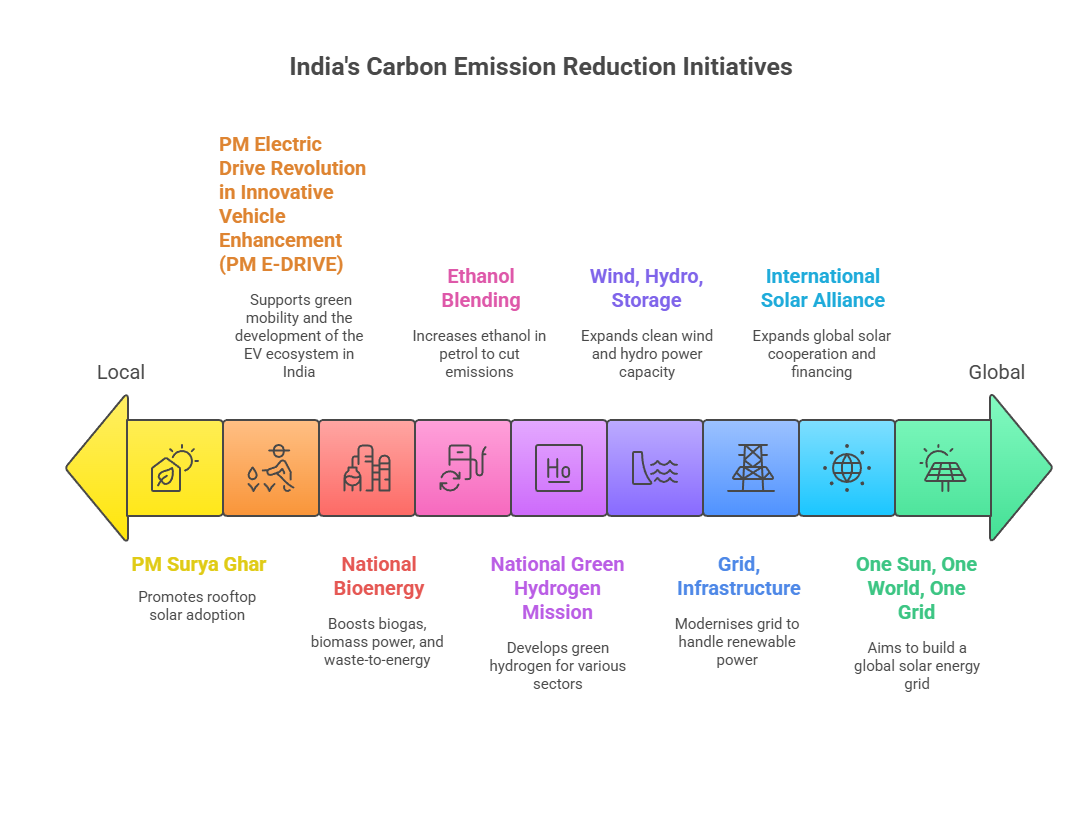
Conclusion
India’s emissions slowdown is encouraging, but rising global emissions and a nearly depleted 1.5°C carbon budget add urgency to COP30 in Belem. Keeping up India’s clean-energy momentum and securing stronger global action will be crucial to limiting future climate risks.
|
Drishti Mains Question Q. Discuss how India’s rapid renewable energy expansion is reshaping its emission trajectory and helping meet long-term climate commitments. |
Frequently Asked Questions (FAQs)
1. What does the Global Carbon Project report say about India’s emissions in 2025?
India’s fossil-fuel CO₂ emissions are expected to rise only 1.4%, reaching about 3.22 billion tonnes.
2. Why are India’s emissions slowing despite economic growth?
Strong renewable expansion, better energy efficiency, cleaner technologies, and lower cooling demand due to a strong monsoon.
3. How significant is India’s renewable energy capacity?
As of 2025, Renewables form 50.07% of total installed capacity; non-fossil capacity has reached 242.8 GW.
4. Which sector continues to dominate India’s CO₂ emissions?
Coal remains the largest contributor, though power-sector emissions fell by 1% in early 2025 due to high renewable output.
UPSC Civil Services Examination Previous Year Question (PYQ)
Prelims
Q. Consider the following: (2019)
- Carbon monoxide
- Methane
- Ozone
- Sulphur dioxide
Which of the above are released into atmosphere due to the burning of crop/biomass residue?
(a) 1 and 2 only
(b) 2, 3 and 4 only
(c) 1 and 4 only
(d) 1, 2, 3 and 4
Ans: (d)
Q. The ‘Common Carbon Metric’, supported by UNEP, has been developed for
(a) assessing the carbon footprint of building operations around the world
(b) enabling commercial fanning entities around the world to enter carbon emission trading
(c) enabling governments to assess the overall carbon footprint caused by their countries
(d) assessing the overall carbon foot-print caused by the use of fossil fuels by the world in a unit time
Ans: (a)
Q. “Momentum for Change: Climate Neutral Now” is an initiative launched by (2018)
(a) The Intergovernmental Panel on Climate Change
(b) The UNEP Secretariat
(c) The UNFCCC Secretariat
(d) The World Meteorological Organisation
Ans: (c)
Mains
Q. The adoption of electric vehicles is rapidly growing worldwide. How do electric vehicles contribute to reducing carbon emissions and what are the key benefits they offer compared to traditional combustion engine vehicles? (2023)
Important Facts For Prelims
Wholesale Price Index Slips Into Deflation
Why in News?
India’s Wholesale Price Index (Base Year: 2011–12) fell to a 27-month low in October 2025, slipping into deflation at –1.21%, compared to –0.13% in September. The drop was driven by lower prices of food items and crude petroleum, softer fuel and manufactured goods prices, and the impact of 2025 Goods and Services Tax (GST) reforms.
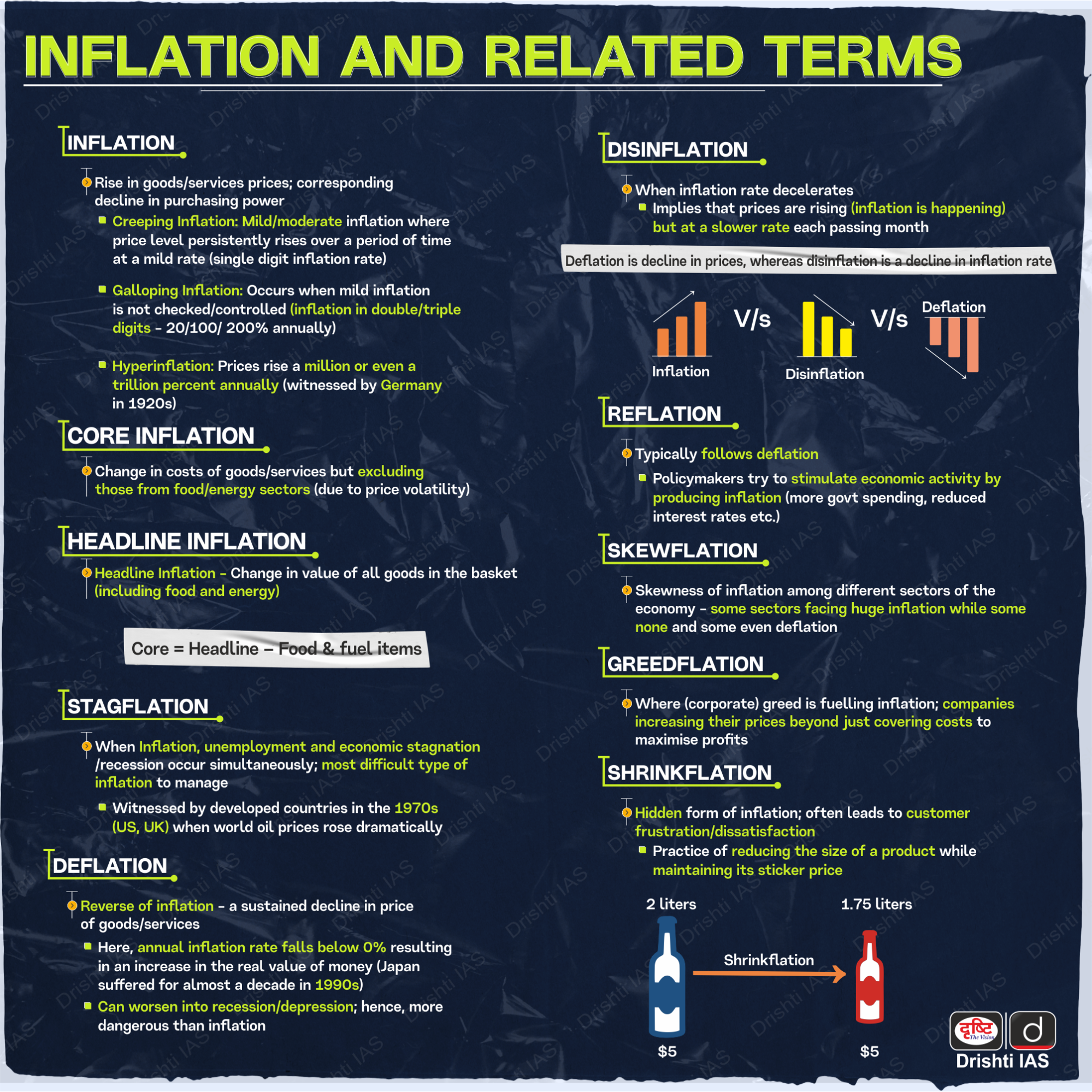
- Deflation is the opposite of Inflation. It refers to a sustained and general decrease in the overall price levels of goods and services in the economy.
What are the Key Facts About Wholesale Price Index?
- About WPI: WPI tracks the average change in prices at the wholesale level for a fixed basket of goods.
- The prices tracked are ex- factory price for manufactured products, agri-market (mandi) price for agricultural commodities and ex-mines prices for minerals.
- Weights given to each commodity covered in the WPI basket is based on the value of production adjusted for net imports. WPI basket does not cover services.
- Composition of WPI Basket: It covers commodities falling under the three Major Groups namely Primary Articles, Fuel and Power and Manufactured products.
- Primary Articles (Base Year: 2011–12): Includes food articles, non-food articles, minerals, and crude petroleum and natural gas.
- Primary Articles hold the second-highest weight (22.62) in the WPI basket.
- Fuel and Power (Base Year: 2011–12): Covers coal, mineral oils, and electricity.
- Fuel and Power have the lowest weight (13.15) in the WPI basket.
- Manufactured Products (Base Year: 2011–12): Comprises 22 industrial sub-groups.
- Manufactured Products carry the highest weight (64.23) in the WPI basket.
- The WPI Food Index (weight 24.38) tracks price changes of food items at the producer level. It consists of Food Articles from the Primary Articles group and Food Products from the Manufactured Products group.
- Primary Articles (Base Year: 2011–12): Includes food articles, non-food articles, minerals, and crude petroleum and natural gas.
- Compilation: Provisional monthly WPI for All Commodities is released on 14th of every month (next working day, if 14th is holiday).
- The WPI is compiled and released by the Office of the Economic Adviser under the Department for Promotion of Industry and Internal Trade, Ministry of Commerce and Industry.
- Treatment of Imports and Exports: WPI covers all transactions at the first point of bulk sale, with item weights based on domestic production plus net imports.
- The only exception is crude oil, where only domestic production is counted because imports are far larger, crude itself isn’t traded in India’s wholesale market, and its petroleum derivatives are already included under fuel and power.
- Importance of WPI: WPI helps monitor price movements across the economy and acts as a key deflator for converting nominal GDP and other variables into real values.
- It guides trade, fiscal and economic policies and is widely used in escalation clauses for long-term contracts in sectors like construction and machinery. Businesses and analysts also rely on it for price adjustments.
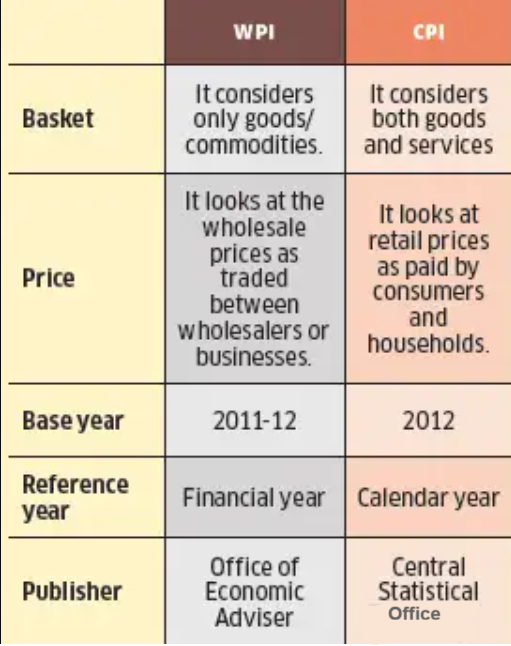
- Difference Between WPI and CPI: WPI captures wholesale price changes, while consumer price index (CPI) measures retail-level price changes faced by consumers.
- WPI signals early shifts in commodity prices, whereas CPI is more relevant for assessing the cost of living.
- CPI is released by the Ministry of Statistics & Programme Implementation (MoSPI), while WPI is published by the Ministry of Commerce and Industry.
Frequently Asked Questions (FAQs)
1. What does Wholesale Price Index(WPI) measure?
WPI tracks the average change in wholesale-level prices for a fixed basket of goods, covering primary articles, fuel and power, and manufactured products.
2. Who releases the WPI?
It is compiled and released monthly by the Office of the Economic Adviser, DPIIT, under the Ministry of Commerce and Industry.
3. Why is crude oil treated differently in WPI?
Only domestic production is counted because crude isn’t traded in the domestic wholesale market and its imports far exceed local output.
4. What makes WPI different from Consumer Price Index (CPI)?
WPI measures wholesale price changes, while CPI reflects retail prices and cost of living; CPI is released by MoSPI.
UPSC Civil Services Examination, Previous Year Question (PYQ)
Prelims
Q. Consider the following statements: (2020)
- The weightage of food in Consumer Price Index (CPI) is higher than that in Wholesale Price Index (WPI).
- The WPI does not capture changes in the prices of services, which CPI does.
- Reserve Bank of India has now adopted WPI as its key measure of inflation and to decide on changing the key policy rates.
Which of the statements given above is/are correct?
(a) 1 and 2 only
(b) 2 only
(c) 3 only
(d) 1, 2 and 3
Ans: (a)
Important Facts For Prelims
Hepatitis A
Why in News?
Experts argue that Hepatitis A, now emerging as a major cause of acute liver failure, should be prioritised for inclusion in the Universal Immunisation Programme (UIP) to strengthen national protection against the disease.
What is Hepatitis A?
- About: Hepatitis A is a viral infection that causes inflammation of the liver, triggered by the Hepatitis A virus (HAV). Unlike Hepatitis B and C, it does not cause chronic liver disease, though illness can range from mild to severe.
- Symptoms may include fever, fatigue, nausea, abdominal discomfort, diarrhoea, dark urine, and jaundice.
- Transmission: Hepatitis A spreads through the faecal–oral route, mainly via contaminated food or water or dirty hands.
- Protective antibodies in India have dropped from over 90% two decades ago to below 60% in many urban regions, creating a growing pool of susceptible young people.
- Global Burden: Hepatitis A occurs worldwide and the virus can persist in the environment. In 2016, WHO estimated 7,134 deaths, contributing 0.5% of global viral hepatitis mortality.
- Treatment: There is no specific antiviral treatment for Hepatitis A. Care focuses on symptom relief, hydration, nutrition, and rest.
- Vaccine: Both live-attenuated and inactivated Hepatitis A vaccines provide 90–95% protection, with immunity lasting 15–20 years or lifelong. India’s Biological E’s Biovac-A, a live-attenuated vaccine, has been used for over two decades with excellent safety and efficacy.
What is Hepatitis?
- About: Hepatitis is liver inflammation caused by viral infections, autoimmune disorders, or alcohol/drug toxicity.
- It can be acute, with symptoms like jaundice, fever, and vomiting, or chronic, lasting over six months and potentially progressing to fibrosis, cirrhosis, or liver cancer.
- Causes: Hepatitis can result from hepatotropic viruses (A, B, C, D, E), other viruses like Varicella and SARS-CoV-2, as well as non-viral factors such as alcohol, drugs, autoimmune disorders, and fatty liver disease.
- Hepatitis B vaccines are highly effective in preventing Hepatitis B virus (HBV) infection, while no effective vaccine is available for Hepatitis C.
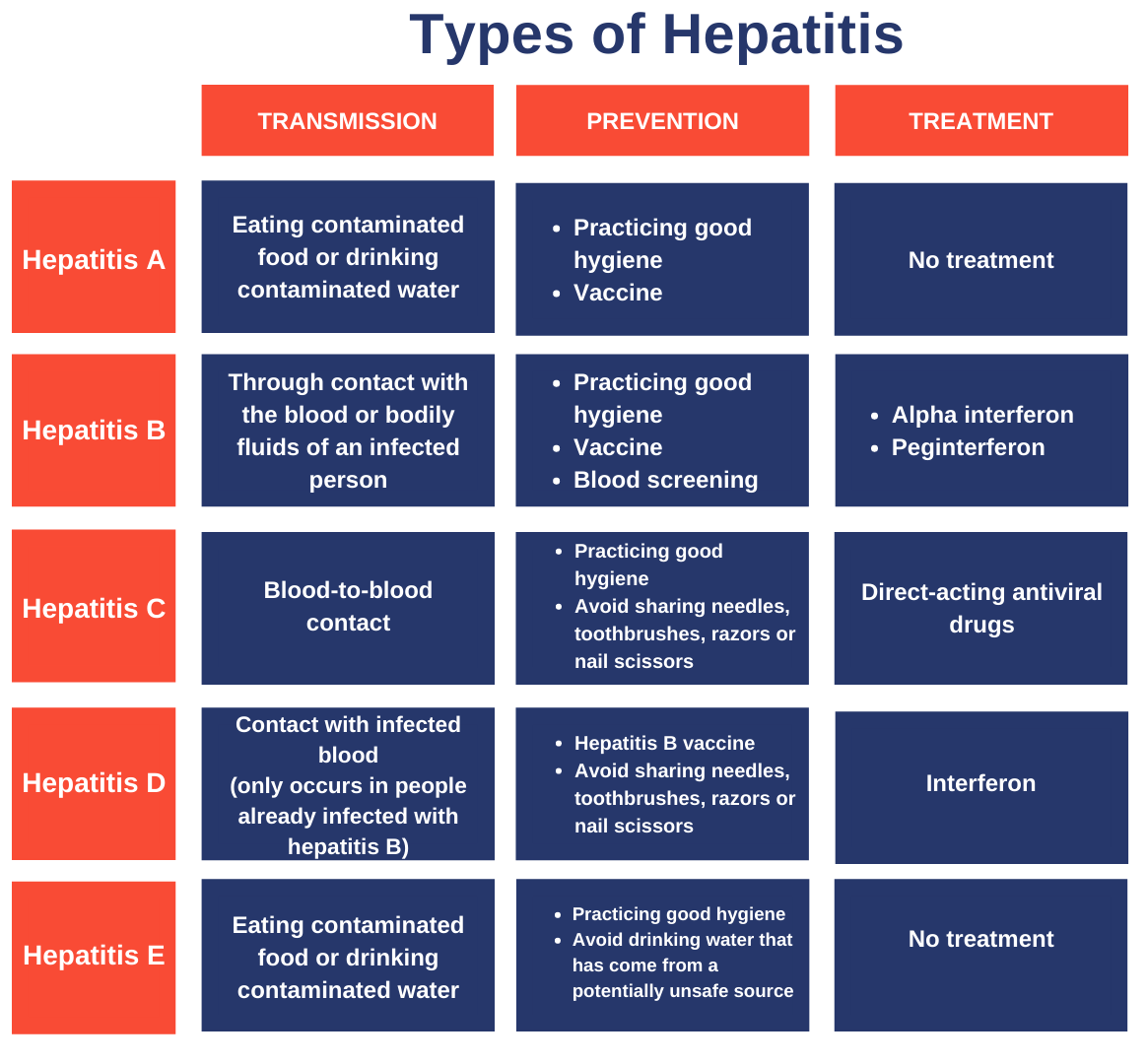
- Types of Hepatitis: There are 5 main hepatitis viruses—A, B, C, D, and E—each capable of causing liver disease but differing in transmission, severity, geographic spread, and prevention.
- Occurrence: Types B and C cause long-term infections and are the major causes of cirrhosis, liver cancer, and viral hepatitis deaths, leading to about 1.3 million deaths each year and affecting 304 million people worldwide.
- Similarly, Hepatitis A is no longer a benign childhood infection; it is an emerging public health concern.
- Without urgent and sustained action, viral hepatitis is projected to cause an additional 9.5 million new infections, 2.1 million liver cancer cases, and 2.8 million deaths by 2030.
- Flagship Initiatives:
- WHO’s Global Health Sector Strategy on HIV, Viral Hepatitis and Sexually Transmitted Infections (2022–2030): The strategy aims to cut new hepatitis infections to 520,000 cases a year and hepatitis-related deaths to 450,000 by 2030, achieving a 90% drop in incidence and 65% drop in mortality from 2015 levels.
- National Viral Hepatitis Control Program (2018): Aims to eliminate Hepatitis C by 2030 and significantly reduce the infected population, morbidity, and mortality from Hepatitis A, B, C, and E across India.
Universal Immunisation Programme (UIP)
- About: Universal Immunization Programme (UIP) is one of India’s most comprehensive public health initiatives, aiming to provide life-saving vaccines to millions of newborns and pregnant women every year.
- Diseases Covered: It offers free immunisation against 12 major diseases.
- At the national level, it includes vaccines for Diphtheria, Pertussis, Tetanus, Polio, Measles, Rubella, Childhood Tuberculosis, Hepatitis B, and Hib-related Meningitis/Pneumonia.
- At the sub-national level, it provides protection against Rotavirus, Pneumococcal Pneumonia, and Japanese Encephalitis.
- Evolution of the UIP: It was initially launched in 1978 as the Expanded Programme on Immunization (EPI) and was renamed the Universal Immunisation Programme in 1985 when its coverage expanded from urban areas to rural regions, addressing disparities in healthcare access.
Frequently Asked Questions (FAQs)
1. What is the mode of transmission of Hepatitis A?
Hepatitis A is transmitted through the faecal–oral route, primarily via contaminated food, water, or unclean hands.
2. What is the main goal of the National Viral Hepatitis Control Program (2018)?
The programme aims to eliminate Hepatitis C by 2030 and reduce morbidity and mortality from Hepatitis A, B, C, and E.
3. Which diseases are covered nationally and sub-nationally under the Universal Immunisation Programme (UIP)?
Nationally: Diphtheria, Pertussis, Tetanus, Polio, Measles, Rubella, TB, Hepatitis B, Hib diseases.
Sub-nationally: Rotavirus, Pneumococcal Pneumonia, Japanese Encephalitis
UPSC Previous Year Question (PYQ)
Q. Which one of the following statements is not correct? (2019)
(a) Hepatitis B virus is transmitted much like HIV.
(b) Hepatitis B, unlike Hepatitis C, does not have a vaccine.
(c) Globally, the number of people infected with Hepatitis B and C viruses arc several times more than those infected with HIV.
(d) Some of those infected with Hepatitis B and C viruses do not show the symptoms for many years.
Ans: (b)
Q. 'Mission Indradhanush' launched by the Government of India pertains to: (2016)
(a) Immunization of children and pregnant women
(b) Construction of smart cities across the country
(c) India's own search for Earth-like planets in outer space
(d) New Educational Policy
Ans: (a)
Important Facts For Prelims
Strait of Hormuz
Why in News?
Iran seized a Marshall Islands-flagged oil tanker while it was passing through the Strait of Hormuz and diverted it into Iranian territorial waters.
- This incident has raised concerns about maritime security in one of the world's most strategic energy chokepoints.
What are the Key Facts Related to the Strait of Hormuz?
- Strategic Location: It is a narrow maritime chokepoint (55–95 km wide) between Iran and the Arabian Peninsula, linking the Persian Gulf with the Gulf of Oman and the Arabian Sea (only sea passage from the Persian Gulf to the open ocean).
- It functions as a critical corridor for global shipments of oil and liquefied natural gas (LNG) from Persian Gulf nations.
- Energy Significance: It is a critical artery for global oil movement, carrying 20% of the world’s total oil supply.
- Major exporters such as Saudi Arabia, Iran, Iraq, Kuwait, UAE, and Qatar depend on this route, with over 80% of the oil headed toward Asian markets, especially India, China, Japan, and South Korea.
- India’s Reliance: Approximately 40% of India’s crude oil imports and nearly 54% of its LNG imports move through this strategic passage, underscoring its vital role in India’s energy security.
- Past Geopolitical Flashpoints: Its narrow width (around 21 miles) makes it highly vulnerable to blockades or disruptions, and past incidents—such as the 2019 tanker attacks and US–Iran tensions—have shown how quickly regional issues can trigger global oil price spikes.
- However, a complete shutdown of the Strait of Hormuz has never occurred, though the region has experienced major disruptions.
- Strategic Bypass Routes: Saudi Arabia and the UAE operate pipelines that bypass the Strait, while Iran relies on the Goreh–Jask pipeline and the Jask terminal to send oil directly to the Gulf of Oman.

Frequently Asked Questions (FAQs)
1. What is the Strait of Hormuz?
The Strait links the Persian Gulf to the Gulf of Oman and carries 20–25% of global oil, making it critical for global energy flows and maritime trade.
2. How dependent is India on shipments via the Strait of Hormuz?
Around 40% of India’s crude oil imports and nearly 54% of its LNG imports pass through the Strait, underscoring its importance for India’s energy security.
3. Which countries’ exports primarily transit the Strait of Hormuz?
Major exporters using the Strait include Saudi Arabia, Iran, Iraq, Kuwait, UAE, and Qatar, with over 80% of this oil headed to Asian markets.
UPSC Civil Services Examination, Previous Year Questions (PYQs)
Q. Between India and East Asia, the navigation-time and distance can be greatly reduced by which of the following? (2011)
- Deepening the Malacca straits between Malaysia and Indonesia.
- Opening a new canal across the Kra isthmus between the Gulf of Siam and Andaman Sea.
Which of the statements given above is/are correct?
(a) 1 only
(b) 2 only
(c) Both 1 and 2
(d) Neither 1 nor 2
Ans: (b)
Q. Which one of the following can one come across if one travels through the Strait of Malacca? (2010)
(a) Bali
(b) Brunei
(c) Java
(d) Singapore
Ans: (d)
Rapid Fire
Ambaji Marble Earns GI Tag
Ambaji marble from Gujarat has been granted the Geographical Indication (GI) tag, recognising its unique white stone and strengthening its cultural, industrial and global identity.
- Origin: Ambaji marble quarried in Ambaji town of Banaskantha district, Gujarat, a major pilgrimage site and Shaktipeeth.
- Unique Qualities: It is known for its pure white colour, exceptional shine, high calcium content and remarkable durability.
- Its durability is often compared to other historical stones, including those used in the Taj Mahal and it is widely used in temples and sacred architecture, it is valued for both its aesthetic appeal and strength.
- Significance: Ambaji marble is exported for temple architecture to cities such as Miami, Los Angeles, Boston, and to countries like New Zealand and England.
- The marble mines of Ambaji are believed to be 1,200–1,500 years old and were used in the construction of the Dilwara Jain Temple in Mount Abu.
- Implications of GI Tag: A GI tag is a type of Intellectual property right (IPR) that identifies products with qualities linked to a specific region and protects them from imitation.
-
It is valid for 10 years, renewable, and regulated by Department for Promotion of Industry and Internal Trade under the Ministry of Commerce and Industry
- GI tag will help build a distinct brand identity, enhance market demand, and support local industries and artisans.
- GI recognition safeguards authenticity, prevents imitation, and improves export competitiveness.
-
Marble
- Marble is a metamorphic rock formed when limestone undergoes high heat and pressure, causing its calcite to recrystallise into a denser mass of interlocking crystals.
- Mostly made of calcite (CaCO₃) and may include clay, mica, quartz, pyrite, iron oxides or graphite. Marble colours come from small impurities present during metamorphism.
| Read more: Rocks |
Rapid Fire
Exercise Garuda 25
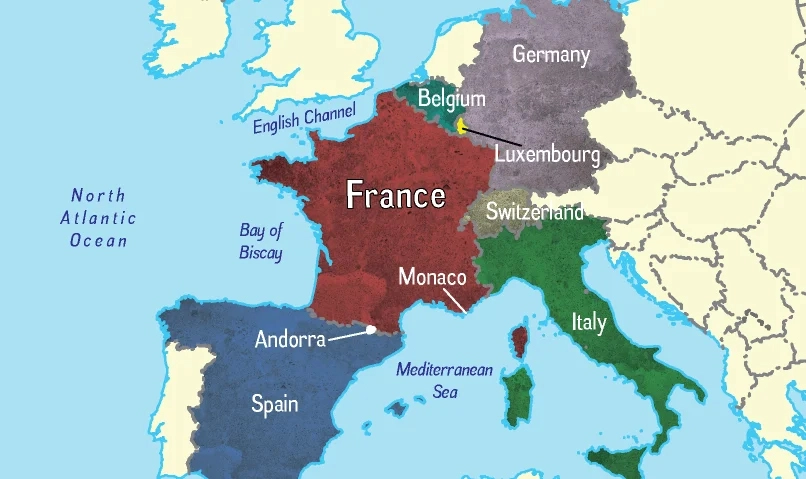
The Indian Air Force (IAF) is participating in the 8th edition of the bilateral air exercise ‘Garuda 25’ with the French Air and Space Force (FASF) at Mont-de-Marsan, France, from 16th to 27th November 2025.
- About: First held in 2003, Garuda is one of India’s longest-running air exercises with a Western nation. It reflects deepening defence and strategic ties under the India–France Strategic Partnership (established in 1998).
- It is held alternately in India and France to promote operational interaction, mutual learning, and enhanced interoperability between the two Air Forces.
- Participation: The IAF has deployed six Su-30MKI fighter jets, supported by IL-78 refuellers and C-17 Globemasters, to operate alongside French Rafale and other multirole fighters in complex simulated air combat missions.
- Focus Areas: It focuses on air-to-air combat drills, air defence missions, joint strike operations, and the refinement of tactics, techniques, and procedures (TTPs).
- Significance: This exercise promotes India-France collaborations like Rafale deal, Indo-Pacific cooperation, and joint space defence research.
- Other Exercises: Varuna (naval), and Shakti (army), Desert Knight (India, France, and UAE).
| Read More: India-France Relations |
Rapid Fire
Mahe: Indigenous Anti-submarine Warfare Vessel
India is set to commission Mahe at the Naval Dockyard, Mumbai, marking a significant step forward in indigenous naval shipbuilding and maritime defence preparedness.
- Class: Mahe, the first vessel of the Mahe-class Anti-Submarine Warfare Shallow Water Craft (ASW-SWC), built by Cochin Shipyard Limited (CSL), Kochi, under India’s Aatmanirbhar Bharat initiative.
- It features over 80% indigenous components, showcasing India’s growing naval manufacturing capability.
- Role: Designed for high-speed littoral operations, including submarine hunting and coastal patrol.
- Capabilities: Combines stealth, mobility and precision, ideal for securing India’s near-shore maritime zones.
- Symbolism: Named after the historic coastal town of Mahe on the Malabar Coast in the Union Territory of Puducherry, the ship’s crest features an Urumi, the flexible sword used in Kalaripayattu, symbolising agility, precision and lethal grace.
- Significance: It marks the arrival of a new generation of Indian shallow-water combatants, boosting coastal defence capabilities.
| Read more: Anti-Submarine Warfare Launch |



