International Relations
India-Israel Relations
Why in News?
The Indian Prime Minister made a historic State visit to Israel. During this visit, the bilateral relationship was elevated to a “Special Strategic Partnership for Peace, Innovation & Prosperity.”
- Furthermore, the first round of negotiations for the India-Israel Free Trade Agreement (FTA) was successfully concluded in New Delhi, signaling a push to deepen economic integration.
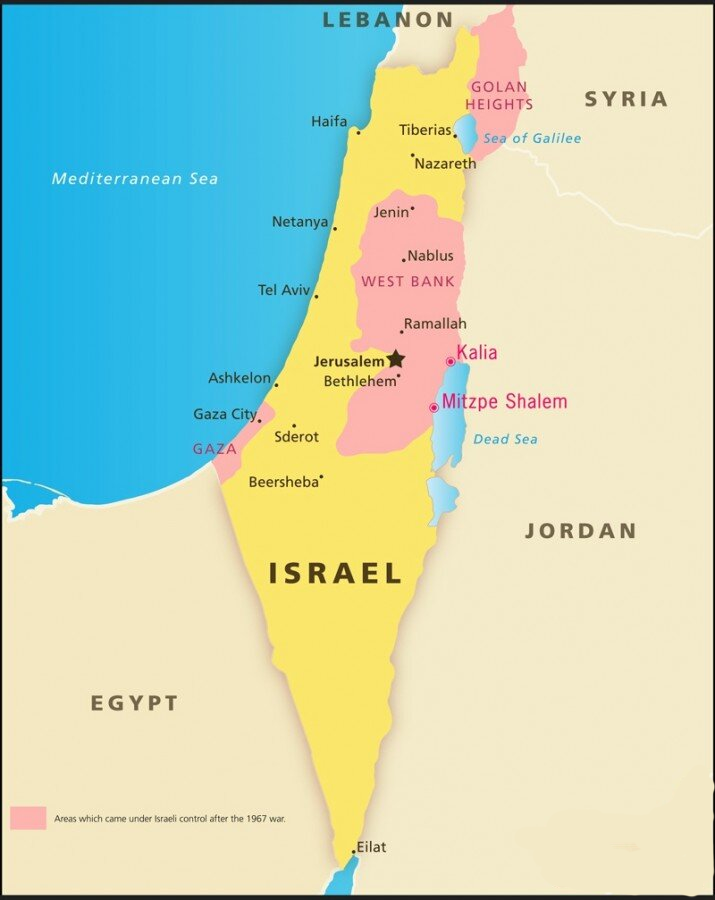
What are the Key Outcomes of the Prime Minister of India State Visit to Israel?
- Technology:
- Indo-Israel Cyber Centre of Excellence (CoE): A Letter of Intent (LoI) was signed to establish Indo-Israel Cyber Centre of Excellence (CoE) in India to foster digital resilience, showcase emerging tech, and build synergies between government, academia, and industry.
- Artificial Intelligence (AI): A dedicated MoU to promote ethical AI development, civilian applications, and public-private capacity building.
- Additionally, an MoU was signed to promote AI-enabled education, focusing on human-centered learning, innovative pedagogy, equitable access to AI, and the integration of AI and data literacy into the education system.
- Horizon Scanning: A Declaration of Intent (DoI) signed to collaborate on strategic foresight, risk assessment, and long-term technology planning using AI-driven tools.
- Geophysical Exploration: MoU signed to promote utilization of advanced AI and geophysical technologies for sustainable mineral exploration and data sharing.
- Critical and Emerging Technologies: Both countries agreed to elevate the Joint Commission on Science and Technology (JCM) to the Ministerial level and launched a new initiative on Critical and Emerging Technologies, to be led by the National Security Advisors of India and Israel.
- Economic Integration and Financial Cooperation
- UPI Integration : A landmark MoU to enable cross-border remittances between India and Israel utilizing India's indigenous Unified Payments Interface (UPI).
- Financial Services Cooperation: MoU between India's IFSCA (International Financial Services Centres Authority) and the Israel Securities Authority (ISA) to share best practices in fintech, regtech, and regulatory frameworks.
- Commercial Arbitration: Agreement between the Indian Council of Arbitration (ICA) and the Israeli Institute of Commercial Arbitration (IICA) to strengthen alternative dispute resolution mechanisms.
- Labour Mobility and Employment: In a major boost to India's demographic dividend, three separate Implementation Protocols on Labour Mobility were signed, allowing regulated channels for Indian workers in Israel across:
- Commerce and Services: Retail, logistics, hospitality, cleaning, and warehousing.
- Manufacturing: Textiles, electronics, chemicals, plastics, metals, and food processing.
- Restaurants: Recruitment for cafés, restaurants, and food sales businesses.
- Agriculture and Allied Sectors:
- India-Israel Innovation Centre for Agriculture (IINCA): MoU signed between ICAR and MASHAV for the India–Israel IINCA to advance precision farming, irrigation technologies, pest management, and farmer capacity building.
- India announced the creation of “Villages of Excellence” to further deepen agricultural cooperation between the two countries.
- Fisheries and Aquaculture: Cooperation on sustainable, tech-driven practices including disease management, mariculture, and seaweed R&D through a new Centre of Excellence.
- India-Israel Innovation Centre for Agriculture (IINCA): MoU signed between ICAR and MASHAV for the India–Israel IINCA to advance precision farming, irrigation technologies, pest management, and farmer capacity building.
- Culture, Heritage:
- National Maritime Heritage Complex (NMHC), Lothal: Israel will collaborate with India to develop NMHC in Gujarat, celebrating shared maritime history through exhibitions and research.
- Academic Exchange: An MoU between Nalanda University and the Hebrew University of Jerusalem (HUJI) for faculty/student exchange in fields like Buddhist studies, mathematics, archaeology, and international relations.
How have India-Israel Relations Evolved?
- Early Years: India officially recognized Israel in 1950 but established full diplomatic relations only in 1992, largely due to Cold War alignments and India's strong traditional support for the Palestinian cause.
- De-hyphenation Policy: In 2017, the Indian PM’s first-ever visit to Israel marked a formal shift to a "de-hyphenation" policy. This allowed India to treat its relationship with Israel independently of its stance on Palestine.
- Current Status (2026): The relationship has transformed from a distant, buyer-seller dynamic into a deep strategic, technological, and defence partnership.
- It is increasingly shaped by minilateral frameworks like I2U2 (India, Israel, USA, UAE) and the strategic India-Middle East-Europe Economic Corridor (IMEC).
- Economic & Commercial Relations: Since 1992, India–Israel trade has grown from USD 200 million to USD 3.75 billion (FY 2024–25) despite regional disruptions.
- India is Israel’s second-largest country partner in Asia for merchandise trade.
- India exports pearls and precious stones, diesel, chemicals, machinery, textiles, and agricultural products, while imports include diamonds, fertilizers, petroleum products, machinery, and defence equipment.
- India’s cumulative Overseas Direct Investment (ODI) to Israel stood at USD 443 million (2000–2025), while Israeli Foreign Direct Investment (FDI) in India reached USD 334.2 million (2000–2024), reflecting steady bilateral investment flows.
- Innovation & Technology: Initiatives like the India-Israel Industrial R&D and Innovation Fund (I4F) (2023–2027) aim to foster joint research and technological advancements.
- Defence Cooperation: Defence ties include naval port calls and participation in exercises such as Blue Flag.
- India is one of the largest importers of Israeli defence equipment, and the two countries have co-developed the Barak-8 missile system. The Indian Navy also conducts regular port calls at Haifa, Israel.
- Agriculture Cooperation: India hosts 43 Indo-Israel Centres of Excellence (CoE), which are high-tech, intensive agricultural hubs established to facilitate the transfer of Israeli agri-technologies adapted to local conditions.
- Water Cooperation: The 2016 MoU on Water Resources drives joint initiatives in conservation, irrigation reforms, and integrated water management.
- Evacuation Operations
- Operation Ajay (2023): Evacuated over 1,300 Indians after Hamas attacks.
- Operation Sindhu (2025): Evacuated around 818 Indians during Israel–Iran conflict via Jordan and Egypt.
What is the Significance of India-Israel Relations?
For India
- Strengthens Defence Preparedness: Cooperation with Israel provides India access to advanced military technologies such as Phalcon AWACS (airborne warning and control systems) and Heron, Searcher-II and Harop drones and Spyder quick-reaction anti-aircraft missile systems and electronic warfare tools, helping bridge capability gaps along hostile borders.
- Promotes Defence Indigenisation: Joint development projects like the Barak-8 missile system mark India’s transition from a buyer to a co-developer, supporting Atmanirbhar Bharat in defence manufacturing.
- Enhances Water Security: Israeli expertise in desalination, drip irrigation, and wastewater recycling offers sustainable solutions for India’s water-scarce regions, especially in western and peninsular states.
- Supports West Asia Balancing Strategy: Strong ties with Israel, alongside robust relations with Gulf countries and Iran, demonstrate India’s strategic autonomy and multi-alignment in West Asia.
- Enhances Connectivity And Geo-Economic Influence: Participation in initiatives like IMEC and I2U2 strengthens India’s access to European markets and positions it as a key player in emerging trade corridors.
- India reaffirms that the peace and stability in West Asia are directly linked to India’s security, energy interests, and diaspora welfare.
For Israel
- Expands Strategic Presence In Asia: Partnership with India strengthens Israel’s diplomatic outreach to the Global South and enhances its geopolitical relevance beyond Western allies.
- Ensures Stability For Defence Industry: India’s position as a major defence partner provides Israel with a reliable market and opportunities for joint production and innovation.
- Addresses Labour Shortages: Indian workers contribute to Israel’s construction, caregiving, and service sectors, supporting economic stability and infrastructure growth.
What are the Challenges in India-Israel Relations?
- The Iran Dilemma: Israel perceives Iran as an existential threat. Conversely, India views Iran as a crucial strategic partner for energy security and regional connectivity, most notably through the Chabahar Port, which provides India access to Afghanistan and Central Asia bypassing Pakistan.
- The Palestinian Stance: India historically and officially supports a two-state solution for the Israel-Palestine conflict.
- Sustaining the "de-hyphenation" policy, becomes increasingly difficult during escalations in the Middle East.
- The China Factor: China remains Israel's largest trading partner in Asia. Past instances of heavy Chinese investment in Israeli infrastructure and technology sectors have raised security sensitivities for India, requiring careful diplomatic navigation to ensure shared defense technologies remain secure.
- Intellectual Property Rights Concerns: Israel is a high-technology export economy. Israeli technology firms often share concerns with other Western nations regarding India's relatively lenient Intellectual Property Rights regime, which creates friction in the transfer of sensitive software, digital innovations, and agricultural technologies.
- Israel's extreme reluctance to transfer source codes and deep technical know-how directly bottlenecks India’s "Make in India" defense indigenization goals.
- Risk to Megaprojects: Ambitious minilateral connectivity projects, such as the IMEC, aim to utilize Israeli infrastructure (like the Port of Haifa) to connect Indian goods to European markets.
- However, the escalating military conflicts and shadow wars in the region severely threaten the viability and physical security of these multi-billion-dollar infrastructure networks.
What Measures can Strengthen India-Israel Relations?
- Institutionalising Minilateral Cooperation: Strengthen I2U2 to finance renewable energy and food security corridors.
- Develop a maritime security framework with joint naval exercises to protect IMEC and key ports like Haifa.
- Shift To Defence Co-Production: Move from buyer–seller model to joint R&D and co-owned defence IP in UAVs and electronic warfare.
- Use India’s manufacturing scale to export jointly produced defence systems to Africa and Southeast Asia.
- Implement Innovation And Labour Agreements: Fast-track UPI linkage to reduce remittance costs and boost business transactions. Operationalise the Cyber Centre of Excellence for capacity building and digital security.
- Diversify Trade And Technology Cooperation: Conclude the Free Trade Agreement to expand trade beyond diamonds and chemicals.
- Promote Israeli participation in India’s semiconductor ecosystem and green technologies.
- Strengthen Academic And People-Level Engagement: Expand university partnerships and joint research in AI, desalination, and arid agriculture.
- Promote Track 1.5 and Track 2 diplomacy to sustain ties beyond geopolitical fluctuations.
Conclusion
The 2026 India–Israel agreements reflect a shift from sectoral cooperation to a comprehensive, future-oriented partnership. By integrating technology, sustainability, mobility, and cultural ties, the two nations are building a resilient framework that supports innovation-driven growth and strengthens their strategic alignment in an evolving global order.
|
Drishti Mains Question: Q. “India–Israel relations have evolved from transactional defence ties to a comprehensive strategic partnership.” Examine this transformation |
Frequently Asked Questions (FAQs)
1. What is the significance of the Indo–Israel Cyber Centre of Excellence?
It aims to enhance digital resilience, cybersecurity capacity building, and collaboration among government, academia, and industry in emerging technologies.
2. How will UPI integration with Israel benefit bilateral relations?
UPI linkage will enable low-cost cross-border remittances, boost fintech cooperation, and facilitate seamless business transactions.
3. What is the India–Israel Innovation Centre for Agriculture (IINCA)?
A joint centre by ICAR and MASHAV to promote precision farming, irrigation technologies, pest management, and farmer capacity building.
4. Why is the India–Israel FTA important?
It aims to diversify trade beyond diamonds and chemicals, expand market access, and strengthen economic integration.
5. What is the de-hyphenation policy in India–Israel relations?
It refers to India treating its relations with Israel independently of its stance on Palestine, enabling deeper strategic cooperation.
UPSC Civil Services Examination, Previous Year Questions (PYQs)
Prelims
Q. The term “two-state solution” is sometimes mentioned in the news in the context of the affairs of (2018)
(a) China
(b) Israel
(c) Iraq
(d) Yemen
Ans: (b)
Mains
Q. “India’s relations with Israel have, of late, acquired a depth and diversity, which cannot be rolled back.” Discuss (2018)


Economy
Sustainable Tourism Push in Budget 2026-27
For Prelims: Union Budget 2026-27, Buddhist Circuit, Swadesh Darshan Scheme, Eastern Ghats, Western Ghats, Turtle trails, Pulicat Lake, Global Big Cat Summit, Lothal, Dholavira, Swadesh Darshan 2.0, PRASHAD, AYUSH, UDAN Scheme, Dekho Apna Desh.
For Mains: New initiatives announced for tourism development in Union Budget 2026-27, Challenges associated with tourism development in India and way forward.
Why in News?
Tourism has emerged as a focal point in the Union Budget 2026-27, with the government unveiling a comprehensive set of measures aimed at positioning the sector as a strategic growth driver for the Indian economy.
- The tourism sector accounts for 5.22% of India's GDP (total impact) with a direct share of 2.72%, while supporting an impressive 13.34% of total employment, according to the India Tourism Data Compendium 2025 by the Ministry of Tourism.
Summary
- Budget 2026-27 boosts tourism with Buddhist circuits, eco-trails, Global Big Cat Summit, National Institute of Hospitality, guide upskilling, heritage sites, medical hubs, and Purvodaya development.
- The sector faces infrastructure gaps, overcrowding (e.g., 1.1 crore tourists in Goa), safety, hygiene, visa issues, and low foreign arrivals (1 crore vs Thailand's 3.5 crore).
- Focus on infrastructure (UDAN), Incredible India 2.0, tourism-ready certification, agri-tourism, community participation, and green certification.
What New Initiatives have been Announced for Tourism Development in Union Budget 2026-27?
- Development of Buddhist Circuits in Northeast Region: A dedicated scheme was announced to develop Buddhist circuits across Northeast India (Arunachal Pradesh, Assam, Sikkim, Manipur, Mizoram, Tripura), including pilgrimage interpretation centres, improved connectivity, pilgrim amenities, and heritage infrastructure.
- This initiative builds on the experience of the Swadesh Darshan Scheme (launched 2014-15), under which 76 projects were sanctioned and 75 completed.
- Eco-Trails and Sustainable Tourism Initiatives: The Budget has proposed the development of ecologically sustainable mountain and nature trails in Himachal Pradesh, Uttarakhand, Jammu & Kashmir, Araku Valley in the Eastern Ghats, and Podhigai Malai in the Western Ghats.
- Turtle trails along key nesting sites in the coastal areas of Odisha, Karnataka and Kerala, and bird-watching trails along Pulicat Lake in Andhra Pradesh have also been announced.
- Global Big Cat Summit 2026: India will host the first-ever Global Big Cat Summit in 2026, inviting heads and ministers from 95 range countries to deliberate on conservation, habitat protection, scientific collaboration, and sustainable wildlife tourism.
- This initiative reflects the Government's intent to elevate India's role in eco-tourism and international wildlife cooperation. India is home to five of the world's seven big cat species, i.e., tiger, lion, leopard, snow leopard and cheetah.
- National Institute of Hospitality: The National Council for Hotel Management and Catering Technology, Noida (Uttar Pradesh), will be upgraded to a National Institute of Hospitality, aimed at providing high-quality professional education. It will also function as a bridge between academia, industry and the Government, addressing skill gaps and aligning academic training with industry requirements.
- Tourist Guide Upskilling Programme: A pilot scheme for upskilling 10,000 tourist guides across 20 iconic destinations has been announced. It will follow a 12-week hybrid training model combining classroom instruction, field training, and digital modules.
- National Destination Digital Knowledge Grid: A digital platform will be created to document cultural, spiritual, and heritage sites across India, providing resources for researchers, content creators, historians, and tourism stakeholders.
- Experiential Cultural Destinations: The Budget proposed development of 15 archaeological sites into vibrant experiential cultural destinations, including Lothal, Dholavira, Rakhigarhi, Sarnath, Hastinapur, and Leh Palace. It will complement existing schemes like Swadesh Darshan 2.0 and PRASHAD.
- Regional Medical Hubs: A Scheme to Support States in establishing five Regional Medical Hubs has been introduced, aimed at promoting India as a global destination for medical and wellness tourism. The hubs will integrate advanced healthcare services, AYUSH centres, and medical value tourism facilitation centres.
- Tourism Development in Purvodaya States: The Budget proposes the creation of five tourism destinations, one in each Purvodaya state—Bihar, Jharkhand, West Bengal, Odisha and Andhra Pradesh—under an integrated framework including the East Coast Industrial Corridor with a node at Durgapur (West Bengal).
- Additionally, provisions for 4,000 electric buses were announced to support improved connectivity, cleaner transport, and greater accessibility across these regions.
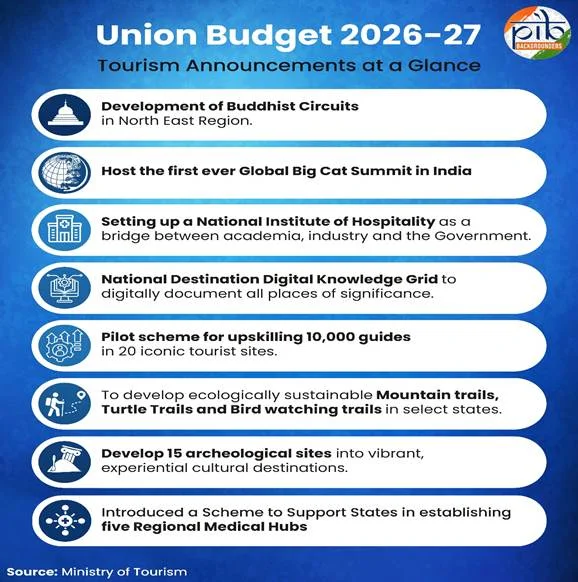
Initiatives Related to Tourism in India
What Challenges are Associated with Tourism Development in India?
- Inadequate Infrastructure: Deficient transportation networks and poor last-mile connectivity persist as major barriers. In 2025, Vyas Valley (Uttarakhand) saw tourist footfall surge from 200 to 30,000 over a decade, but local infrastructure failed to keep pace, causing capacity strains and degraded visitor experiences.
- Environmental Degradation: Overcrowding in fragile regions leads to pollution, waste accumulation, and biodiversity loss.
- From 68.9 lakh domestic tourists in 2017, Goa's total arrivals surged to nearly 1.1 crore by 2025, leading to congested roads, garbage heaps, beach erosion, and calls for carrying capacity limits.
- The 2025 Char Dham Yatra attracted over four million pilgrims, exacerbating environmental pressures in hill stations.
- Safety and Security Concerns: Persistent safety issues, particularly for women and solo travellers, continue to deter visitors. Travel advisories from the US and UK have been issued, while incidents involving foreign tourists reinforce negative perceptions, pushing travellers toward Southeast Asian competitors.
- Hygiene and Service Quality: Inconsistent sanitation standards undermine visitor satisfaction, with international travellers often confining themselves to luxury accommodations, limiting economic benefits to local communities.
- Visa and Regulatory Complexities: Despite e-visa expansion, processing delays persist. Overseas promotion funding was slashed from Rs 33 crore to Rs 3.07 crore in Budget 2025-26, hampering efforts to compete with visa-on-arrival destinations like Thailand and Vietnam.
- Global Competitiveness Gap: India attracted only 10 million foreign tourists in 2024, versus Thailand's 35 million, Malaysia's 25 million, and Vietnam's 17 million. In 2023, Indians spent an estimated USD 33 billion on overseas holidays, citing better value, services, and transparency abroad.
What Steps are Needed to Promote Tourism Development in India?
- Enhance Infrastructure and Connectivity: Prioritize investment in transportation networks including high-speed rail, multimodal corridors, and regional airports under UDAN scheme to ensure equitable dispersal of tourism beyond major metros.
- Revamped "Incredible India 2.0" Campaign: Move beyond generic promotion with data-driven, hyper-personalized global marketing targeting specific demographics like millennials, luxury travelers, and adventure enthusiasts.
- Expand domestic promotion via Dekho Apna Desh to encourage exploration of lesser-known sites.
- Establish "Tourism-Ready" Certification for Destinations: Develop mandatory accreditation program for tourist destinations based on benchmarks for cleanliness, safety, accessibility, and sustainability, creating healthy competition among states to improve standards.
- Integrate Tourism with Rural Development: Promote agri-tourism and rural tourism by connecting working farms and rural communities with urban and international tourists, providing authentic cultural experiences and generating additional income for farmers.
- Integrate local communities under programmes like Paryatan Mitra/Paryatan Didi, ensuring equitable benefits reach rural, tribal, and underserved regions.
- Incentivize Green Certification for the Hospitality Industry: Launch national program to encourage hotels, resorts, and homestays adopting sustainable practices like water conservation, waste reduction, and renewable energy use. Provide marketing support to "Green Key" certified properties to attract environmentally conscious travelers.
Conclusion
The Union Budget 2026-27 presents a transformative vision for Indian tourism through targeted initiatives like Buddhist circuits, eco-trails, Global Big Cat Summit, and hospitality upgrades. However, addressing infrastructure gaps, environmental concerns, and global competitiveness challenges through sustainable practices and community participation will determine the sector's success in becoming a true economic growth driver.
|
Drishti Mains Question Q. Examine the major challenges confronting the Indian tourism sector. Suggest a comprehensive framework for sustainable tourism development in India |
Frequently Asked Questions (FAQs)
1. What is the economic contribution of tourism to India’s economy?
Tourism contributes 5.22% to GDP (total impact) and supports 13.34% of total employment, as per India Tourism Data Compendium 2025.
2. Which archaeological sites are being developed as experiential cultural destinations?
The Budget proposed development of 15 archaeological sites including Lothal, Dholavira, Rakhigarhi, Sarnath, and Hastinapur with curated walkways, interpretation centres, and heritage infrastructure.
3. What is the National Destination Digital Knowledge Grid?
It is a digital platform to document cultural, spiritual, and heritage sites across India, providing resources for researchers, content creators, and tourism stakeholders to support data-driven decision-making.
UPSC Civil Services Examination, Previous Year Question (PYQ)
Mains
Q.1 How can the mountain ecosystem be restored from the negative impact of development initiatives and tourism? (2019)
Q.2 The states of Jammu and Kashmir, Himachal Pradesh and Uttarakhand are reaching the limits of their ecological carrying capacity due to tourism. Critically evaluate. (2015)


Facts for UPSC Mains
State of India’s Environment 2026
Why in News?
The State of India’s Environment (SOE) 2026 report, released by the Centre for Science and Environment (CSE) and Down To Earth, warns that multiple planetary boundaries are being breached due to human activities, while ecological degradation is intensifying human–tiger conflicts across India.
What are the Key Highlights of the State of India’s Environment (SOE) 2026 Report?
- Planetary Boundaries Crisis: The SOE 2026 report warns that 7 of the nine planetary boundaries have been breached, with ocean acidification emerging as the seventh.
- Breached boundaries include Climate change, Biosphere integrity, Land system change, Freshwater depletion, Biogeochemical flows, Novel entities, and Ocean acidification.
- Ocean acidification emerging as the seventh, ocean acidity has increased by 30–40% since the industrial era, threatening marine ecosystems.
- Climate Crisis Escalation: The report highlights that the world is close to breaching the 1.5°C global warming threshold, signalling irreversible climate impacts.
- Climate disruptions are arriving earlier than predicted, pushing ecosystems like coral reefs and the Amazon rainforest toward critical tipping points.
- Biodiversity & Forest Decline: Global forest cover has fallen to 59%, far below the 75% safe threshold, while species extinction rates exceed 100 per million species years (ten times the safe limit).
- Habitat degradation and ecosystem imbalance are accelerating biodiversity loss.
- Freshwater & Pollution Threats: Freshwater reserves are under severe stress due to overuse and climate change.
- The proliferation of plastics, synthetic chemicals, and other novel entities poses long-term ecological and health risks, highlighting the growing challenge of pollution.
- Rising Human–Tiger Conflict: The report notes that habitat loss, prey depletion, and increasing human proximity to forests are altering tiger behaviour and increasing encounters.
- The invasive plant Lantana camara now occupies nearly 50% of forest and scrublands, suppressing native grasses and reducing prey for tigers. This forces tigers to prey on cattle, increasing human–tiger interactions and conflict.
Recommendations
- Institutional Integrity: Strengthening the National Green Tribunal (NGT) and environmental clearing houses to prioritize ecological substance over procedural paperwork.
- Sovereign Climate Action: Integrating planetary boundaries into national accounting and shifting toward a technology-led, full-stack decarbonization.
- Coexistence Models: Moving toward landscape-scale governance that treats local communities as primary stakeholders in conservation rather than obstacles.
Planetary Boundaries
- About: The Planetary Boundaries framework defines the safe limits within which humanity can operate without destabilising Earth’s life-support systems.
- First proposed in 2009 by scientists led by Johan Rockström and updated in 2023, it identifies nine critical Earth system processes that regulate planetary stability.
- Crossing these limits increases the risk of abrupt, irreversible environmental changes that threaten ecosystems, economies, and human survival.
- These boundaries are interconnected, meaning disruption in one system can trigger cascading impacts across others.
- They help policymakers and scientists assess whether human activities are pushing Earth beyond its safe operating space.
- Status of the Nine Planetary Boundaries
- Climate Change (Transgressed): Rising greenhouse gas concentrations trap heat, altering global temperatures and climate patterns. Increasing CO₂ levels have pushed this boundary beyond safe limits.
- Biosphere Integrity (Biodiversity Loss) (Transgressed): Accelerated species extinction and ecosystem degradation undermine Earth’s ecological balance and resilience.
- Land System Change (Transgressed): Deforestation, agriculture, and urbanisation have reduced global forest cover below safe levels, weakening carbon sequestration and biodiversity.
- Freshwater Change (Transgressed): Human disruption of rivers, lakes, and soil moisture cycles threatens water security, ecosystems, and climate regulation.
- Biogeochemical Flows (Transgressed): Excess nitrogen and phosphorus from fertilizers disrupt nutrient cycles, causing eutrophication and ecosystem imbalance.
- Novel Entities (Transgressed): Plastics, synthetic chemicals, and genetically modified organisms are entering ecosystems without adequate safety assessment.
- Ocean Acidification (Recently Transgressed): Oceans have become 30–40% more acidic since the industrial era, harming corals and shell-forming organisms and weakening carbon absorption.
- Atmospheric Aerosol Loading (Within Safe Limits (But Risky)): Airborne particles affect climate and monsoon patterns; currently within limits but regionally disruptive.
- Stratospheric Ozone Depletion (Within Safe Limits): Global action under the Montreal Protocol has helped ozone recovery, making this a success story in environmental governance.
Conclusion
The SOE 2026 report serves as a stark planetary health check, reinforcing the ultimate truth that "a bad environment can never be good economics." As India breaches seven of the nine planetary boundaries To achieve the vision of Viksit Bharat @ 2047, India must transition from a model of "reactive compensation" to one of "proactive restoration."
|
Drishti Mains Question: Q. Discuss the concept of Planetary Boundaries framework as a tool for environmental governance |
Frequently Asked Questions (FAQs)
1. What are Planetary Boundaries?
Planetary Boundaries define safe ecological limits within which humanity can operate without destabilizing Earth’s life-support systems; crossing them risks irreversible environmental change.
2. How many planetary boundaries have been breached as per SOE 2026?
Seven of nine boundaries, including climate change, biodiversity loss, land-system change, freshwater depletion, biogeochemical flows, novel entities, and ocean acidification.
3. Why is ocean acidification a major concern?
Ocean acidity has increased by 30–40% since the industrial era, threatening coral reefs, marine biodiversity, and the ocean’s carbon absorption capacity.
4. What is the link between Lantana camara and human–tiger conflict?
The invasive plant suppresses native grasses, reduces prey availability, and forces tigers to prey on livestock, increasing human–tiger encounters.
5. What institutional reforms does the SOE 2026 report recommend?
Strengthening the National Green Tribunal, integrating planetary boundaries into national accounting, and promoting community-led landscape governance.
UPSC Civil Services Examination, Previous Year Questions (PYQs)
Mains
Q. Discuss global warming and mention its effects on the global climate. Explain the control measures to bring down the level of greenhouse gases that cause global warming, in the light of the Kyoto Protocol, 1997. (2022)


Important Facts For Prelims
Rail Tech Policy and e-RCT Digitization
Why in News?
The Ministry of Railways unveiled two major reforms under its "52 Reforms in 52 Weeks" initiative—the RailTech Policy and the Railway Claims Tribunal (e-RCT) digitization—aimed at enhancing transparency and improving access to justice.
What is Rail Tech Policy and e-RCT Digitization?
Rail Tech Policy
- About: It is a dedicated, high-tech, round-the-clock digital single-window platform that enables end-to-end digital submission and processing of proposals. Innovators can submit detailed proposals in a simplified single-stage process, replacing outdated multi-stage vendor selection mechanisms.
- Rail Tech Portal: A dedicated Rail Tech Portal will be established for innovators, startups, industry, and institutions to promote innovation in Railways.
- Funding Boost: The policy increases the scale-up grant more than three times and doubles the maximum grant for prototype development and trials. The Railways will support up to 50% of development funding for viable solutions.
- Key Innovation Areas: The policy targets critical operational challenges, including:
- AI-based Elephant Intrusion Detection System (EIDS)
- AI-based fire detection in coaches
- Drone-based broken rail detection
- Obstruction detection in foggy environments
- AI-based coach cleaning monitoring
- Sensor-based load calculation on parcel vans
- Scalability: Successful innovations will be supported with substantial long-term orders to enable scaling of the solution across the railway network.
Railway Claims Tribunal (e-RCT) Digitization
- About e-RCT Digitization: It introduces end-to-end computerization and digitization of the Railway Claims Tribunal (RCT), making claim filing, processing, and adjudication faster and transparent.
- Core Modules of e-RCT: The platform is built on three key components:
- E-Filing: 24x7 online filing with instant acknowledgement through SMS and email.
- Case Information System (CIS): Centralized database for real-time case tracking from filing to final disposal.
- Document Management System (DMS): Digital storage of pleadings, orders, and judgements with digitally signed records.
- Legal Basis of e-RCT: The Railway Claims Tribunal is a quasi-judicial body constituted under the Railway Claims Tribunal Act, 1987 to adjudicate claims related to death/injury in accidents, untoward incidents, loss of goods, and refund of fares. It has 23 benches across India (Principal Bench at Delhi).
- Timeline and Expansion: All 23 RCT benches across India are targeted to be fully digitized within the next 12 months. If successful, this model could be extended to other tribunals like the Central Administrative Tribunal.
- Citizen-Centric Benefits: The new system allows aggrieved passengers to file claims electronically from anywhere in the country, eliminating confusion over jurisdictional benches, especially in cross-state travel incidents.
- It ensures faster case processing, reduced adjournments, real-time status updates, online access to orders, and significant cost savings for litigants by reducing travel, printing, and courier expenses.
52 Reforms in 52 Weeks Initiative
- About: Launched in early 2026 it is an ambitious, time-bound program committing Indian Railways to implement one major structural reform per week throughout the calendar year 2026, aiming for a comprehensive and transparent transformation of the national transporter.
- Vision Alignment: The initiative aligns with broader "Reforms Express" vision and builds upon previous reforms implemented in the railways over the preceding decade.
Frequently Asked Questions (FAQs)
1. What is the "52 Reforms in 52 Weeks" initiative?
It is a time-bound program launched in 2026 by the Ministry of Railways to implement one major structural reform per week throughout the year, aiming for comprehensive modernization.
2. What is the RailTech Policy and its primary objective?
It is a digital single-window platform (Reform Number Three) designed to engage innovators and startups by simplifying the proposal submission process and providing enhanced funding for technological solutions in railways.
3. What are the three core modules of the e-RCT system?
E-Filing, Case Information System (CIS), and Document Management System (DMS) enabling end-to-end digital case management.
UPSC Civil Services Examination, Previous Year Question (PYQ)
Q. With reference to bio-toilets used by the Indian Railways, consider the following statements: (2015)
- The decomposition of human waste in the bio toilets is initiated by a fungal inoculum.
- Ammonia and water vapour are the only end products in this decomposition which are released into the atmosphere.
Which of the statements given above is/are correct?
(a) 1 only
(b) 2 only
(c) Both 1 and 2
(d) Neither 1 nor 2
Ans: (d)


Rapid Fire
Death Anniversary of VD Savarkar
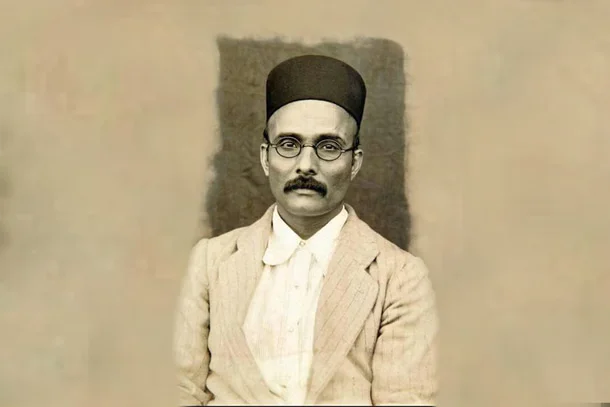
The Prime Minister paid tributes to Vinayak Damodar Savarkar (Veer Savarkar) on his 60th death anniversary (26th February, 2026). He passed away in Mumbai on 26th February, 1966.
Vinayak Damodar Savarkar
- About: He was a revolutionary nationalist, political ideologue, and social reformer, and influenced by leaders like Bal Gangadhar Tilak, Lala Lajpat Rai, and Bipin Chandra Pal. He was also known as Swatantryaveer Savarkar.
- Revolutionary Nationalism: Founded the Mitra Mela in 1899, which later evolved into the Abhinav Bharat Society in 1904. He also established the Free India Society in London (1906). He was closely associated with India House (founded by Shyamji Krishna Varma in London), a hub for revolutionary activities.
- Trial and Kala Pani: He was arrested for conspiring to murder the Nashik collector (Nasik Conspiracy Case, 1910). He famously attempted to escape the British while being transported via Marseilles (France) but was recaptured.
- After trial, he was sentenced to 50 years' imprisonment and deported to the infamous Cellular Jail (Kala Pani) in the Andaman and Nicobar Islands in 1911. He was eventually released in 1924 after writing multiple mercy petitions (1911–1920).
- Political Career: Served as the President of the Hindu Mahasabha (1937–1943). He opposed the Quit India Movement (1942), calling it impractical. He also engaged in discussions on the Cripps Mission (1942) and Wavell Plan (1945).
- Social Reform: He fought caste discrimination by promoting inter-caste marriage, establishing the Patit-Pavan Mandir in Ratnagiri in 1931 for Dalit temple entry, and supporting the right of sea-crossing.
- Literary Contributions: He authored the influential book The History of the First War of Indian Independence (1909), which redefined the 1857 uprising as a unified nationalist struggle, and he sometimes used the pen-name "Mahratta" for his writings (e.g., book Essentials of Hindutva).
- In 1923, while interned in Ratnagiri, he wrote "Hindutva: Who is a Hindu?", defining India as a Hindu Rashtra based on cultural and civilizational identity.
- Legacy: In a symbolic recognition, Port Blair Airport was renamed Veer Savarkar International Airport (2002).
| Read More: Veer Savarkar Jayanti |


Rapid Fire
CERT-In Framework for Space Cyber Security
The Indian Computer Emergency Response Team (CERT-In), in collaboration with SatCom Industry Association (SIA-India), has released a comprehensive advisory framework for Space Cyber Security to protect India's space assets from evolving cyber threats.
- The framework aims to foster a culture of resilience, accountability, and proactive risk management, promoting "secure-by-design" architectures in India's expanding space ecosystem.
- The guidelines are advisory in nature and apply to all stakeholders, including government agencies, satellite service providers, ground station operators, vendors, and private space enterprises.
Key Provisions of the Framework
- Threat Assessment: Identifies specific risks to space systems, such as signal jamming, spoofing, unauthorized command uplink, ground station compromise, and firmware manipulation.
- Segment-wise Security Controls: Mandates security measures across the space segment, ground infrastructure, communication links, and user terminals, covering authentication, encryption, access control, and intrusion detection.
- Incident Response: Outlines mandates for incident detection, response, and reporting in alignment with CERT-In Directions.
- Governance: Emphasizes the appointment of a Chief Information Security Officer (CISO) within organizations operating SatCom systems.
- Supply Chain Security: Includes provisions for risk assessment, supply chain security, and equipment certification.
- Alignment with Global Standards: The framework aligns with international cybersecurity frameworks, including those from the International Telecommunication Union (ITU), Consultative Committee for Space Data Systems (CCSDS), National Institute of Standards and Technology (NIST), SPACE-Shield, TREKS (Targeting, Reconnaissance, & Exploitation Kill Chain for Space) and SPARTA (Space Attack Research and Tactic Analysis).
CERT-In
- Designated under Section 70B of the Information Technology Act, 2000, CERT-In is India's national agency for responding to cyber threats like hacking and phishing.
- Operating under the Ministry of Electronics and Information Technology since 2004, it runs a 24×7 help desk to handle cyber incidents and provides prevention and security management services.
| Read More: Indian Computer Emergency Response Team (CERT-In) |


Rapid Fire
India-Nepal MoU for Transboundary Conservation
The Union Ministry of Environment, Forest and Climate Change (India) and the Ministry of Forests and Environment (Nepal) signed an MoU to promote bilateral cooperation in forests, wildlife, environment, biodiversity conservation, and climate change.
- Landscape-Level Conservation: The MoU envisages cooperation in formulating biodiversity conservation strategies at the landscape level, with emphasis on key species including the elephant, Gangetic dolphin, rhinoceros, snow leopard, tiger, and vultures.
- Focus on Transboundary Ecosystems: Recognizing their shared ecosystems and transboundary wildlife habitats, both countries agreed to strengthen coordination, with a specific focus on restoring wildlife corridors and interlinking areas.
- E.g., Khata Corridor (linking Nepal's Bardia National Park with India's Katarniaghat Wildlife Sanctuary).
- Valmiki-Chitwan linkage (Valmiki Tiger Reserve in India (Bihar), adjacent to Chitwan National Park and Parsa Wildlife Reserve in Nepal)
- Combating Wildlife Crime: A key component of the agreement is addressing biodiversity conservation threats and combating forest and wildlife crime through strengthened capacity building of frontline staff of enforcement agencies.
- E.g., curbing poaching for Rhino horns, poaching for tiger skins, bones, claws, teeth, and other parts, poaching for elephant’s ivory (tusks), etc.
- Commitment to Multilateral Agreements: Both India and Nepal agreed to cooperate on multilateral environmental agreements and conventions as they are parties to the International Big Cat Alliance (IBCA), Convention on Biological Diversity (CBD, 1992), Convention on International Trade in Endangered Species of Wild Fauna and Flora (CITES, 1973), etc.
|
Read More: Sagarmatha Sambaad and Preserving Himalayas |