Biodiversity & Environment
Nature-based Solutions and their Importance
For Prelims: UNFCCC, Amazon Rainforest, Mangroves, Air Pollution, Biodiversity, IUCN, CBD, UNCCD, Carbon Sequestration, Wetland, Green Corridor, UNEP, Green Bonds.
For Mains: Key facts regarding nature-based solutions, their strategic importance for India, Challenges associated with their implementation and way forward.
Why in News?
Brazil's hosting of UNFCCC COP30 in Belem (inside Amazon rainforest) has brought attention to nature-based solutions (NbS) as critical instruments for tackling global climate change.
- It can serve a fundamental role in accelerating partnership for Enhancing Nature-based Solutions for an Accelerated Climate Transformation (ENACT).
Summary
- COP30 and ENACT position Nature-based Solutions at the core of climate action, linking mitigation, adaptation, and biodiversity.
- Success depends on bridging finance gaps, mainstreaming NbS in policy and corporate governance, and fostering inclusive partnerships.
What are Nature-based Solutions (NbS)?
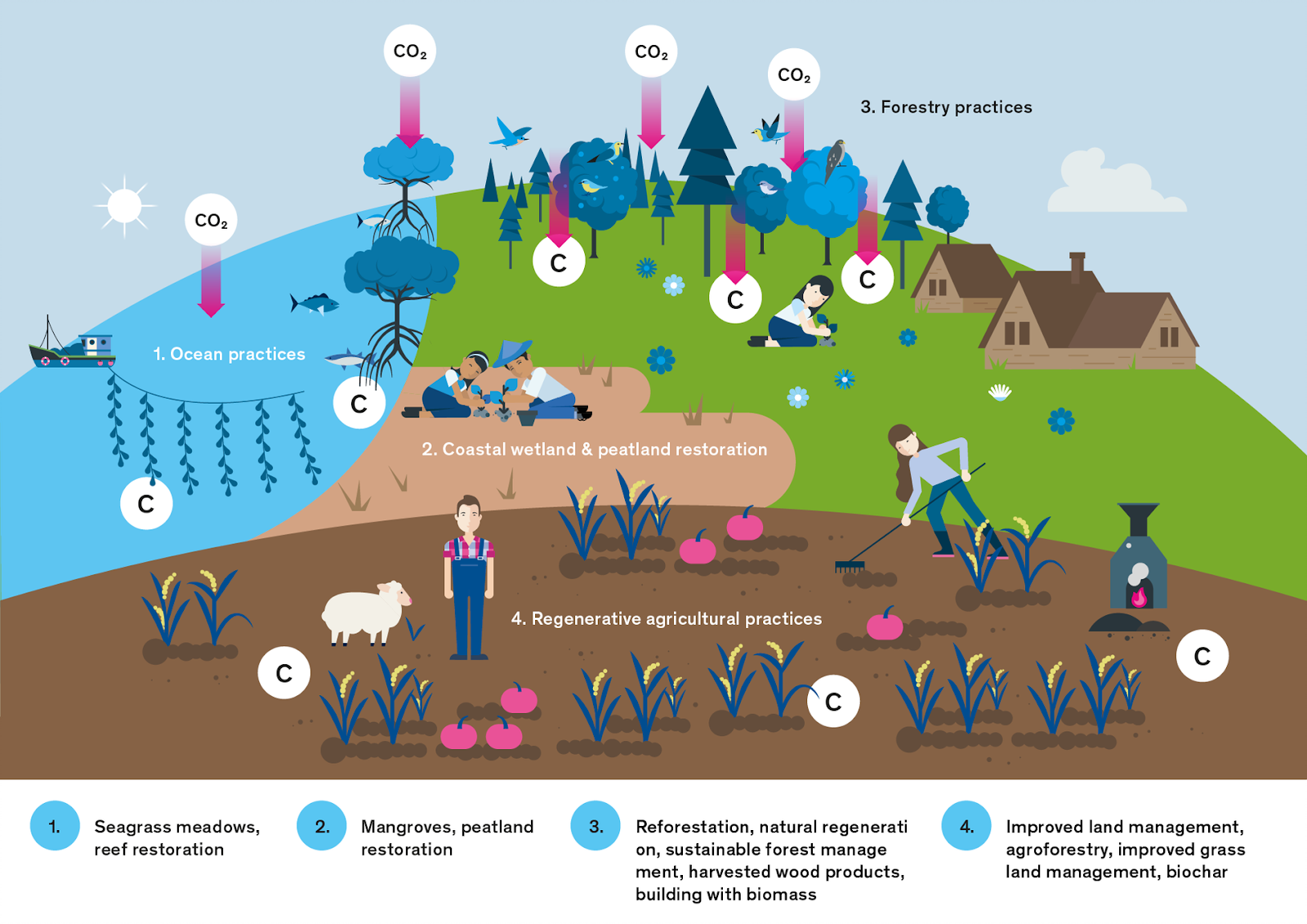
- About: NbS are actions to protect, sustainably manage, and restore natural or modified ecosystems that address societal challenges effectively and adaptively, while simultaneously providing benefits for human well-being and biodiversity.
- Restoring mangroves instead of building concrete sea walls provides natural storm surge protection, as seen when India’s Pichavaram forest (Tamil Nadu) reduced 2004 tsunami damage.
- Core Principles of NbS (as defined by the IUCN):
- Address a societal challenge (e.g., climate change, flooding, water security, food security, air pollution, urban heat).
- Provide benefits for human well-being and biodiversity.
- Be designed and implemented with the full engagement and consent of local communities and indigenous peoples.
- Promote equity and balance trade-offs between short-term needs and long-term benefits.
- Maintain biological and cultural diversity.
- Be applied at a landscape scale (not just an isolated patch).
- Be integrated into policy and planning across sectors (not a one-off project).
- Be managed adaptively and generate evidence for effectiveness.
- Key Types & Examples:
|
Ecosystem Type |
NbS Intervention |
Climate Impact |
|
Terrestrial |
Afforestation & Reforestation (e.g., Miyawaki Method in urban areas). |
Carbon sequestration and soil moisture retention. |
|
Marine/Coastal |
Mangrove Restoration (e.g., India's MISHTI Scheme). |
Coastal protection against cyclones and "Blue Carbon" storage. |
|
Agricultural |
Agroforestry & Natural Farming (e.g., ZBNF, PM Pranam). |
Improving soil carbon, reducing chemical runoff, and ensuring food security. |
|
Urban |
Blue-Green Infrastructure (e.g., Restoring urban wetlands like Ennore or Deepor Beel). |
Reducing urban flooding and cooling local temperatures. |
- Government Initiatives for Promoting NbS:
- National Mission for a Green India (GIM),
- National Mission on Sustainable Agriculture (NMSA),
- National Water Mission.
- National Afforestation Programme (NAP),
- Atal Mission for Rejuvenation and Urban Transformation (AMRUT) 2.0, Mangrove Initiative for Shoreline Habitats and Tangible Incomes (MISHTI).
- Mission Amrit Sarovar.
Enhancing Nature-based Solutions for an Accelerated Climate Transformation (ENACT)
- About: ENACT is a global partnership designed to accelerate action on climate change, land degradation, and biodiversity loss by championing and scaling up NbS.
- Governance & Origin: It was launched at UNFCCC COP27 in Sharm el-Sheikh by the Egyptian Presidency with Germany and IUCN. IUCN hosts ENACT’s secretariat and leads its implementation.
- Primary Function: Acts as a collaborative hub for both state and non-state actors to align efforts, build political support, and advocate for evidence-based NbS policies across the three Rio Conventions (UNFCCC, CBD, UNCCD).
- Quantifiable Global Goals (Outcomes):
- Human Resilience: Enhance protection for over 1 billion vulnerable people, with a dedicated focus on at least 500 million women and girls.
- Ecosystem Integrity: Secure up to 2.4 billion hectares (ha) via a combined strategy of protection (45M ha), sustainable management (2B ha), and restoration (350M ha).
- Climate Mitigation: Significantly boost global carbon sequestration by protecting, conserving, and restoring carbon-rich ecosystems across terrestrial, freshwater, and marine realms.
What is the Strategic Importance of Nature-based Solutions (NbS) for India?
- Climate Change Mitigation: Forest conservation and wetland protection provide essential carbon sequestration and water regulation in India, countering deforestation’s 12–15% contribution to emissions. Restoration efforts can create significant carbon sinks, while urban green spaces reduce temperatures by 2–4°C.
- Disaster Risk Reduction: Mangrove and floodplain restoration deliver cost-effective protection against floods and storms in India, where damages exceed USD 7.5 billion annually. These measures significantly reduce damage costs and flood volumes.
- Water Security and Quality: Riparian buffers and watershed protection filter pollutants and secure water supplies for India’s 600 million people facing water stress. They reduce flows and improve water quality effectively.
- Urban Health and Well-being: Urban green corridors improve health and connect habitats in India, where over 52 crore people reside in urban areas. They reduce pollution and stress levels significantly.
What are the Challenges in the Nature-based Solutions (NbS)?
- Critical Financing Gap: Meeting global biodiversity and climate goals requires annual investment of USD 384 billion by 2025 (UNEP), with current private sector finance for NbS critically low at ~18% of total.
- Flawed Economic Paradigm: A core challenge is treating nature as a costless input. Humanity's demand exceeds Earth's regenerative capacity by ~70%, drawing down ecological capital.
- Corporate Governance Gap: Frameworks like the Taskforce on Nature-related Financial Disclosures (TNFD) are gaining traction (700+ adopters), but biodiversity is often not a material board-level priority, revealing a disconnect between policy and strategic integration.
- Sectoral & Regional Disparities: TNFD adoption is uneven; high-impact sectors (Energy, Infrastructure) and European firms lead in integration, while Technology/IT sectors and emerging economies like India show varied commitment, often focusing on climate over broader biodiversity.
What are the Pathways to Strengthen Nature-based Solutions (NbS)?
- Close the Critical Financing Gap: Catalyze private investment via frameworks like the TNFD and innovative instruments (e.g., green bonds).
- Mainstream NbS into Policy Making: Integrate NbS into core sectoral policies (urban planning, agriculture, infrastructure). Elevate biodiversity from a voluntary concern to a material, board-level strategic priority for corporations.
- Mainstreaming "Inclusive Governance": Adopt a "Rights-based Approach" by making Gram Sabhas the primary decision-makers for NbS projects. This ensures that traditional ecological knowledge (TEK) is integrated and social safeguards are upheld.
- Urban-Rural Integration (The Landscape Approach): Move beyond "isolated patches" to Blue-Green Corridors. For example, restoring the Aravalli Green Wall to tackle desertification and Delhi’s air pollution simultaneously.
- Technology & Monitoring: Utilize the Bhuvan Portal (ISRO) and AI-driven dashboards to track the survival rates of plantations and carbon sequestration levels in real-time, ensuring accountability in schemes like MISHTI and Nagar Van Yojana.
Conclusion
"Hosting COP30 in the Amazon has placed Nature-based Solutions (NbS) at the heart of climate action. Initiatives like ENACT offer a science-backed pathway, but success depends on scaling finance, embedding NbS in governance, and fostering inclusive partnerships. As we move forward, 'Nature is not a luxury, but a vital infrastructure. Investing in NbS is an investment in our collective climate insurance.'"
|
Drishti Mains Question: Nature-based solutions are increasingly viewed as a bridge between climate mitigation, adaptation, and biodiversity conservation. Discuss with examples. |
Frequently Asked Questions (FAQs)
1. What are Nature-based Solutions (NbS)?
NbS are actions to protect, manage, and restore ecosystems to address climate change, disasters, food, and water security, while delivering biodiversity and human well-being benefits.
2. What is the ENACT Partnership?
ENACT is a global partnership launched at COP27, hosted by IUCN, to scale up NbS and align climate, biodiversity, and land-degradation actions across the Rio Conventions.
3. What are the key global targets under ENACT?
Protect 1 billion vulnerable people, secure 2.4 billion hectares of ecosystems, and enhance carbon sequestration through restoration of carbon-rich terrestrial, freshwater, and marine ecosystems.
UPSC Civil Services Examination Previous Year Question (PYQ)
Prelims
Q. With reference to the role of UN-Habitat in the United Nations programme working towards a better urban future, which of the statements is/are correct? (2017)
- UN-Habitat has been mandated by the United Nations General Assembly to promote socially and environmentally sustainable towns and cities to provide adequate shelter for all.
- Its partners are either governments or local urban authorities only.
- UN-Habitat contributes to the overall objective of the United Nations system to reduce poverty and to promote access to safe drinking water and basic sanitation.
Select the correct answer using the code given below:
(a) 1, 2 and 3
(b) 1 and 3 only
(c) 2 and 3 only
(d) 1 only
Ans: (b)
Mains
Q. The frequency of urban floods due to high intensity rainfall is increasing over the years. Discussing the reasons for urban floods, highlight the mechanisms for preparedness to reduce the risk during such events. (2016)
Q. Do government schemes for up-lifting vulnerable and backward communities by protecting required social resources for them, lead to their exclusion in establishing businesses in urban economies? (2014)


Economy
Infrastructure Bonds
For Prelims: Infrastructure Bonds, Types of Infrastructure Bonds, Infrastructure Bonds different from InvITs
For Mains: Role in infra financing; reducing ALM mismatch; deepening bond market; investor benefits and risks
Why in News?
State-run Bank of India (BoI) has raised ₹10,000 crore through infrastructure bonds, witnessing strong investor demand as bids worth over ₹15,300 crore were received against a base issue size of ₹5,000 crore.
Summary
- Infrastructure bonds are long-term debt securities issued by governments, public sector banks, or financial institutions to fund large infrastructure projects.
- They offer fixed interest payments and help banks manage long-term funding needs while supporting national development.
- While these bonds provide stable returns and portfolio diversification, they also carry risks like interest rate, liquidity, and inflation risks.
- Compared to Infrastructure Investment Trusts (InvITs), infrastructure bonds are debt instruments with fixed returns, whereas InvITs offer market-linked returns and are more liquid.
What are Infrastructure Bonds?
- Infrastructure Bonds are long-term debt securities — a way for governments or companies to borrow money from investors to fund large infrastructure projects (like roads, airports, power plants, railways, water systems, etc.).
- When someone invests in these bonds, they’re essentially lending money to the issuer and in return receive fixed interest (coupon) payments and your principal back at maturity.
- Maturity/Tenure
- (RBI) permits banks to issue infrastructure bonds with a minimum maturity of seven years, with typical terms often extending to 10-15 years.
- Public Sector Banks (PSBs) remain the dominant issuers of infrastructure bonds due to regulatory incentives.
What are the Different Types of Infrastructure Bonds?
- Government Infrastructure Bonds: Issued by the Central or State Governments or their agencies to finance public infrastructure projects. Example: bonds issued by NHAI or state infrastructure development corporations.
- Bank-Issued Infrastructure Bonds: Issued by banks (mainly Public Sector Banks) to raise long-term funds for infrastructure lending. These bonds are exempt from SLR and CRR, making them attractive for banks.
- Institutional Infrastructure Bonds: Issued by financial institutions such as IREDA, PFC, REC, IRFC, etc., specifically created to finance infrastructure sectors.
- Special Category
- Green Infrastructure Bonds:Issued to fund environmentally sustainable projects such as renewable energy, clean transport, and climate-resilient infrastructure.
Why Do Banks Issue Infrastructure Bonds?
- Better match for long-term infra loans: Infra projects need 10–20 year funds, while bank deposits are mostly short term. Long-term infra bonds give banks stable, long-duration money and reduce asset–liability mismatch.
- Regulatory benefits lower cost: RBI allows such bonds with CRR/SLR exemptions (subject to conditions), so they are cheaper than deposits since less money is locked in non-earning reserves.
- Supports government infra push: Infra bonds help banks fund large pipelines in roads, housing, and urban projects without stressing deposit-based funding or crossing exposure limits.
- Strengthens bank balance sheets and markets: They diversify funding beyond deposits and increase bank participation in the bond market, aiding development of the long-term debt market.
How do they benefit investors?
- Stable Returns: Fixed coupons mean relatively predictable income, which appeals to conservative and long-term investors such as retirees, pension funds, and insurers.
- Diversification: As debt instruments often backed by sovereign or quasi-sovereign entities, they can help diversify a portfolio away from pure equities and reduce overall volatility.
- Nation-building Angle: Investors effectively participate in financing roads, rail, power, and other critical assets, aligning personal investments with national development objectives.
What are the Risks Associated with Infra Bonds?
- Interest rate risk: Rising market interest rates can reduce the attractiveness of fixed-rate infra bonds.
- Liquidity risk: Long tenures and limited secondary market trading may make early exit difficult.
- Credit risk: Bonds issued by lower-rated or private entities may face higher default risk.
- Inflation risk: Fixed returns may not keep pace with high inflation over long periods.
How are Infrastructure Bonds different from InvITs?
|
Aspect |
Infrastructure Bonds |
Infrastructure Investment Trusts (InvITs) |
|
Nature |
Debt instrument (loan given to issuer) |
Trust-based investment vehicle |
|
Returns |
Fixed interest (coupon) income |
Periodic cash distributions (interest + dividends) |
|
Risk Level |
Relatively low (especially PSU/government-backed) |
Moderate; depends on project performance |
|
Tenure |
Long-term (7–20+ years) |
No fixed maturity (market-linked) |
|
Capital Appreciation |
Limited |
Possible, along with income |
|
Liquidity |
Limited secondary market liquidity |
Listed InvITs traded on stock exchanges |
|
Tax Treatment |
Interest is taxable as per slab |
Tax-efficient components (interest, dividend, capital gains taxed differently) |
|
Regulation |
RBI (for banking norms) and SEBI (for listing/disclosure) |
SEBI (InvIT Regulations, 2014) |
|
Suitable For |
Risk-averse investors seeking stable income |
Investors seeking higher returns with moderate risk |
FAQs
1. What are infrastructure bonds?
They are long-term bonds issued to fund projects like roads, railways, airports, and power. Investors get fixed interest payments and the principal at maturity.
2. Why do banks issue infrastructure bonds?
They help banks fund long-term infrastructure loans using long-term money. This reduces asset–liability mismatch and also gives some regulatory benefits.
3. How do these bonds benefit investors?
They offer relatively stable and predictable interest income. They also add diversification and exposure to government or PSU-backed issuers.
4. What risks are involved in infrastructure bonds?
Rising interest rates can reduce bond value and selling early may be difficult. There is also default risk and inflation can erode real returns.
5. How are infrastructure bonds different from InvITs?
Infrastructure bonds are debt with fixed returns and limited capital gain. InvITs are market-linked investments with higher liquidity and fluctuating returns.
UPSC Previous Year Questions (PYQs)
Q. Consider the following statements:
Statement-I: Interest income from the deposits in Infrastructure Investment Trusts (InvITs) distributed to their investors is exempted from tax, but the dividend is taxable.
Statement-II: InviTs are recognized as borrowers under the 'Securitization and Reconstruction of Financial Assets and Enforcement of Security Interest Act, 2002'.
Which one of the following is correct in respect of the above statements?
(a) Both Statement-I and Statement-II are correct and Statement-II is the correct explanation for Statement-1
(b) Both Statement-I and Statement-II are correct and Statement-II is not the correct explanation for Statement-1
(c) Statement-1 is correct but Statement-II is incorrect
(d) Statement-I is incorrect Statement-II is correct
Ans: d


Important Facts For Prelims
OMO Purchases and Dollar–Rupee Swap
The Reserve Bank of India (RBI) has announced a dual intervention comprising Open Market Operation (OMO) purchases of government securities and a Dollar-Rupee buy/sell swap auction.
Summary
- Open Market Operations are RBI’s buying and selling of government securities to manage liquidity and money supply.
- Buying securities injects liquidity, while selling absorbs it.
- Rupee–dollar swaps involve RBI exchanging dollars and rupees with banks to manage liquidity while also influencing the exchange rate.
- RBI often uses both tools together to balance domestic liquidity, interest rates, and currency stability without relying on a single instrument.
What are Open Market Operations (OMOs)?
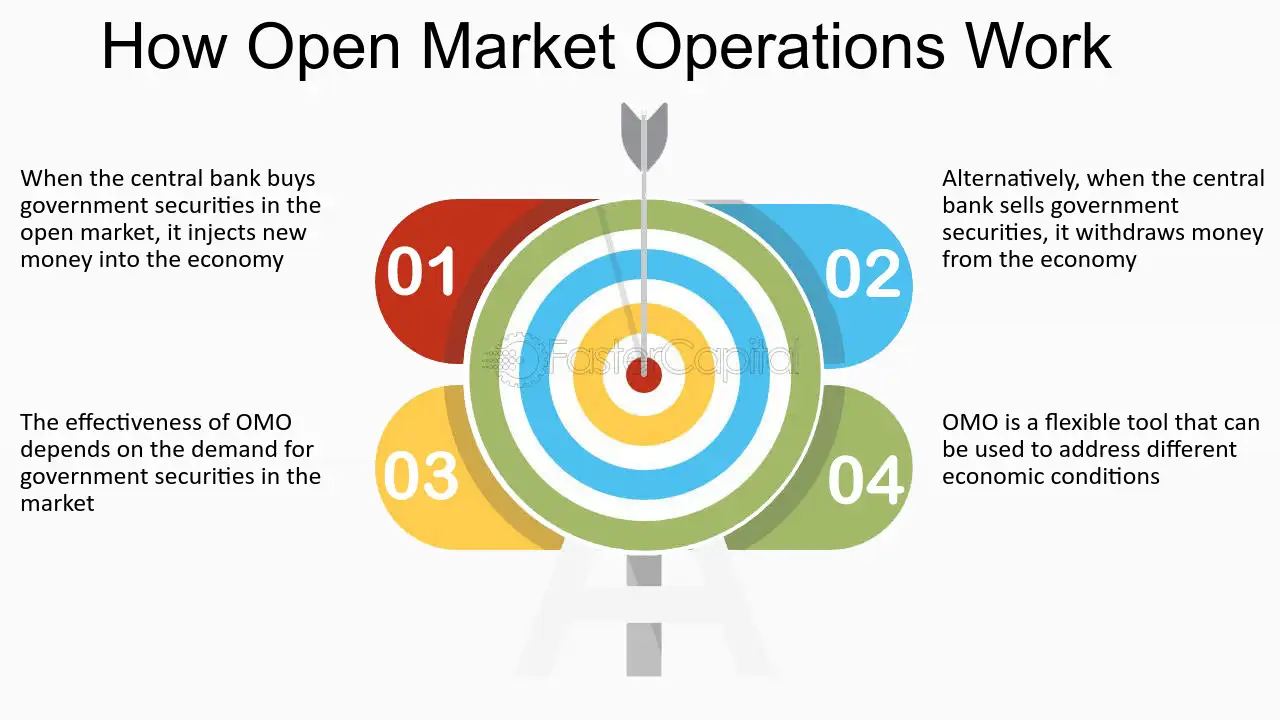
- Open Market Operations refer to the buying and selling of government securities by the Reserve Bank of India (RBI) in the open market to regulate liquidity and money supply in the economy.
- Types:
- OMO Purchase: RBI buys G‑secs → injects rupee liquidity (expansionary).
- OMO Sale: RBI sells G‑secs → absorbs rupee liquidity (contractionary).
- Types:
What are Rupee–Dollar Swap Operations?
- A Rupee–Dollar swap is a foreign exchange tool used by the RBI in which it exchanges US dollars for rupees with banks, with an agreement to reverse the transaction at a future date.
- Structure:
- Buy/sell swap: RBI buys dollars now (gives rupees) and agrees to sell the same dollars later → injects rupee liquidity now, withdraws it at maturity.
- Sell/buy swap: RBI sells dollars now (absorbs rupees) and buys them back later → sucks out rupee liquidity now, re‑injects later.
Why RBI uses Both Together?
- The RBI uses both tools simultaneously because they serve different but complementary purposes in managing liquidity, interest rates, and exchange rate stability.
- Short-term vs durable liquidity management: OMO helps RBI fine-tune liquidity permanently, while rupee–dollar swaps provide durable but reversible liquidity for longer periods.
- Separation of objectives: Using swaps allows RBI to inject rupee liquidity without directly altering domestic bond yields, while OMO directly influences the government securities market.
- Managing forex volatility alongside liquidity: Rupee–dollar swaps help stabilise the exchange rate and optimise forex reserves, while OMO focuses purely on domestic monetary conditions.
- Flexibility in monetary policy transmission: Together, they give RBI greater operational flexibility to control liquidity surplus/deficit without overusing a single instrument.
- Objectives: It aims to ease domestic liquidity, manage the inflated dollar rupee forward premium, and support the RBI's foreign exchange reserves, which have been depleted due to its recent market interventions.
- A forward premium means the future exchange rate is higher than the current rate, showing the market expects the rupee to weaken.
- A persistently high forward premium prompts importers to rush for dollars, further pushing up the premium and creating a negative sentiment loop around the rupee.
- Forex Pressure: This action follows substantial dollar sales by the RBI (e.g.,a net USD 11.88 billion in October 2025) to arrest the rupee's fall amid pressure from factors like U.S. tariffs.
| Read More: Open Market Operations by RBI |
Important Facts For Prelims
Rabies in India
Why in News?
A recent study by One Health has brought renewed attention to rabies in India, highlighting that the country alone accounts for nearly one-third of global rabies deaths, despite the disease being entirely preventable.
Summary
- India accounts for nearly one-third of global rabies deaths, mainly due to dog bites, affecting children and poor communities, despite the disease being fully preventable.
- Deaths persist due to systemic gaps such as delayed treatment, incomplete vaccination, RIG shortages, and weak dog population control, even with national programmes and a One Health approach in place.
What are the Key Findings of the Study on Rabies in India?
- Highest Global Burden: About 20,000 of the 59,000 rabies deaths worldwide each year occur in India, the highest for any single country. It is endemic to India.
- Free-roaming dogs are the main reservoir, with India recording around 20 million dog bites annually.
- Rabies as Disease of Poverty: The majority of victims are poor, marginalised populations living in areas with large numbers of free-roaming dogs and limited access to healthcare.
- Deaths occur not due to lack of medical knowledge, but because of delayed treatment, incomplete vaccination, and non-availability of rabies immunoglobulin (RIG).
- Over 20% of dog-bite victims receive no anti-rabies vaccine (ARV). Nearly half do not complete the full vaccination course, sharply increasing fatality risk.
- Scarce of RIG: RIG is life-saving but scarce, and expensive (Rs 5,000–Rs 20,000), and often unavailable in public hospitals.
- Children are Disproportionately Affected: Around 40% of rabies cases are in children under 15, reflecting exposure and delayed care.
- Dog Population Control Measures: Current Catch–Neuter–Vaccinate–Release strategies have limited impact due to high annual dog population turnover (~40%).
- In 2025, the Supreme Court of India directed States to remove stray dogs from public institutions, triggering debate over feasibility and animal welfare.
- Elimination is Feasible but Unmet: The study concludes that human rabies deaths are entirely preventable, and continued mortality reflects systemic failures in public health delivery, not scientific limitations.
What are the Key Facts About Rabies?
- About: Rabies is caused by the rabies virus, a neurotropic virus belonging to the Lyssavirus genus of the Rhabdoviridae family, which infects the central nervous system.
- Global burden: Rabies is causing about 59,000 deaths annually. Around 40% of victims are children under 15.
- Nature of the disease: Rabies is a viral, zoonotic, neglected tropical disease (NTD).
- It is 100% fatal once clinical symptoms appear.
- Main source of infection: Dogs cause about 99% of human rabies cases through bites and scratches. Other mammals can carry rabies, but human cases from wildlife are rare in most regions.
- Transmission: Spread through saliva via bites, scratches, or contact with broken skin or mucosa. Human-to-human transmission has never been confirmed.
- Prevention and Treatment: Rabies deaths are completely preventable with timely post-exposure prophylaxis (PEP).
- PEP includes:
- Immediate wound washing with soap and water (15 minutes)
- A full course of rabies vaccine
- Rabies immunoglobulin (RIG) or monoclonal antibodies for severe exposures
- PEP includes:
- Symptoms: Incubation period usually 2–3 months (can range from one week to one year).
- Two forms: Furious rabies (hydrophobia, hallucinations, hyperactivity, rapid death) & Paralytic rabies (gradual paralysis, often misdiagnosed).
- Once clinical symptoms appear, rabies is virtually 100% fatal.
- Economic Impact: Global cost estimated at US$ 8.6 billion per year, including healthcare costs, lost livelihoods, and social trauma. PEP can be financially catastrophic for poor households.
- Most Effective Control Strategy: Mass dog vaccination is the most cost-effective way to prevent human rabies. Culling free-roaming dogs is ineffective.
- Global goal: The World Health Organization and partners aim to end human deaths from dog-mediated rabies by 2030 using a One Health approach that links human health, animal health, and community awareness.
India’s Measures for Rabies Control in India
- National Rabies Control Programme (NRCP): Aims to reduce rabies deaths by strengthening surveillance, prevention, and management of animal bite cases nationwide.
- Integrated Health Information Platform (IHIP): Digital platform for real-time reporting and monitoring of animal bites and rabies-related deaths across States and UTs.
- National Health Mission (NHM): Provides financial and operational support to States for vaccines, training, IEC activities, and anti-rabies infrastructure.
- Ensures free availability of life-saving Anti-Rabies Vaccine (ARV) and Rabies Immunoglobulin (RIG) in public health facilities.
- National Centre for Disease Control (NCDC) Rabies Activities: Supports awareness generation, laboratory strengthening, and development of guidelines and training material.
- National One Health Programme for Prevention and Control of Zoonosis: Integrates human and veterinary health systems to improve animal rabies diagnosis and coordinated disease control.
Frequently Asked Questions (FAQs)
1. Why is rabies considered a major public health problem in India?
India accounts for about 20,000 of the 59,000 global rabies deaths annually, mainly due to dog bites, delayed treatment, and poor access to vaccines and RIG.
2. Which programme addresses rabies control in India?
The National Rabies Control Programme (NRCP) focuses on surveillance, prevention, free treatment, and capacity building under the National Health Mission.
3. What makes rabies almost always fatal?
Once the rabies virus reaches the central nervous system and symptoms appear, the disease is 100% fatal, with no effective cure.
UPSC Civil Services Examination, Previous Year Question (PYQ)
Q. Consider the following diseases: (2014)
- Diphtheria
- Chickenpox
- Smallpox
Which of the above diseases has/have been eradicated in India?
(a) 1 and 2 only
(b) 3 only
(c) 1, 2 and 3
(d) None
Ans: (b)
Q. With reference to recent developments regarding ‘Recombinant Vector Vaccines’, consider the following statements: (2021)
- Genetic engineering is applied in the development of these vaccines.
- Bacteria and viruses are used as vectors.
Which of the statements given above is/are correct?
(a) 1 only
(b) 2 only
(c) Both 1 and 2
(d) Neither 1 nor 2
Ans: (c)


Rapid Fire
India’s Iconic Bridges
India has built numerous bridges that are strategic and economic lifelines, connecting regions, navigating difficult terrains, and demonstrating engineering excellence.
- Atal Bihari Vajpayee Sewri-Nhava Sheva Atal Setu (Mumbai Trans Harbour Link – MTHL): Longest sea bridge in India, spanning 16.5 km over the sea and 5.5 km on land.
- Chenab Bridge (1,315 metres): World’s highest railway arch bridge (359 metres above the Chenab River).
- Designed to withstand wind speeds up to 260 kmph with a 120-year lifespan, the bridge rises 35 metres higher than the Eiffel Tower and forms a key segment of the Udhampur–Srinagar–Baramulla Railway Link (USBRL).
- New Pamban Bridge (2.07 km): India’s first vertical lift railway sea bridge, connecting Rameswaram with the mainland. It has a 72.5-metre vertical lift section, allowing ships to pass without interrupting train movement.
- Dhola–Sadiya Bridge (Bhupen Hazarika Setu, 9.15 km): Connects Assam and eastern Arunachal Pradesh, providing the first permanent road link between northern Assam and eastern Arunachal Pradesh. It spans over the Lohit River, a major Brahmaputra tributary.
- Anji Khad Bridge (725 m): India’s first cable-stayed railway bridge, part of the Udhampur–Srinagar–Baramulla Rail Line. It spans the Anji River valley, situated 331 metres above the gorge.
| Read More: Infrastructure Development in India |


Rapid Fire
India Tops Global Doping Violations in 2024
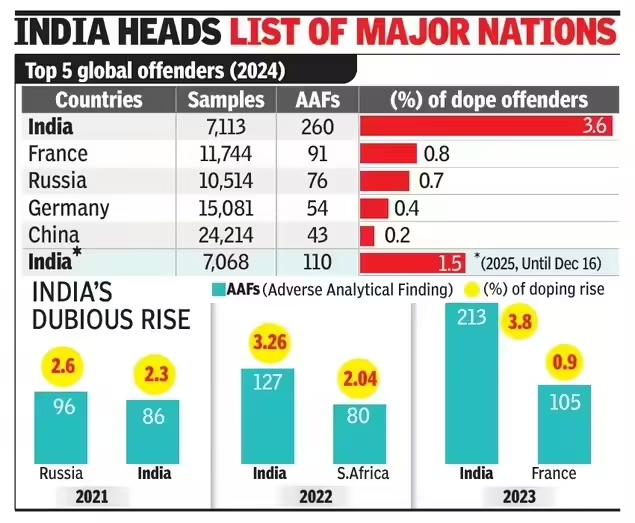
India has been named the world's worst doping offender for a 3rd straight year, with a record 260 violations in 2024 as per the WADA Annual Report 2024.
- Rising concerns about doping arise amid India’s preparations for the 2030 Commonwealth Games and 2036 Olympic bid, with the International Olympic Committee (IOC) flagging the issue during feasibility assessments.
- Other Countries’ Rankings in 2024: France (91), Italy (85), Russia & USA (76 each), Germany (54), China (43).
World Anti-Doping Agency (WADA)
- About: WADA, founded in 1999 by the International Olympic Committee (IOC), is the global independent authority tasked with promoting and coordinating the fight against doping in sports.
- Governance Model: Operates on a unique principle of equal partnership and funding between the global Sport Movement and Governments.
- Core Document: The World Anti-Doping Code is its fundamental charter, designed to harmonize anti-doping rules across all sports and nations for consistent athlete standards.
- Key Standard: It publishes the WADA Prohibited List, the international standard identifying banned substances and methods, which is updated annually.
- Operational Scope: The Prohibited List and Code apply to all scenarios—in-competition, out-of-competition, and for specific sports.
National Anti-Doping Agency (NADA)
- About: NADA is India's autonomous body, established in 2005, responsible for promoting and monitoring anti-doping in sports.
- Initiatives: It implements the Anti-Doping Program and conducts initiatives like the #PlayTrue Campaign to educate athletes and promote clean competition.
| Read More: World Anti-Doping Report 2022 |


Rapid Fire
Subansiri Lower Hydroelectric Project
The Union Minister of Power, Housing & Urban Affairs inaugurated the commercial operation of Unit–2 (250 MW) of the Subansiri Lower Hydroelectric Project.
- Subansiri Lower Hydroelectric Project: Approved in 2003, it is a run-of-the-river hydropower project with an installed capacity of 2000 MW, making it India’s largest hydropower project once fully commissioned.
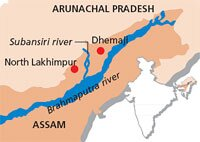
- It is located at Gerukamukh on the Assam–Arunachal Pradesh border and is implemented by National Hydroelectric Power Corporation (NHPC) Limited.
- Geographic Significance: The project built on the Subansiri River, the largest tributary of the Brahmaputra, is strategically important for water management, flood control, and energy security in the North-East.
- It will supply power to 16 beneficiary states, provide free power to Arunachal Pradesh and Assam, and allocate 1,000 MW to the North-East, strengthening regional power availability.
- Dam and Flood Management: The project has a 116-metre-high concrete gravity dam, the largest dam in North-East India. As the first cascaded dam on the Subansiri River, it helps reduce downstream flooding by providing a flood cushion of 442 million cubic metres.
- The dam has a gross reservoir storage of 1,365 million cubic metres, and one-third of this storage is kept empty during the flood season to safely absorb excess water and protect downstream areas.
- Engineering and Technological Significance: The project features India’s heaviest hydro generator rotors, largest stators and inlet valves, and the first use of the Rotec Tower Belt system in dam concreting, marking a major advance in high-capacity hydropower engineering.
Subansiri River
- The Subansiri River (Chayul Chu in Tibet) is a trans-Himalayan river and the largest tributary of the Brahmaputra River.
- Originating in the Tibetan Himalayas, it enters India near Taksing in Arunachal Pradesh, flows through the Miri Hills, and joins the Brahmaputra in Assam at Jamurighat.
| Read more: Subansiri Lower Hydroelectric Project |