Social Justice
World Inequality Report 2026
For Prelims: World Inequality Report 2026, World Inequality Lab, PPP, GDP, Labor Force Participation Rate, Unemployment, Progressive Tax.
For Mains: Key findings of the World Inequality Report 2026 and proposed policy solutions as per for reducing inequality. Status of India in WIR 2026 and Steps taken by India to reduce inequality.
Why in News?
The 3rd World Inequality Report 2026 (WIR 2026), released by the World Inequality Lab, highlights unprecedented global inequality across income, wealth, gender, climate responsibility, and territorial divides, calling for urgent policy interventions.
Summary
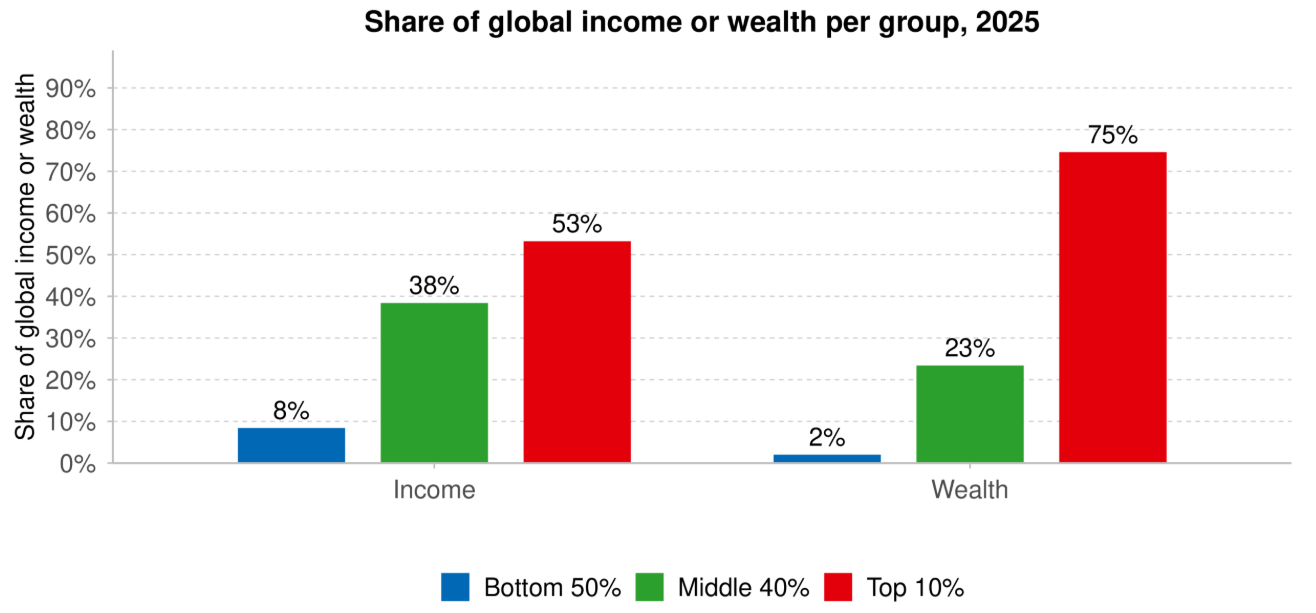
- The report highlights global inequality, with the top 10% owning 75% of wealth and responsible for 77% of capital-linked emissions.
- Inequality is multi-dimensional, spanning income, wealth, gender, climate responsibility, and geography, with mutually reinforcing effects.
- The report suggests progressive taxation, gender-equal policies, and global financial reform to promote equitable societies.
What are the Key Findings of the World Inequality Report 2026?
- Extreme Wealth Concentration: The top 10% own three-quarters of global wealth, while the bottom half holds only 2%.
- The wealthiest 0.001% (around 60,000 multi-millionaires) control 3 times more wealth than half of humanity combined. Their share grew from 4% in 1995 to over 6% in 2025.
- Human Capital Inequality: Average education spending per child in Sub-Saharan Africa is Euros 220 (PPP), compared to Euros 7,430 in Europe and Euros 9,020 in North America & Oceania — over 40 times lower.
- Climate Inequality: The wealthiest 10% account for 77% of global emissions associated with private capital ownership, while the poorest half accounts for only 3%.
- Those who emit the least (populations in low-income countries) are most exposed to climate shocks, while high emitters have resources to adapt.
- Gender Inequality: Women work 53 hours per week on average vs 43 for men (including domestic and care work).
- Excluding unpaid work, women earn 61% of men's hourly income; including unpaid labor, this falls to just 32%.
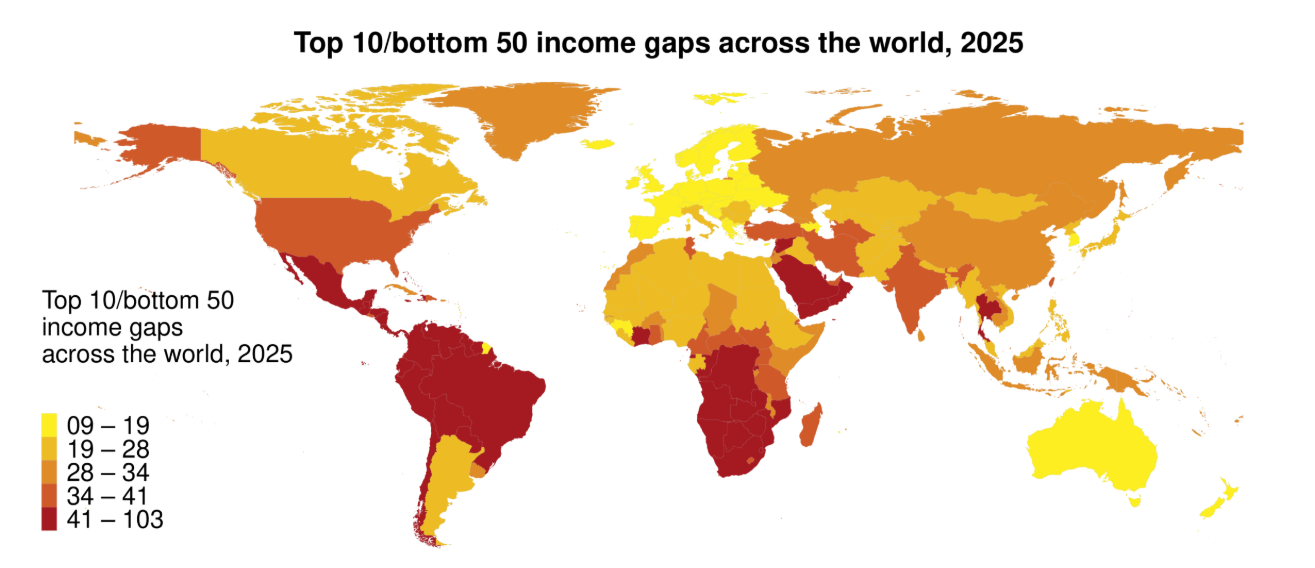
- Regional Income Inequality: Average daily income in North America & Oceania is Euros 125, compared to only Euros 10 in Sub-Saharan Africa — a 13-fold difference. The Top 10%/Bottom 50% income ratio reveals severe inequality within countries.
- Global Financial System Inequality: Annually, a net financial transfer equal to 1% of global GDP—3 times total development aid—moves from poorer to wealthier nations due to demand for US and European sovereign bonds.
What are the Key Findings Related to India in the World Inequality Report 2026?
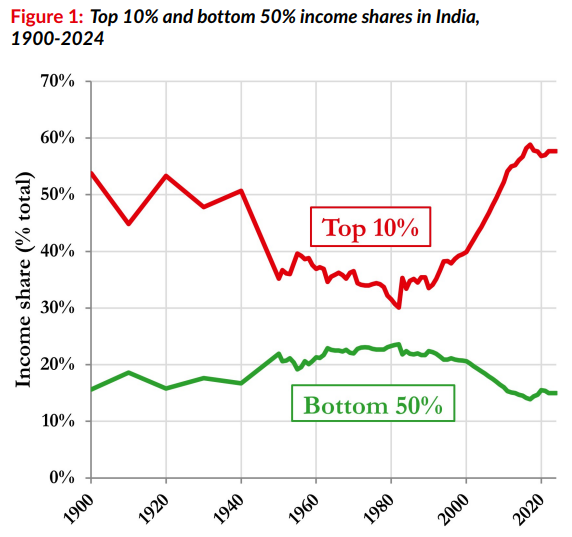
- Income Inequality: The top 10% of earners capture a disproportionate 58% of the national income. In contrast, the bottom 50% of the population receives only 15%.
- Wealth Concentration: The richest 10% hold around 65% of the nation's total wealth. The top 1% alone holds about 40% of total wealth.
- Low Female Labor Force Participation: The female labor force participation rate is only 15.7%, one of the lowest in the world.
- Average Prosperity: The average annual income per capita is approximately Euros 6,200 (PPP), and average wealth is about Euros 28,000 (PPP).
World Inequality Report
- About: The World Inequality Report is a major global publication that provides comprehensive data and analysis on the distribution of income and wealth across countries and over time.
- It is produced by the World Inequality Lab, a research center based at the Paris School of Economics.
- Key Features of the Report: It provides a deeper assessment of global income and wealth distribution, moving beyond conventional metrics like GDP.
- It uses a multidimensional lens, covering gender inequality, climate impact, and access to public services.
What are the Key Policy Recommendations Made in World Inequality Report 2026?
|
Policy Area |
Core Objective |
Recommendations |
|
Public Investment in Human Capital |
Equalize life chances from the start and build an inclusive society. |
Invest in free, high-quality education, universal healthcare, childcare, and nutrition programs. |
|
Redistribution & Social Protection |
Shift resources directly to lower-income groups and provide stability. |
Implement cash transfers, pensions, and unemployment benefits for vulnerable households. |
|
Advancing Gender Equality |
Dismantle structural barriers and redistribute unpaid care work. |
Provide affordable childcare, equitable parental leave, and enforce equal pay laws. |
|
Progressive & Green Taxation |
Mobilize public resources fairly and align fiscal policy with climate goals. |
Enact progressive wealth/income taxes and use taxes/subsidies to promote low-carbon technologies. |
|
Reforming Global Financial System |
Correct systemic biases that transfer resources from poor to rich nations. |
Explore new global currency arrangements systems to reduce unequal financial flows. |
India’s Initiatives to Reduce Inequality
- Mahatma Gandhi National Rural Employment Guarantee Act Scheme (MGNREGA)
- Prime Minister’s Employment Generation Programme (PMEGP)
- Deendayal Antyodaya Yojana- National Urban Livelihoods Mission (DAY-NULM)
- Samagra Shiksha Scheme 2.0
- Pradhan Mantri Jan Dhan Yojana
- Lakhpati Didi Initiative
Conclusion
The World Inequality Report 2026 reveals an interconnected crisis of extreme economic, environmental, and social disparities. While the data shows that inequality is a political choice, the proposed multi-dimensional policy solutions and existing national initiatives highlight a clear, actionable path toward building more equitable and resilient societies.
|
Drishti Mains Question: Q. Examine the multidimensional nature of global inequality as highlighted in the World Inequality Report 2026. What comprehensive steps, integrating fiscal and social policy, are needed to forge an effective and equitable development path for India? |
Frequently Asked Questions (FAQs)
1. What does WIR 2026 reveal about global wealth concentration?
The top 10% hold 75% of global wealth, while the bottom 50% owns only 2%; the top 0.001% controls three times more wealth than half of humanity.
2. How is climate inequality linked to wealth?
The wealthiest 10% account for 77% of emissions from private capital; the top 1% alone contribute 41%, showing unequal responsibility and risk.
3. What does the report identify as a primary reason for persistent high inequality in India?
Inequality in India is entrenched, with the top 10% capturing 58% of national income and the top 1% holding 40% of wealth, exacerbated by a stagnant female labour force participation rate of 15.7%.
UPSC Civil Services Examination, Previous Year Question (PYQ)
Prelims
Q.Inclusive growth as enunciated in the Eleventh Five Year Plan does not include one of the following: (2010)
(a) Reduction of poverty
(b) Extension of employment opportunities
(c) Strengthening of capital market
(d) Reduction of gender inequality
Ans: (c)
Mains
Q. COVID-19 pandemic accelerated class inequalities and poverty in India. Comment. (2020)


Social Justice
Poverty in India
For Prelims: Poverty, World Bank, Gini index, Ayushman Bharat, and POSHAN Abhiyan, and Samagra Shiksha
For Mains: Poverty trends in India, Equity, distributive justice and inclusive development.
Why in News?
A new research paper by Arvind Panagariya, Chairman of the 16th Finance Commission, finds that India has “virtually eliminated” extreme poverty between 2011–12 and 2023–24.
Summary
- India has seen a steep fall in poverty, with extreme poverty dropping to about 2%, alongside major gains across social and religious groups.
- The rising consumption, stronger welfare systems, and broad rural improvements have aided in decline in poverty.
What are the Key Highlights of the Study on Poverty?
- Extreme Poverty Nearly Eliminated: Poverty fell from 21.9% to 2.3% between 2011–12 and 2023–24, indicating near-elimination of extreme poverty driven by rising consumption and better access to welfare, nutrition, and basic services.
- Poverty Declined Across all Social Groups: SCs, STs, OBCs and FCs all saw major reductions, with ST poverty dropping to 8.7%, though remaining higher than other groups.
- Religious poverty gaps have sharply narrowed, with Muslims now recording slightly lower rural poverty than Hindus, reversing the common perception of higher Muslim poverty.
- Faster Reduction in Rural Areas: Rural poverty declined by 22.5 percentage points, outpacing urban reduction of 12.6 points due to stronger welfare and consumption growth.
- Near-Zero Poverty: Himachal Pradesh, Sikkim, Goa, Delhi, Chandigarh, and Daman & Diu recorded poverty levels close to zero.
What is Poverty?
- Poverty: According to the World Bank, poverty is “pronounced deprivation in well-being.” The poor are those who do not have sufficient income or consumption to rise above an adequate minimum threshold.
- The international poverty line, which is used to measure extreme poverty in low-income economies, is set at USD 3.00 per person per day (based on 2021 purchasing power parity).
- According to NITI Aayog, poverty is measured by setting a poverty line (the minimum expenditure needed to meet basic socially acceptable needs) and the poverty ratio denotes the share of the population living below this line.
- Poverty Estimation in India:
- Post-Independence: The Planning Commission (1962) initiated an official poverty assessment.
- Later committees like Alagh Committee (1979) and Lakdawala Committee (1993) refined the methodology, focusing on consumption expenditure and calorie norms.
- Tendulkar Committee (2009): Shifted from calorie-based norms, recommended a uniform all-India Poverty Line Basket (PLB), and adopted Mixed Reference Period (MRP) consumption data.
- It estimated the 2011–12 poverty line at Rs 816 (rural) and Rs 1,000 (urban) per capita per month.
- Rangarajan Committee (2014): Formed after criticism of the Tendulkar method, it reverted to separate rural and urban PLBs, estimating Rs 972 (rural) and Rs 1,407 (urban) per capita per month.
- However, the government did not adopt its recommendations officially.
- Post-Independence: The Planning Commission (1962) initiated an official poverty assessment.
- Multidimensional Poverty Index (MPI): Launched in 2010 by United Nations Development Programme and Oxford Poverty & Human Development Initiative (OPHI), the MPI measures poverty beyond income, considering deprivations in health, education, and living standards.
- It reflects both the proportion of poor people and the average number of deprivations they experience simultaneously.
- National Multidimensional Poverty Index (NMPI): NITI Aayog uses National Family Health Survey (NFHS) to measure the NMPI.
- The multidimensional poverty in India has declined from 29.17% in 2013-14 to 11.28% in 2022-23 with about 24.82 crore people escaping poverty.
- The Gini index declined from 28.8 in 2011-12 to 25.5 in 2022-23, showing reduced inequality.
|
Type of Poverty |
Definition |
|
Extreme Poverty |
Defined as surviving on less than USD 3.00 per person per day at 2021 purchasing power parity. |
|
Relative Poverty |
Poverty measured in relation to the economic status of society. |
|
Multidimensional Poverty (MPI) |
Considers multiple deprivations in health, education, and living standards, not just income. |
|
Consumption-based Poverty |
Measured using household consumption expenditure. |
What are the Factors Contributing to Poverty in India?
- P – Persistent Inequality: Income concentration remains high, the top 10% hold 57% of national income, leaving fewer resources and opportunities for low-income households to improve their living standards.
- R – Rural Economic Dependence: Agriculture employs 46% of India’s workforce but contributes only 18% to GDP, creating widespread underemployment and low earnings.
- E – Education & Skill Deficits: The ASER report 2024 notes that 50% of Class 5 students are not able to read Class 2 text, limiting future income mobility.
- S – Social Exclusion: According to the World Inequality Report 2022, women earn only 18% of labour income, and female labour force participation remains around 31%, reflecting deep social and economic barriers.
- S – Slum Expansion & Urban Vulnerability: Around 17% of India’s urban population lives in slums (Census 2011), with recent growth driven by migration and limited affordable housing.
- U – Unemployment & Informal Work: Youth unemployment stands at 10.2% (PLFS 2023–24), rising to 29% for graduates and over 80% of the workforce remains in informal jobs without social security.
- R – Regional Disparities: States like Bihar continue to show over 25% poverty, while Kerala reports zero extreme poverty, mirroring uneven development across India.
- E – Environmental & Climate Stress: About 51% of Indian children face the double burden of poverty and climate vulnerability; disasters like Cyclone Amphan displaced 2.4 million people in 2020 alone.
What Measures can be Taken to Reduce Poverty in India?
To ease the PRESSURE of persistent poverty, India needs to strengthen a PROSPER strategy that expands opportunities, strengthens safety nets, and drives inclusive, resilient growth.
- P – Strengthen Public Services: Expand access to quality health, nutrition, and education through Ayushman Bharat, and POSHAN Abhiyan, and Samagra Shiksha to build long-term human capital and resilience.
- R – Diversify Rural Livelihoods: Reduce overdependence on low-productivity agriculture by scaling PM-KUSUM, Dairy/Fisheries Missions, and MGNREGA asset creation to boost non-farm rural incomes.
- O – Opportunities for Skilling and Jobs: Address youth unemployment by upgrading Pradhan Mantri Kaushal Vikas Yojana (PMKVY), and promoting labour-intensive sectors under Make in India.
- S – Strengthen Social Safety Nets: Reinforce food security, housing, and direct support through One Nation One Ration Card, Pradhan Mantri Awas Yojana – Urban (PMAY-U) 2.0, and Direct Benefit Transfer (DBT) systems to protect vulnerable households from economic shocks.
- P – Enhance Inclusion of Women & Marginalised Groups: Deepen economic participation through DAY-NRLM SHGs, and targeted interventions in Aspirational Districts.
- E – Build Climate-Resilient Systems: Safeguard rural livelihoods through water conservation missions, and climate-adaptive practices under Mission LiFE.
- R – Reduce Regional Disparities: Focus on lagging states and tribal areas through PM-Janman, and the Aspirational Blocks Programme to ensure balanced development.
Conclusion
India’s poverty challenge has shifted from widespread deprivation to concentrated pockets of vulnerability driven by inequality, climate stress, and regional disparities. A calibrated PROSPER strategy can help India secure inclusive and sustainable poverty reduction.
|
Drishti Mains Question: Q. Poverty in India is now concentrated in tribal and lagging regions. Discuss and suggest policy measures. |
Frequently Asked Questions (FAQs)
1. What does the Multidimensional Poverty Index (MPI) measure?
MPI measures deprivations in health, education, and living standards, capturing both the proportion of people who are poor and the average number of deprivations they face simultaneously.
2. What does the Gini Index measure?
It measures inequality in income or consumption distribution, 0 means perfect equality, and 100 indicates perfect inequality. India’s consumption-based Gini index fell from 28.8 (2011-12) to 25.5 (2022-23).
3. What is “consumption-based poverty” in India?
It is poverty measured using household consumption expenditure rather than income, based on surveys such as the Household Consumption Expenditure Survey (CES) using 7-day, 30-day, and 365-day reference periods.
UPSC Civil Services Examination, Previous Year Question (PYQ)
Prelims
Q. The Multi-dimensional Poverty Index developed by Oxford Poverty and Human Development Initiative with UNDP support covers which of the following? (2012)
- Deprivation of education, health, assets and services at household level
- Purchasing power parity at national level
- Extent of budget deficit and GDP growth rate at national level
Select the correct answer using the codes given below:
(a) 1 only
(b) 2 and 3 only
(c) 1 and 3 only
(d) 1, 2 and 3
Ans: (a)
Mains
Q. Poverty and malnutrition create a vicious cycle, adversely affecting human capital formation. What steps can be taken to break the cycle? (2024)


Facts for UPSC Mains
Role of Bengal in Indian National Movement
Why in News?
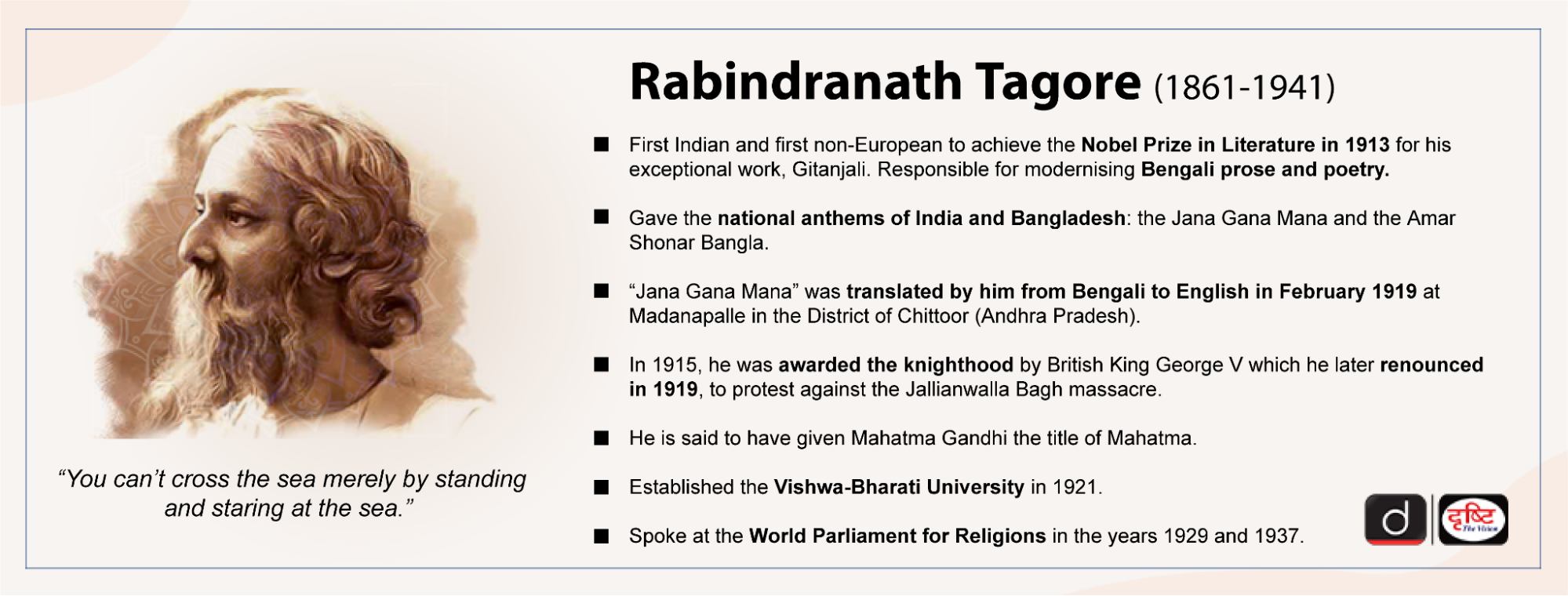
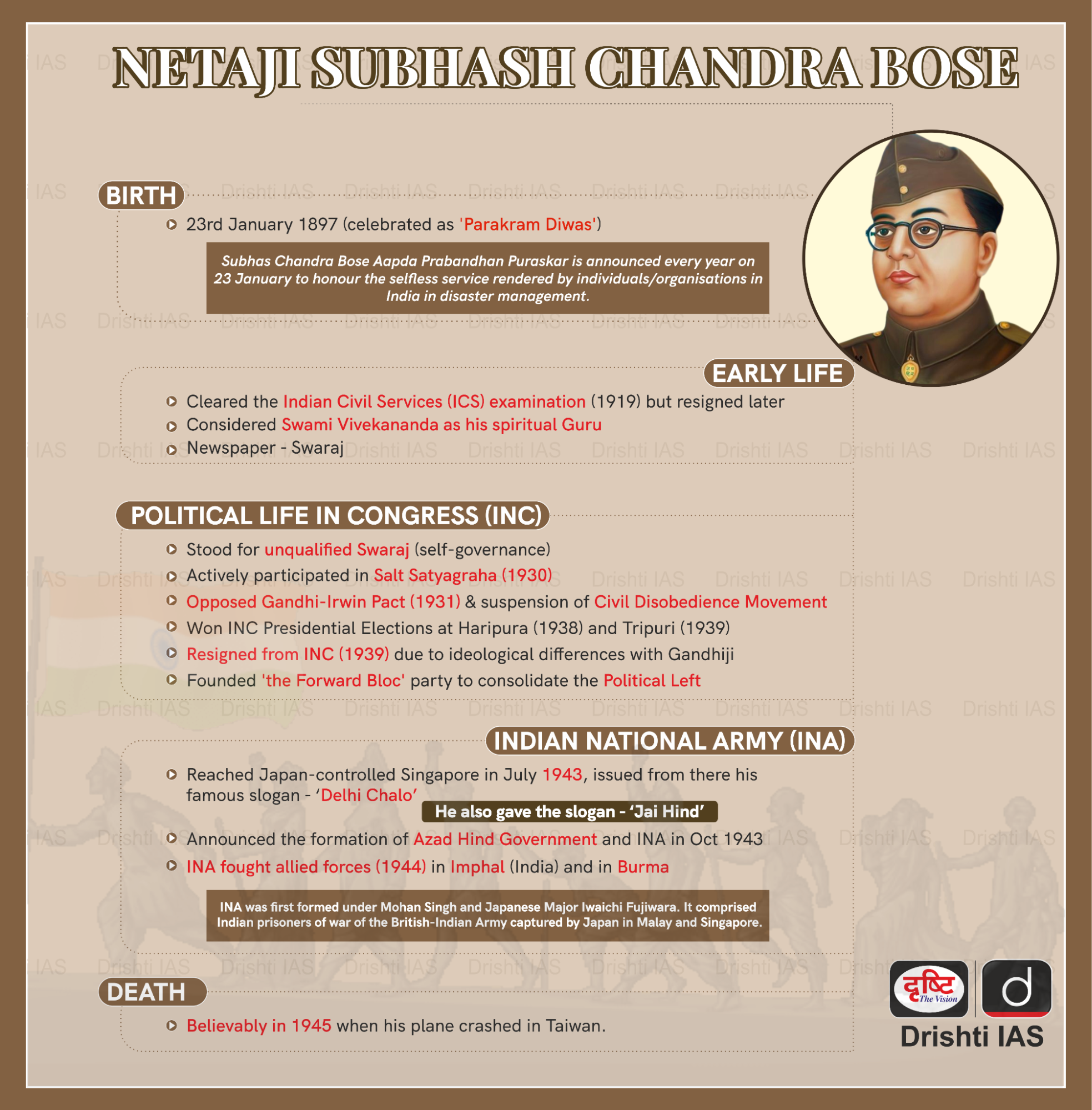
The West Bengal Chief Minister has criticised the Central government, alleging that it has undermined the contributions of national icons from Bengal, including Rabindranath Tagore, Netaji Subhas Chandra Bose, and Bankim Chandra Chattopadhyay.
- Her remarks have sparked debate over the politics of national symbols, regional identity, and historical legacy, especially over the national song Vande Mataram.
Summary
- Bengal served as the intellectual and revolutionary center of Indian nationalism, driving mass movements, radical thought, and armed resistance.
- Iconic figures like Tagore, Bose, and Bankim Chandra shaped the movement’s cultural and ideological foundations, though with complex legacies.
- Ongoing debates over symbols like Vande Mataram and these icons reflect tensions between regional identity, historical memory, and national narratives.
What is the Role of Bengal in Indian National Movement?
- Intellectual and Cultural Awakening: Raja Rammohan Roy's Brahmo Samaj ignited rationalism and social reforms, while Bankim Chandra Chattopadhyay's Vande Mataram served as the anthem of the Indian national movement.
- Swami Vivekananda then galvanized this sentiment, fusing national pride, self-respect, and service into a spiritual duty.
- Early Political Associations: Early political organizations like the British Indian Association (1851), and Indian Association (1876) emerged in Calcutta, paving the way for organized political movements that shaped India's struggle for independence.
- Early Congress sessions were dominated by Bengali leaders (Surendranath Banerjea, Ananda Mohan Bose, etc.).
- Swadeshi Movement & Extremism: The Partition of Bengal (1905) ignited the Swadeshi Movement, birthing modern revolutionary nationalism through boycott, swadeshi enterprise, national education, and extremist leaders like Bipin Chandra Pal and Aurobindo Ghosh.
- This era saw the rise of revolutionary groups like the Anushilan Samiti (1902) and Jugantar party (1906), marked by actions such as the Alipur Bomb Case (1908).
- Revolutionary Phase of Nationalism: Iconic actions included the Chittagong Armoury Raid (1930) by Master Da Surya Sen and pioneering martyrdom by women revolutionaries like Pritilata Waddedar (1932) and Bina Das (1932).
- Cultural & Literary Contribution: The fearless Bengali press (e.g., Amrita Bazar Patrika) and powerful theatre (e.g., Neel Darpan) exposed colonial exploitation, while Rabindranath Tagore (work Ghare Baire i.e., The Home and the World) and the rebel poet Kazi Nazrul Islam profoundly shaped nationalist thought through literature, music, and impassioned verse.
- Role in Gandhian Movements: Bengal actively participated in Non-Cooperation (1920–22) with leaders like Chittaranjan Das and Basanti Devi, in Civil Disobedience (1930–34) where thousands courted arrest, and in Quit India (1942), which spurred the parallel Tamralipta Jatiya Sarkar (1942–44).
Conclusion
Bengal's unparalleled contribution—intellectual, revolutionary, and cultural—fundamentally shaped India’s freedom struggle. Contemporary debates over its icons reflect the enduring politics of memory and regional identity within the national narrative.
|
Drishti Mains Question: Q. Examine the role of Bengal as the 'crucible of Indian nationalism,' highlighting its intellectual, revolutionary, and cultural contributions to the freedom struggle |
Frequently Asked Questions (FAQs)
1. Which early political associations emerged from Bengal?
The British Indian Association (1851), the Indian League (1875), and the Indian Association (1876) were key early political associations founded in Calcutta.
2. Why has 'Vande Mataram' been a historically contested symbol?
While a powerful anti-colonial anthem, its context in Bankim Chandra's novel Anandamath and overt Hindu imagery led to debates, resulting in only its first two stanzas being adopted as the National Song.
3. What was Netaji Subhas Chandra Bose's ideological divergence from the Congress mainstream?
Bose advocated for a more militant, socialist, and centrally-organized approach to independence, leading to the formation of the Forward Bloc and the Indian National Army (Azad Hind Fauj).
UPSC Civil Services Examination, Previous Year Question (PYQ)
Prelims
Q. Which among the following events happened earliest? (2018)
(a) Swami Dayanand established Arya Samaj.
(b) Dinabandhu Mitra wrote Neeldarpan.
(c) Bankim Chandra Chattopadhyay wrote Anandmath.
(d) Satyendranath Tagore became the first Indian to succeed in the Indian Civil Services Examination.
Ans: (b)
Q. Who among the following is associated with ‘Songs from Prison’, a translation of ancient Indian religious lyrics in English? (2021)
(a) Bal Gangadhar Tilak
(b) Jawaharlal Nehru
(c) Mohandas Karamchand Gandhi
(d) Sarojini Naidu
Ans: (c)
Mains
Q. Evaluate the policies of Lord Curzon and their long term implications on the national movement. (2020)
Q. Many voices had strengthened and enriched the nationalist movement during the Gandhian Phase. Elaborate. (2019)
Important Facts For Prelims
Google’s Quantum Echoes Experiment
Why in News?
Google has achieved a breakthrough in quantum computing called Quantum Echoes marking a significant advancement in understanding quantum behavior and has revived global discussions on Q-day, encryption security, and the future of quantum-safe systems.
Summary
- The Quantum Echoes experiment advanced quantum physics by measuring information scrambling, separate from cryptographic code-breaking.
- It warns of the Q-Day threat and harvest-now-decrypt-later risk to current encrypted data.
- A large technology gap persists, driving global moves like NIST’s PQC standards and RBI advisories toward quantum-safe systems.
What is Google’s Quantum Echoes Experiment?
- About: It is a fundamental physics experiment run on Google's 65-qubit Willow quantum processor, designed to observe and measure how quantum information scrambles and refocuses within a complex, entangled system—a phenomenon metaphorically called an echo.
- Scientists used a tool called an Out-of-Time-Order Correlator (OTOC), which works like giving the quantum system a tiny push, reversing its evolution, and then detecting the returning echo.
- Q-Day Concept: Refers to when quantum computers become powerful enough to break public-key encryption. It would not instantly expose all secrets, but any encrypted data stored today could be decoded later if intercepted now — a risk known as “harvest now, decrypt later.
- Encryption Vulnerability: RSA-2048 (Rivest–Shamir–Adleman) encryption, which secures nearly all online communication, works by multiplying large prime numbers.
- Quantum computers using Shor's algorithm (a quantum method that factors large numbers efficiently) could potentially break this by finding prime factors exponentially faster than classical computers.
- Current Technology Gap: Breaking RSA-2048 encryption would require approximately 20 million physical qubits and 8 hours. Current processors like Google's Willow and IBM's Condor have only a few hundred noisy qubits.
- Fault-tolerant quantum computers needing millions of logical qubits remain 5–8 years away.
- Global Preparedness: US National Institute of Standards and Technology (NIST) has standardized post-quantum cryptography (PQC) algorithms — CRYSTALS-Kyber for encryption and Dilithium for digital signatures.
- Companies like Google and Cloudflare are adopting hybrid encryption.
- India's Response: Reserve Bank of India (RBI) is urging organizations to transition to quantum-safe systems before the end of the decade, though most networks remain unprotected.

Frequently Asked Questions (FAQs)
1. What is Google’s Quantum Echoes experiment?
It is a physics experiment on the 65-qubit Willow processor that measures how quantum information spreads and refocuses using OTOCs.
2. What is Q-day in cybersecurity?
Q-day is the point when quantum computers become powerful enough to break public-key encryption, raising the “harvest now, decrypt later” threat.
3. Why is RSA-2048 vulnerable to quantum computing?
Shor’s algorithm can factor large numbers exponentially faster using quantum superposition and entanglement, undermining RSA’s prime-factor security
UPSC Civil Services Examination Previous Year Question (PYQ)
Q. Which one of the following is the context in which the term "qubit" is mentioned?
(a) Cloud Services
(b) Quantum Computing
(c) Visible Light Communication Technologies
(d) Wireless Communication Technologies
Ans: (b)
Rapid Fire
India–Italy Business Forum 2025
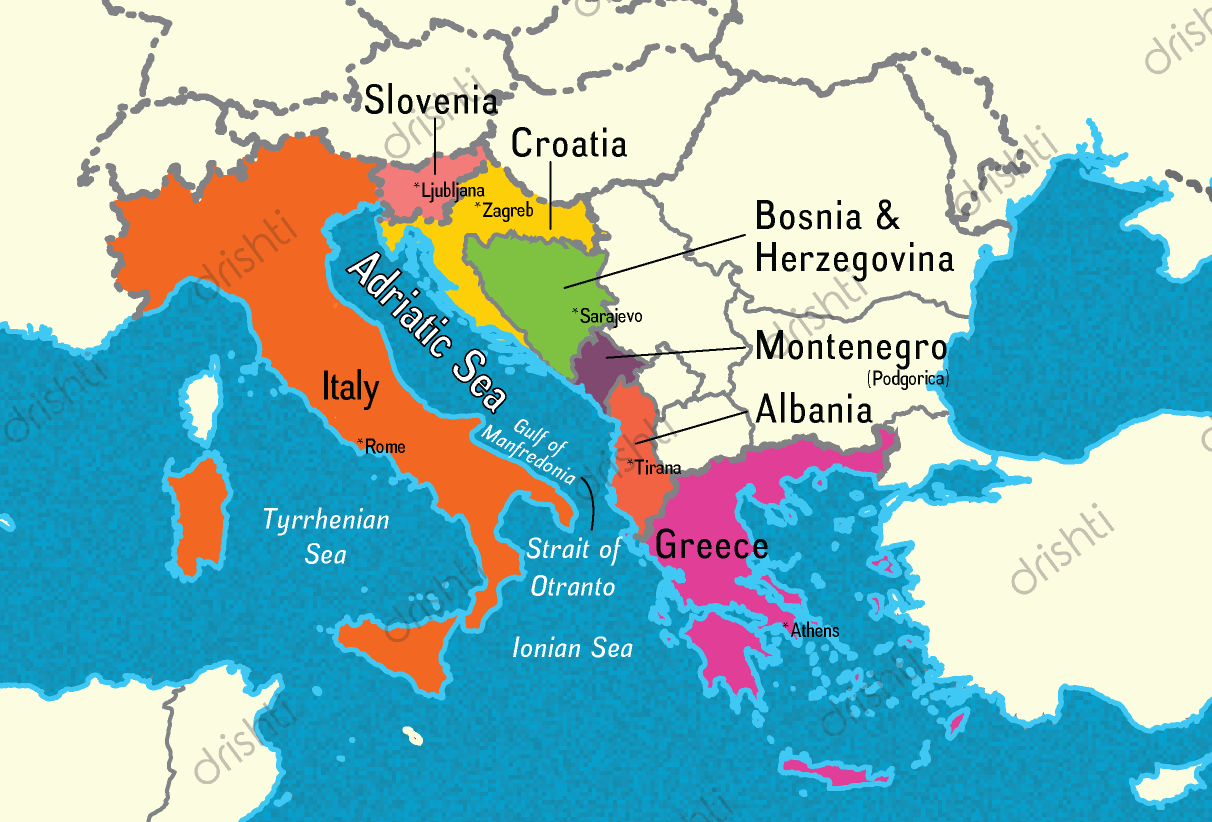
The India–Italy Business Forum 2025 in Mumbai reinforced bilateral trade and innovation within the Strategic Partnership, while advancing resilient supply chains and high-technology collaboration.
- Outcomes of the India–Italy Business Forum 2025: Signing of the Agreed Minutes of the 22nd India–Italy Joint Commission for Economic Cooperation (JCEC), providing a clear and structured roadmap for future bilateral collaboration.
- Italy-India Joint Strategic Action Plan 2025-2029: Announced in 2024, it sets a roadmap for cooperation in Artificial Intelligence, cybersecurity, renewables, telecom, biotechnology, and mobility, aiming for concrete gains in technology transfer, innovation, and coordinated bilateral engagement.
India - Italy Economic Relations
- Italy is India’s 4th largest European Union trading partner, with bilateral trade touching USD 13.76 billion in 2024–25 with India’s exports at USD 7.73 billion.
- Italy ranks 19th in FDI inflows into India (2000–2025) with USD 3.61 billion, mainly in automobiles, trading, machinery, services, and electrical equipment.
- Services trade is growing, with India emerging as a rapidly expanding market for Italian service exports and a strong supplier of IT and professional services.
| Read more: India-Italy Migration and Mobility Agreement |
Rapid Fire
Genocide Convention, 1948
The Convention on the Prevention and Punishment of the Crime of Genocide (Genocide Convention), adopted by the United Nations General Assembly (UNGA) on 9th December 1948, remains a cornerstone of international law, criminalising acts of genocide for the first time globally.
- The Convention entered into force on 12th January 1951, making it legally binding on ratifying states.
- Definition of Genocide (Article II): Genocide comprises acts committed with intent to destroy, in whole or in part, a national, ethnic, racial, or religious group. It can occur in peace or war.
- Membership: Ratified by 153 States. India signed in 1949 and ratified in 1959 but has not enacted domestic legislation on the subject.
- Obligations on State under Convention: States must prevent and punish genocide, including enacting relevant legislation and prosecuting perpetrators.
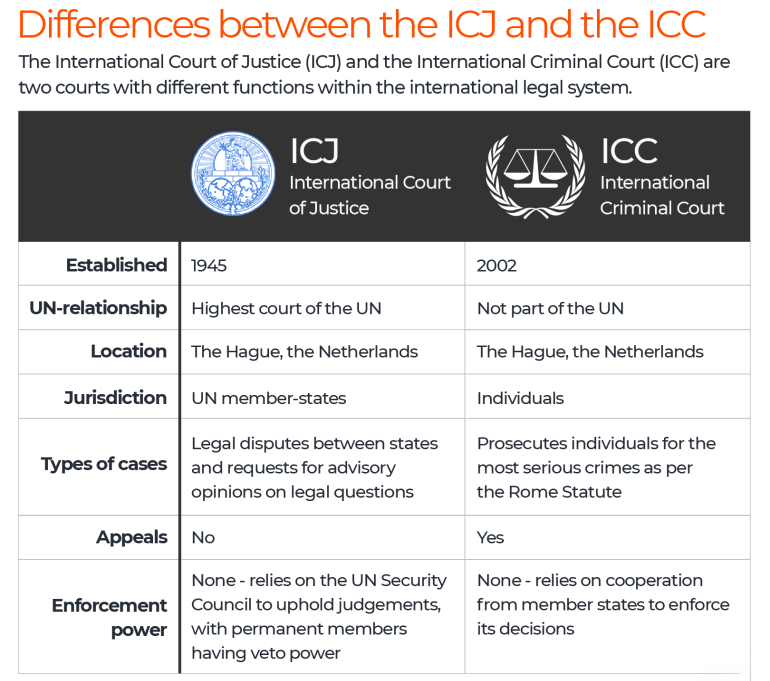
- Jurisdiction: Disputes regarding interpretation or application of the Convention are heard by the International Court of Justice (ICJ).
- Global Impact: The Convention’s definition has influenced both national laws and international treaties, including Article 6 of the Rome Statute International Criminal Court (ICC).
| Read More: Genocide Convention |