


Rapid Fire
Genocide Convention, 1948
- 13 Dec 2025
- 1 min read
The Convention on the Prevention and Punishment of the Crime of Genocide (Genocide Convention), adopted by the United Nations General Assembly (UNGA) on 9th December 1948, remains a cornerstone of international law, criminalising acts of genocide for the first time globally.
- The Convention entered into force on 12th January 1951, making it legally binding on ratifying states.
- Definition of Genocide (Article II): Genocide comprises acts committed with intent to destroy, in whole or in part, a national, ethnic, racial, or religious group. It can occur in peace or war.
- Membership: Ratified by 153 States. India signed in 1949 and ratified in 1959 but has not enacted domestic legislation on the subject.
- Obligations on State under Convention: States must prevent and punish genocide, including enacting relevant legislation and prosecuting perpetrators.
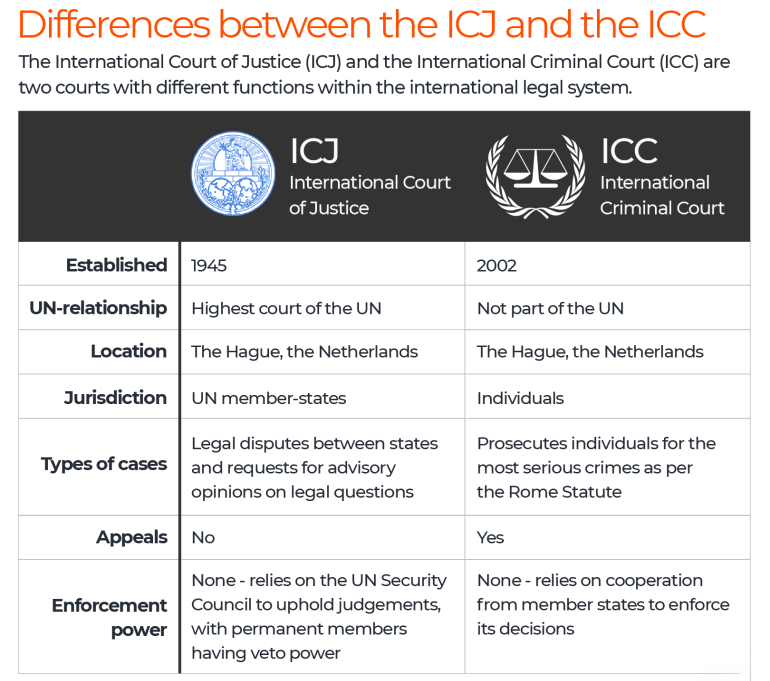
- Jurisdiction: Disputes regarding interpretation or application of the Convention are heard by the International Court of Justice (ICJ).
- Global Impact: The Convention’s definition has influenced both national laws and international treaties, including Article 6 of the Rome Statute International Criminal Court (ICC).
| Read More: Genocide Convention |



