Governance
SC Allows 1st Passive Euthanasia in Harish Rana Case
For Prelims: Supreme Court, Primary and Secondary Medical Boards, Bharatiya Nyaya Sanhita (BNS), 2023, Article 21 (Right to Life), Law Commission of India, High Court, National Health Mission 2013, Ayushman Bharat, National Programme for Non-Communicable Diseases 2010, National Programme for Health Care of the Elderly 2010, Pradhan Mantri Jan Arogya Yojana (PM-JAY), Ayushman Vay Vandana Scheme, Pradhan Mantri Ayushman Bharat Health Infrastructure Mission.
For Mains: Key observations of the Supreme Court in Harish Rana Case 2026, Key facts regarding Euthanasia, Key arguments for and against legalizing Euthanasia and way forward.
Why in News?
The Supreme Court (SC), in Harish Rana vs Union of India Case (2026), permitted passive euthanasia by allowing withdrawal of life support, marking the first application of the 2018 Common Cause judgment recognising the right to die with dignity.
Summary
- The Supreme Court of India allowed passive euthanasia for Harish Rana, a 32-year-old man in a permanent vegetative state for over 13 years, permitting withdrawal of life-sustaining treatment under medical supervision.
- The ruling applies earlier guidelines recognising the right to die with dignity under Article 21, marking India’s first court-approved implementation of passive euthanasia.
What are the Key Observations of the Supreme Court in Harish Rana Case 2026?
About the Case
- Harish Rana was a 19-year-old student in Chandigarh when he fell from a fourth-floor building in August 2013. The accident caused catastrophic brain injuries, leaving him in a Permanent Vegetative State (PVS) with 100% quadriplegia (paralysis of all four limbs).
- For nearly 13 years, he was sustained solely through Clinically Assisted Nutrition and Hydration (CANH) via surgically installed PEG tubes, with no sign of improvement. After the Delhi High Court dismissed his father's plea in 2024, the family approached the Supreme Court, which finally permitted passive euthanasia.
Key Observations of SC
- Acceptance of Medical Boards' Recommendations: The SC accepted the unanimous recommendation of medical boards and family members to withdraw life support and directed All India Institute of Medical Sciences, Delhi, to admit Harish Rana to its palliative care department and formulate a "robust, palliative, and end-of-life care plan."
- It emphasized that withdrawal must be carried out in a humane manner, managing pain and symptoms to ensure the patient's dignity is preserved and that it does not amount to "abandonment" of the patient.
- Status of Clinically Administered Nutrition (CAN): SC held that Clinically Administered Nutrition (CAN) administered through PEG (percutaneous endoscopic gastrostomy) tubes constitutes "medical treatment", not merely basic care.
- Therefore, its withdrawal falls within the scope of passive euthanasia and can be approved by the medical boards if it is not in the patient's best interest.
- Waiver of Reconsideration Period: To prevent unnecessary suffering, the SC waived the standard 30-day reconsideration period, allowing for the immediate implementation of the medical boards' decision to withdraw CAN.
Procedural Directives for Future Cases
To streamline the process nationwide, the SC issued specific directions:
- Streamlining Process: High Courts must instruct all Judicial Magistrates to receive and process hospital intimations regarding medical board decisions on passive euthanasia.
- The Union Government of India must ensure that Chief Medical Officers (CMOs) in all districts maintain a panel of Registered Medical Practitioners to serve on Secondary Medical Boards.
- Need for Comprehensive Legislation: The SC strongly urged the Union Government to enact a comprehensive law on end-of-life care. It warned that in the absence of such legislation, decisions are vulnerable to extraneous factors like financial distress, lack of insurance, or socio-economic vulnerability, which may impermissibly shape outcomes.
Living Will
- The SC defined a living will (advance medical directive) in the Common Cause v. Union of India (2018) as a written document that allows a patient to give explicit instructions in advance about the medical treatment to be administered when he or she is terminally ill or no longer able to express informed consent. It includes authorising their families to switch off life support in case a medical board declared that they were beyond medical help.
- The ruling significantly expanded patient autonomy by allowing individuals to retain control over end-of-life medical decisions even when they cannot communicate their wishes.
What is Euthanasia?
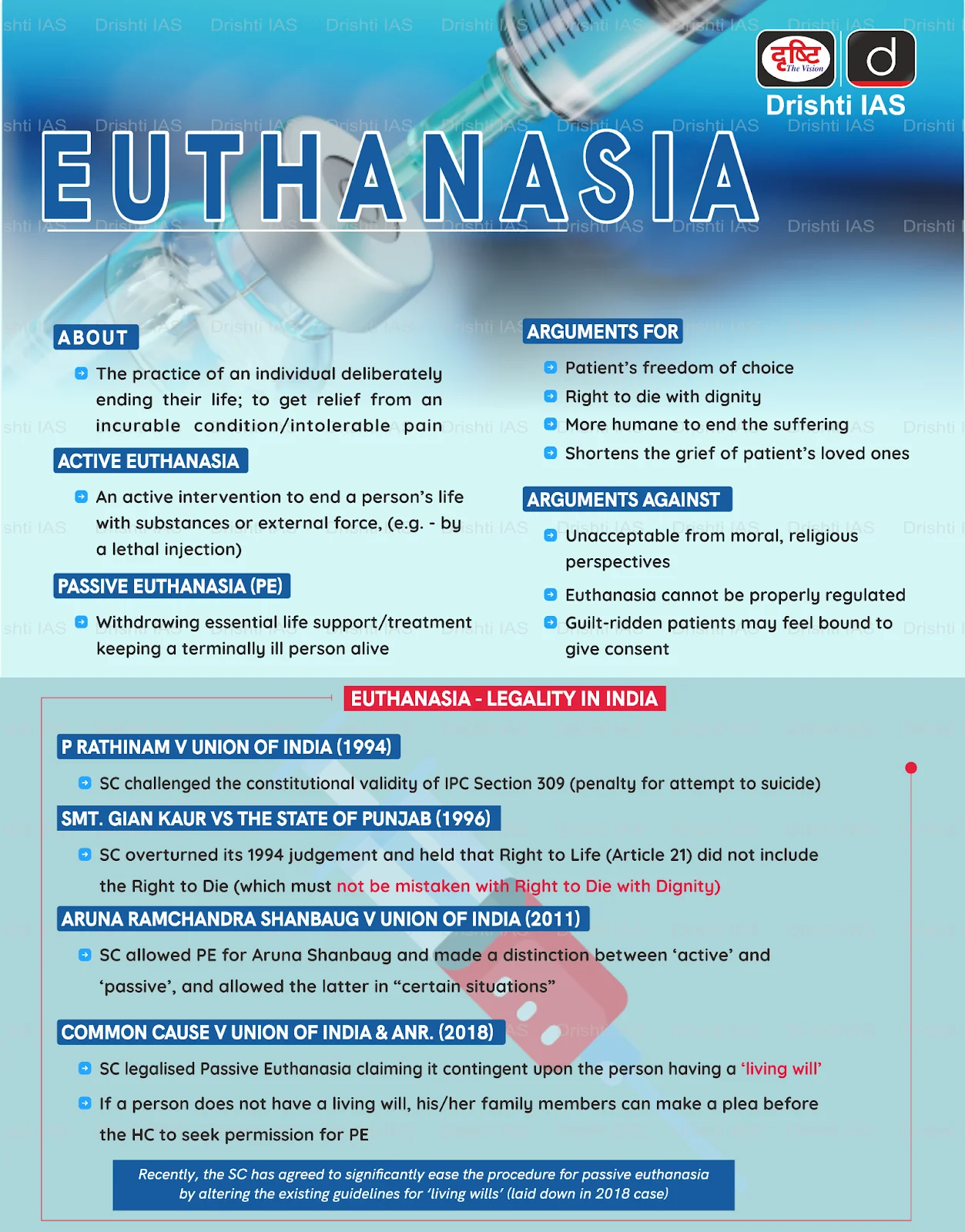
- About: Euthanasia is the deliberate, intentional act of ending a person's life in order to relieve them from persistent, unbearable suffering caused by an incurable or terminal illness, a condition of irreversible coma, or a persistent vegetative state.
- The term derives from Greek roots meaning "good death" (eu for good and thanatos for death) and is often framed as an act of mercy aimed at preserving dignity in the final stages of life.
- Classifications: It is primarily classified into two forms i.e., Active Euthanasia (a deliberate act, such as a lethal injection, to cause death) and Passive Euthanasia (withholding or withdrawing of life-sustaining medical treatment, allowing natural death to occur). These are further divided based on consent:
- Voluntary: Performed with the patient's explicit consent.
- Non-voluntary: Performed when the patient is incompetent to consent (e.g., coma).
- Involuntary: Performed without the patient's consent, which is widely illegal.
- Statutory Framework: Indian law draws a clear distinction between active and passive euthanasia.
- Active euthanasia remains explicitly prohibited under the Bharatiya Nyaya Sanhita (BNS), 2023, where intentionally causing death is treated as an offence under Section 100 (culpable homicide) or Section 101 (murder).
- However, the SC has legalized passive euthanasia in the Common Cause v. Union of India (2018) Case by recognizing the right to die with dignity as an integral part of Article 21 (Right to Life).
- The 241st Law Commission of India Report further clarified that a competent patient's refusal of life-sustaining treatment is legally valid, and doctors following such wishes cannot be charged with abetment or culpable homicide.
- Judgments Shaping Euthanasia in India:
- Maruti Shripati Dubal v. State of Maharashtra (1987): The Bombay High Court ruled that the right to die is inherent in Article 21 (Right to Life), permitting terminally ill patients or those in persistent severe pain to end their lives.
- Gian Kaur v. State of Punjab (1996): The SC reversed the above ruling and held that the right to life does not include the right to die, and emphasized the preservation of life.
- Aruna Shanbaug v. Union of India (2011): SC permitted passive euthanasia under strict legal and medical safeguards, even for patients unable to consent, marking a significant shift.
- Common Cause v. Union of India (2018): SC recognized the right to die with dignity, distinguished active euthanasia (not permitted) from passive euthanasia (permitted), and legally validated living wills (advance medical directives).
- Legal Process for Passive Euthanasia: The 2018 Common Cause guidelines, modified by the Supreme Court in 2023, establish a two-stage medical review process for passive euthanasia:
- Primary Medical Board: Formed by the hospital and consists of the treating physician and 2 independent doctors with at least 5 years of experience (reduced from 20 years).
- Secondary Medical Board: Comprises 3 independent doctors from a panel maintained by the District Medical Officer, who review the decision of the primary board.
- Both boards must provide their opinion, preferably within 48 hours, and their decision to withdraw treatment must be communicated to the Judicial Magistrate First Class (JMFC) along with the consent of the patient's family or guardian.
- Global Perspectives on Euthanasia: The legal status of euthanasia varies, with the Netherlands allowing both active euthanasia and assisted suicide; Switzerland permitting assisted suicide only, and Italy allowing passive euthanasia.
What are the Key Arguments For and Against Legalizing Euthanasia?
|
Category |
Arguments in Favor of Legalization |
Arguments Against Legalization |
|
Autonomy & Rights |
Individuals possess a fundamental right to self-determination, including control over their body and the timing/manner of death. Denying this infringes on personal liberty and dignity. |
There is no recognized "right to be killed"; the right to life (protected in constitutions and human rights frameworks) does not extend to a right to demand intentional termination by others. |
|
Compassion & Suffering |
In cases of terminal illness, euthanasia provides a merciful end, preventing prolonged agony and allowing a dignified death. |
Modern palliative care and pain management can effectively alleviate most suffering; euthanasia is unnecessary when high-quality end-of-life care is available and properly funded. |
|
Dignity & Quality of Life |
Prolonging life without meaningful quality can constitute cruelty; euthanasia permits controlled, peaceful exit rather than forced endurance. |
Human life holds intrinsic value regardless of perceived quality; legalizing euthanasia risks devaluing lives of the disabled, elderly, or chronically ill, implying some lives are "not worth living." |
|
Regulation & Safeguards |
With strict criteria (e.g., terminal illness, competent consent, multiple medical opinions), euthanasia can be safely regulated, as demonstrated in jurisdictions like India, the Netherlands, Belgium, and Canada. |
Experience in permissive jurisdictions shows a "slippery slope". Eligibility may extend beyond terminal cases to include non-terminal conditions, and mental illness, leading to involuntary or non-voluntary cases. |
|
Burden on Others |
Allows patients to avoid burdening family or society with prolonged care; reduces emotional and financial strain on loved ones. |
Legalization increases pressure on vulnerable individuals to choose death due to feelings of being a "burden" (e.g., rising percentages in Oregon,USA cite this factor), potentially masking coercion or inadequate support. |
|
Medical Profession |
Aligns with physicians' duty to relieve suffering; in hopeless cases, ending life compassionately fulfills a broader healing role. |
Contradicts core medical ethics (e.g., Hippocratic Oath: "do no harm") and the physician's role as healer/preserver of life; erodes patient trust and professional integrity. |
How can India Build a Better Support System for Terminally Ill Patients?
- Establish a National Palliative Care Mission: A dedicated National Palliative Care Mission, modelled on the National Health Mission 2013, should be launched to train healthcare workers and set up pain relief clinics.
- Ensure essential drugs like oral morphine (manage severe, chronic, or cancer-related pain) are available in every district.
- Integrated Public Health Systems: Palliative care must be integrated across all levels of healthcare—from Primary Health Centres (PHCs) to district hospitals—and coordinated with programmes such as Ayushman Bharat, the National Programme for Non-Communicable Diseases 2010, and the National Programme for Health Care of the Elderly 2010.
- Legal Literacy and Living Wills: Mass awareness campaigns must educate citizens about Advanced Directives (Living Wills). Hospitals should employ trained "patient advocates" to discuss end-of-life wishes with families.
- Strengthen Family and Community Support Systems: A comprehensive "Caregiver Support" model must provide respite care services, home care training, and psychological counselling for families.
- Community-based care should be revived by training local volunteers, replicating Kerala-based Neighbourhood Network in Palliative Care (providing home-based care for the chronically ill and dying).
- Ensure Financial Protection: Outpatient, home-based, and hospice palliative care must be fully incorporated into Pradhan Mantri Jan Arogya Yojana (PM-JAY) and the Ayushman Vay Vandana Scheme for senior citizens, covering essential medications, symptom management, and caregiver support to reduce catastrophic health expenditure.
- Leverage Technology: Tele-palliative care services should be expanded for rural areas using digital tools under Ayushman Arogya Mandirs. Robust monitoring mechanisms must track opioid availability and patient outcomes, supported by data from the Pradhan Mantri Ayushman Bharat Health Infrastructure Mission.
Conclusion
The Harish Rana case 2026 represents a compassionate evolution of Indian jurisprudence on end-of-life care. While legally permitting passive euthanasia under strict guidelines, the Supreme Court rightly emphasized building a palliative care support system. The path forward requires comprehensive legislation, streamlined procedures, and universal access to pain management to ensure dignity in death for all citizens.
|
Drishti Mains Question: Examine the legal and ethical dimensions of euthanasia. What are the arguments for and against its legalization? |
Frequently Asked Questions (FAQs)
1. What did the Supreme Court rule in the Harish Rana Case (2026)?
The Supreme Court permitted passive euthanasia by allowing withdrawal of Clinically Administered Nutrition (CAN) after approval by medical boards, reaffirming the right to die with dignity under Article 21.
2. What was the significance of the Common Cause v. Union of India (2018) judgment?
It legally recognized the right to die with dignity, validated living wills (advance medical directives), and established guidelines for passive euthanasia in India.
3. What is palliative care?
Palliative care is specialized medical care focused on relieving pain, symptoms, and stress of serious illness, aiming to improve quality of life for patients and their families.
UPSC Civil Services Examination, Previous Year Questions (PYQs)
Prelims
Q. Right to Privacy is protected as an intrinsic part of Right to Life and Personal Liberty. Which of the following in the Constitution of India correctly and appropriately imply the above statement? (2018)
(a) Article 14 and the provisions under the 42nd Amendment to the Constitution.
(b) Article 17 and the Directive Principles of State Policy in Part IV.
(c) Article 21 and the freedoms guaranteed in Part III.
(d) Article 24 and the provisions under the 44th Amendment to the Constitution.
Ans: (c)
Mains
Q. In order to enhance the prospects of social development, sound and adequate health care policies are needed particularly in the fields of geriatric and maternal health care.Discuss. (2020)


Indian Economy
Farm Loan Waivers in India
For Prelims: Reserve Bank of India, Non-Performing Assets, Pradhan Mantri Kisan Samman Nidhi, Pradhan Mantri Fasal Bima Yojana.
For Mains: Agrarian distress and farmer indebtedness in India, Fiscal implications of farm loan waivers on state finances, Impact of loan waivers on banking sector and credit culture
Why in News?
The Government of Maharashtra announced a Rs 35,000 crore Punyashlok Ahilyadevi Holkar Farmers Loan Waiver Scheme, raising concerns about its impact on credit discipline, fiscal stability, and the long-term health of agricultural finance.
- It is Maharashtra’s third farm loan waiver in a decade, waiving overdue crop loans up to Rs 2 lakh (as of 30th Sept 2025), with up to Rs 50,000 incentives for regular loan repayers.
- The move comes despite repeated warnings from the Reserve Bank of India (RBI) and expert committees that frequent waivers may weaken the rural credit ecosystem.
Summary
- Farm loan waivers provide short-term relief to distressed farmers, helping them escape debt traps and boost rural demand, but repeated waivers undermine credit discipline, increase bank NPAs, and strain state finances.
- Long-term solutions lie in structural reforms such as direct income support, stronger crop insurance, better agricultural infrastructure, improved market access, and affordable institutional credit, rather than recurring debt waivers.
What is the Historical Context of Farm Loan Waivers in India?
- Farm Loan Waiver: A farm loan waiver is a government measure where the state repays farmers’ agricultural loans to banks and financial institutions.
- It is used as a relief step during agrarian distress caused by crop failures, natural disasters, or price crashes.
- Types of Farm Loan Waiver:
- Complete (Blanket) Waiver: The government writes off the entire outstanding loan for all farmers, regardless of loan amount or landholding size. It is rare due to the heavy fiscal burden.
- Partial Waiver: Loans are waived only up to a fixed limit (e.g., ₹1–2 lakh per farmer). Any amount above the cap must be repaid by the farmer.
- Targeted Waiver: Relief is limited to specific groups, such as small and marginal farmers, farmers in disaster-affected areas, or only certain loan types like short-term crop loans.
- Interest Waiver: Only the interest or penal interest on the loan is waived, while the farmer still has to repay the principal amount.
- Central Initiatives: The first major nationwide waiver was the Agriculture and Rural Debt Relief Scheme (ARDRS), 1990, providing relief up to Rs 10,000 per farmer (costing around Rs 10,000 crore at the time).
- This was followed by the Agricultural Debt Waiver and Debt Relief Scheme (ADWDRS), 2008, which cost Rs 52,500 crore and targeted higher relief for small and marginal farmers (up to 5 acres).
- The State-Led Surge: Since 2014-15, the trend has shifted dramatically to state governments.
- Various state governments, including Andhra Pradesh, Telangana, Uttar Pradesh, Maharashtra, Karnataka, Punjab, Madhya Pradesh, Chhattisgarh, Jharkhand, and Tamil Nadu, have announced loan waivers aggregating to Rs 2.5 lakh crore (roughly 1.4% of the 2016-17 GDP).
- Total Expenditure: Over the last 35 years, the Central and state governments combined have spent a staggering Rs 3 lakh crore on various farm loan waiver schemes.
What are the Implications of Rising Farm Loan Waivers?
Positives
- Immediate Financial Relief: Provides quick support to farmers facing distress due to crop failures, droughts, or sudden price crashes.
- Breaking the Debt Trap: Clearing institutional loan arrears can help farmers regain eligibility for fresh credit for the next cropping season.
- Boost to Rural Demand: Reduced debt repayments temporarily increase disposable income and rural consumption.
- Psychological Relief: In 2023, more than 10,700 people from the farming sector died by suicide, mainly due to financial distress and related pressures.
- Farm loan waivers ease the mental stress of overwhelming debt, which in severe agrarian crises can help reduce farmer suicides linked to indebtedness.
Negatives
- Destruction of Credit Culture: When waivers are announced or even anticipated, honest farmers stop repaying their loans, hoping their debts will also be cleared.
- This destroys credit discipline and encourages strategic, intentional defaults.
- Spike in Non-Performing Assets (NPAs): As repayment stops, banks are burdened with bad loans.
- Agricultural Gross Non-Performing Assets (NPAs) stood at a concerning 8.44% as of March 2019. Data shows NPAs spiked in almost all states that announced waivers in 2017-18 and 2018-19.
- Consequently, banks become highly risk-averse and hesitate to issue fresh loans to farmers for their next crop cycle.
- Fiscal Squeeze: The RBI's Internal Working Group (2019) noted that waivers consume massive portions of state budgets (ranging from 0.1% to 1.8% of GSDP).
- This drastically reduces the fiscal space available for productive capital expenditure in agricultural infrastructure (like irrigation, cold storage, and rural roads) that would permanently increase farm incomes.
- Poor Targeting and Implementation: According to SBI research, only about 50% of eligible farmers actually received their promised waiver amounts between 2014 and 2022.
- Furthermore, experts like former RBI Governor Raghuram Rajan have pointed out that these waivers often benefit the most well-connected farmers who have access to formal banking, rather than the poorest, landless laborers who rely on informal moneylenders.
- A Political Tool, Not a Cure: Waivers act merely as a temporary band-aid. They provide relief for one season but leave the farmer exposed to the exact same market and climate risks the next year.
- Because they are overwhelmingly timed around elections (8 out of 10 state waivers since 2014 were announced within 90 days of an election result), they are viewed as political tools rather than genuine economic solutions.
- Crowding out of private investment: Higher government borrowing raises interest rates, crowding out private sector credit and investment.
What are the Alternatives to Farm Loan Waivers?
- Direct Income Support to Farmers: Provide regular income transfers to farmers instead of one-time waivers.
- Schemes like Pradhan Mantri Kisan Samman Nidhi ensure predictable income support and reach a wider farmer base.
- Strengthening Crop Insurance: Improve coverage and timely payouts under Pradhan Mantri Fasal Bima Yojana. Insurance protects farmers from crop losses due to droughts, floods, pests, or extreme weather events.
- Investment in Agricultural Infrastructure: Increase public investment in irrigation, cold storage, warehousing, and rural logistics. Better infrastructure reduces post-harvest losses and improves farm productivity.
- Improving Market Access and Price Realisation: Strengthen platforms like e-NAM to ensure farmers get better prices through transparent market access. Expand value chains and food processing to increase farmers’ income.
- Affordable and Accessible Institutional Credit: Expand low-interest agricultural loans through schemes like Kisan Credit Card. This reduces farmers’ dependence on high-interest informal lenders.
- Climate-Resilient Agriculture: Promote drought-resistant seeds, micro-irrigation, and climate-smart farming practices to reduce vulnerability to weather shocks.
- Diversification of Rural Income: Encourage allied activities such as dairy, fisheries, horticulture, and agro-processing to reduce dependence on a single crop.
Conclusion
Farm loan waivers provide short-term relief but weaken credit discipline and strain public finances. Sustainable solutions require shifting from debt waivers to structural reforms that raise farm incomes through better infrastructure, stronger risk protection, and improved market access.
|
Drishti Mains Question: Farm loan waivers provide immediate relief but may weaken credit discipline and fiscal stability. Critically examine. |
Frequently Asked Questions (FAQs)
1. What was the Agriculture and Rural Debt Relief Scheme (ARDRS), 1990?
TheAgriculture and Rural Debt Relief Scheme was the first nationwide farm loan waiver programme that provided relief of up to ₹10,000 per farmer for loans from public sector banks and regional rural banks.
2. What was the Agricultural Debt Waiver and Debt Relief Scheme (ADWDRS), 2008?
TheAgricultural Debt Waiver and Debt Relief Scheme waived or reduced agricultural loans from multiple banking institutions, with higher relief targeted at small and marginal farmers.
3. Why does the RBI caution against frequent farm loan waivers?
TheReserve Bank of India warns that repeated waivers weaken credit discipline, increase agricultural NPAs, and discourage banks from extending fresh credit to farmers.
4. What is the objective of the PM-KISAN scheme?
ThePradhan Mantri Kisan Samman Nidhi provides direct income support to farmers through periodic cash transfers to strengthen farm incomes.
5. How does the Pradhan Mantri Fasal Bima Yojana help farmers?
ThePradhan Mantri Fasal Bima Yojana offers crop insurance against risks such as droughts, floods, pests, and extreme weather events, helping protect farmers from income losses.
UPSC Civil Services Examination Previous Year Question (PYQ)
Q1. Under the Kisan Credit Card scheme, short-term credit support is given to farmers for which of the following purposes? (2020)
- Working capital for maintenance of farm assets
- Purchase of combine harvesters, tractors and mini trucks
- Consumption requirements of farm households
- Post-harvest expenses
- Construction of family house and setting up of village cold storage facility
Select the correct answer using the code given below:
(a) 1, 2 and 5 only
(b) 1, 3 and 4 only
(c) 2, 3, 4 and 5 only
(d) 1, 2, 3, 4 and 5
Ans: (b)
Mains
Q. Given the vulnerability of Indian agriculture to vagaries of nature, discuss the need for crop insurance and bring out the salient features of the Pradhan Mantri Fasal Bima Yojana (PMFBY).(2016)


Important Facts For Prelims
No-Fault Compensation Policy for Covid-19 Vaccine Adverse Effects
Why in News?
The Supreme Court (SC) has directed the Union Government to formulate a "no-fault" liability compensation policy for those who suffered serious adverse effects or deaths following the Covid-19 vaccination drive.
What is the Supreme Court's Observation on Covid-19 Vaccine Adverse Effects Compensation Claims?
- No-Fault Liability Principle: The SC invoked the principle of no-fault liability, ruling that victims or their families are entitled to financial relief without having to prove negligence or intentional wrongdoing by the manufacturers or the State.
- This principle, already existing in Indian law (e.g., motor vehicle accidents), is a standard feature of vaccine injury schemes in countries like Australia, the United Kingdom and Japan.
- Rejection of Individual Litigation: The SC rejected the Centre’s argument that families should approach civil or consumer courts for damages for negligence or malfeasance against vaccine manufacturers.
- The SC said forcing citizens into "a multiplicity of individual legal battles" would lead to inconsistent outcomes and unequal access to relief, thereby undermining the right to equality under Article 14 of the Constitution.
- State's Positive Obligation: Relying on Article 21 (Right to Life, including Health), the SC asserted that the Constitution envisions the State as an "active guardian of welfare and dignity," not a distant spectator.
- Since the mass vaccination programme was a State-led public health intervention, the State bears a positive obligation to support those who suffered grave outcomes, no matter how rare (e.g., just 0.001 per one lakh doses in India for certain blood clotting disorders).
- The petitioners argued that while the drive was officially "voluntary," it was effectively made mandatory through administrative restrictions on unvaccinated individuals.
- Compensation Must Follow Surveillance: While refusing to set up a separate medical board, it held that existing Adverse Events Following Immunisation (AEFI) committees are adequate, but stressed that the State’s responsibility “cannot end at surveillance alone, and must extend to providing fair compensation.”
- The SC clarified that the compensation policy does not amount to an admission of liability by the Union government.
- Previous Judicial Stand:
- Gaurav Kumar Bansal vs Union of India Case, 2021: The SC directed the National Disaster Management Authority (NDMA) to recommend guidelines for ex gratia assistance for Covid-19 deaths, leaving the amount to the authority.
- Following this, the NDMA issued guidelines, fixing Rs 50,000 per deceased, payable by states from the State Disaster Response Fund.
- To prevent unfair denial, a simplified procedure was established i.e., deaths within 30 days of a positive test were treated as Covid-19 deaths, and district-level grievance redressal committees were set up to resolve disputes over death certificates.
- Jacob Puliyel vs Union of India Case, 2022: The SC had upheld the legality of the vaccine approval process and the government’s Adverse Events Following Immunisation (AEFI) monitoring mechanisms while ruling that bodily integrity is protected under Article 21 and no individual can be forcefully vaccinated.
- Gaurav Kumar Bansal vs Union of India Case, 2021: The SC directed the National Disaster Management Authority (NDMA) to recommend guidelines for ex gratia assistance for Covid-19 deaths, leaving the amount to the authority.
Side Effects of Covid-19 Vaccine
- Common Side Effects: These side effects occur frequently, are generally mild to moderate, and typically resolve within 1–3 days. E.g., fatigue or tiredness, headache, fever, etc.
- Rare Serious Adverse Effects: These side effects occur infrequently but have been confirmed through rigorous monitoring systems.
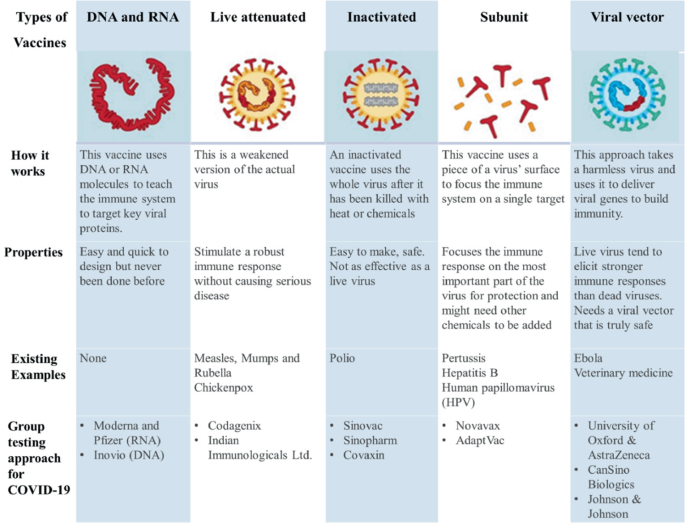
- Myocarditis and pericarditis: Inflammation of the heart muscle or its lining. Causally associated with mRNA vaccines (e.g., Pfizer-BioNTech, Moderna), most frequently observed in adolescent and young adult males after the 2nd dose.
- Thrombosis with thrombocytopenia syndrome (TTS): A rare clotting disorder with low platelets, primarily linked to certain viral vector vaccines (e.g., earlier formulations of AstraZeneca or Janssen).
Frequently Asked Questions (FAQs)
1. What is the "no-fault liability" principle ordered by the Supreme Court?
It means victims of COVID-19 vaccine injuries or their families are entitled to financial relief without having to prove negligence or intentional wrongdoing by the manufacturers or the State.
2. Which constitutional articles formed the basis of this Supreme Court judgment?
The judgment relied on Article 21 (Right to Life, including Health) and Article 14 (Right to Equality), holding that individual litigation would lead to inconsistent outcomes.
3. What are the two rare but serious adverse events associated with Covis-19 vaccines?
Myocarditis/pericarditis (heart inflammation), linked to mRNA vaccines in young males, and Thrombosis with Thrombocytopenia Syndrome (TTS), a rare clotting disorder linked to viral vector vaccines.
UPSC Civil Services Examination Previous Year Questions (PYQs)
Q. In the context of vaccines manufactured to prevent COVID-19 pandemic, consider the following statements: (2022)
- The Serum Institute of India produced COVID-19 vaccine named Covishield using mRNA platform.
- Sputnik V vaccine is manufactured using a vector-based platform.
- COVAXIN is an inactivated pathogen-based vaccine.
Which of the statements given above are correct?
(a) 1 and 2 only
(b) 2 and 3 only
(c) 1 and 3 only
(d) 1, 2 and 3
Ans: (b)
Q. With reference to recent developments regarding ‘Recombinant Vector Vaccines’, consider the following statements: (2021)
- Genetic engineering is applied in the development of these vaccines.
- Bacteria and viruses are used as vectors.
Which of the statements given above is/are correct?
(a) 1 only
(b) 2 only
(c) Both 1 and 2
(d) Neither 1 nor 2
Ans: (c)
Q. What is the importance of using Pneumococcal Conjugate Vaccines in India? (2020)
- These vaccines are effective against pneumonia as well as meningitis and sepsis.
- Dependence on antibiotics that are not effective against drug-resistant bacteria can be reduced.
- These vaccines have no side effects and cause no allergic reactions.
Select the correct answer using the code given below:
(a) 1 only
(b) 1 and 2 only
(c) 3 only
(d) 1, 2 and 3
Ans: (b)
Q. Which one of the following statements is not correct?(2019)
(a) Hepatitis B virus is transmitted much like HIV.
(b) Hepatitis B unlike Hepatitis C, does not have a vaccine.
(c) Globally, the number of people infected with Hepatitis B and C viruses arc several times more than those infected with HIV.
(d) Some of those infected with Hepatitis B and C viruses do not show the symptoms for many years.
Ans: (b)
Q. 'Mission Indradhanush' launched by the Government of India pertains to: (2016)
(a) Immunization of children and pregnant women
(b) Construction of smart cities across the country
(c) India's own search for Earth-like planets in outer space
(d) New Educational Policy
Ans: (a)


Rapid Fire
SC Clarifies OBC Creamy Layer Criteria
The Supreme Court (SC) of India has ruled that parental income alone cannot determine the “creamy layer” status of Other Backward Classes (OBCs) candidates, clarifying long-standing confusion in applying reservation rules in civil services examinations.
- Quashing the 2004 Clarificatory Letter: The judgement resolves confusion created by the 1993 Office Memorandum (OM) of the Department of Personnel and Training (DoPT) and the 2004 clarificatory letter.
- The 1993 DoPT OM had clearly stated that income from salaries and agricultural land should not be counted in the income/wealth test for creamy layer determination.
- However, the 2004 DoPT clarification directed inclusion of salary income of PSU/private sector employees, which resulted in unequal treatment between government employees’ children and PSU/private sector employees’ children.
- Status-Based over Income-Based: The SC held that creamy layer determination is status-based, not purely income-based, and must consider the parent’s employment status and post category (Group A/B/C/D), not just income.
- Constitutional Validity: The SC held that the government engaged in “hostile discrimination” by allowing children of lower-tier government employees to retain OBC reservation benefits based on the status of the parent’s post, even if salaries increased.
- Children of equivalent PSU/private sector employees were denied OBC reservation solely because parental salary crossed Rs 8 lakh, treating equals unequally and violating Articles 14, 15, and 16 of the Constitution.
- Relief for PSU/PSB Wards: The verdict may expand OBC reservation eligibility, especially for children of PSU employees and private sector workers previously excluded due to salary-based calculations.
- The Court also directed the government to create supernumerary posts if necessary to accommodate candidates wrongly excluded earlier.
- Creamy Layer: The concept of “creamy layer” was first applied in the 1992 Indra Sawhney vs Union of India judgment to exclude socially advanced OBCs from reservation benefits.
- Under Existing Rules: Children of Group A officers or those promoted before age 40 are excluded from the OBC quota.
- Children of two Group B officers also fall under the creamy layer.
- For non-government occupations, the income limit for creamy layer is Rs 8 lakh annually (since 2017).
- Under Existing Rules: Children of Group A officers or those promoted before age 40 are excluded from the OBC quota.
| Read more: Criterion for Deciding Creamy Layer |


Rapid Fire
India's 1st Comprehensive Checklist of Fireflies
Scientists compiled the first-of-its-kind checklist of Indian fireflies using more than 260 years of scattered scientific records, including documentation from 1881 to 2025, identifying 92 species across 27 genera.
- The checklist was created to address the lack of accessible modern literature on Indian fireflies and serve as a foundational reference for future taxonomic research.
Key Findings
- High Endemism: More than 60% of the documented species are endemic to India. Notably, over 50 species have not been recorded again since their original descriptions in the 1800s.
- Geographical Distribution: The study mapped firefly occurrences across 22 States and one Union Territory. The Western Ghats emerged as the richest habitat with 25.33% of species, followed by the North East (22.66%), Gangetic Plain (17.33%), and the Deccan Peninsula (13.33%). No fireflies were recorded in Desert and Semi-Arid zones.
Firefly
- About: Fireflies, often mistaken for flies or bugs, are actually soft-bodied beetles belonging to the family Lampyridae, within the order Coleoptera (beetles). They are renowned for their remarkable ability to produce light through bioluminescence.
- Bioluminescence Mechanism: The light is produced due to a chemical reaction involving the substrate luciferin, the enzyme luciferase, oxygen, and adenosine triphosphate (ATP). They possess a light-emitting organ called a photophore on the underside of their abdomen.
- The reaction produces "cold light" that is nearly 100% energy-efficient, generating virtually no heat. The light is typically yellow-green.
- Purpose of Bioluminescence: The primary function of bioluminescence in adult fireflies is mating communication, with each species possessing a unique flash pattern.
- In larvae (known as glowworms), the light serves as a warning signal (aposematism) to predators indicating distastefulness.
- Habitat and Behaviour: Fireflies inhabit moist, vegetated environments on every continent except Antarctica, preferring humid areas such as forests, fields, and wetlands. They are most active at dusk and night (crepuscular/nocturnal).
- Fireflies are declining rapidly due to light pollution and urbanisation, highlighting the need for research and conservation efforts.

| Read More: Fireflies as Ecological Indicators |


Rapid Fire
Peptide Therapy
The growing global interest in peptide-based therapies for treating diseases and enhancing wellness has raised both medical opportunities and safety concerns, prompting experts to call for greater caution and regulation.
- Peptides: They are short chains of amino acids, which are the fundamental building blocks of life.
- They are essentially smaller versions of proteins. While proteins typically consist of 50 or more amino acids folded into complex 3D shapes, peptides usually contain between 2 and 50 amino acids.
- Biological Role: In the human body, naturally occurring peptides act as crucial signaling molecules.
- They function as hormones, neurotransmitters, and local regulators, instructing cells on how to behave regarding metabolism, immune response, and tissue repair.
- Peptide Therapy: It uses synthetic or naturally derived peptides as medicines that mimic the body’s natural signaling molecules.
- These peptides bind to specific cell receptors in a “lock-and-key” mechanism, triggering targeted biological responses with fewer side effects compared to conventional drugs.
- Since peptides are easily broken down by digestive enzymes, most peptide therapies are administered through subcutaneous injections rather than oral tablets.
- Major Clinical Applications: Peptide-based medicines are increasingly used to treat conditions like diabetes, cancer, infertility, growth disorders, and hormonal diseases.
- A major example is GLP-1–based peptide drugs, widely used to regulate blood sugar and appetite in diabetes and obesity treatment.
- In oncology, peptides can target tumour receptors or deliver drugs directly to cancer cells, improving treatment precision.
- In regenerative medicine, peptides are being studied for tissue repair in muscles, nerves, and tendons.
- Peptides are also being explored in dermatology, wound healing, osteoporosis, cardiovascular diseases, and viral infections.
- The Danger of Misuse: Driven by trends in biohacking and anti-ageing, many people are self-injecting unapproved "research chemicals" bought online.
- Since these lack human clinical trials, they pose serious threats, including endocrine imbalances, metabolic disturbances, and severe cardiovascular risks.
| Read more: Bioactive Peptides |


Rapid Fire
Rollback of Seismic Code of 2025
The Bureau of Indian Standards (BIS) has withdrawn its 2025 seismic code (IS 1893) following concerns raised by the Ministry of Housing and Urban Affairs (MoHUA). The previous standard, IS 1893 of 2016, is now back in effect.
- MoHUA raised serious concerns, like huge construction cost escalation, estimated at 10-15% in Zones V and VI for buildings, and up to 50% for infrastructure projects and inadequate stakeholder consultation before finalising the code.
- The revision was based on advanced scientific methods like Probabilistic Seismic Hazard Assessment (PSHA), active fault mapping, and near-fault effects.
- Seismic Code: A seismic code is a set of regulations and standards designed to ensure that buildings and other structures can withstand the forces generated by earthquakes.
- Its primary purpose is to protect public safety by minimizing the risk of structural collapse, reducing property damage, and safeguarding lives during a seismic event.
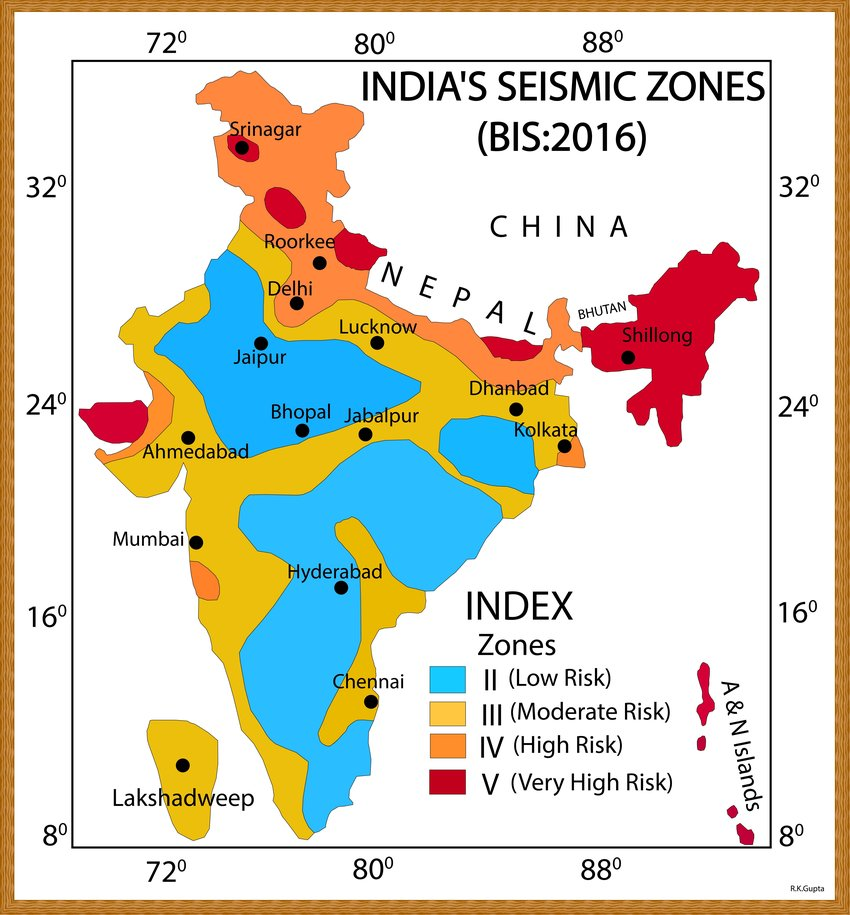
- Current Applicable Standard: As of March 2026, the seismic zonation of India is governed by IS 1893 (Part 1):2016, issued by the Bureau of Indian Standards (BIS).
- This standard divides the country into four seismic zones i.e., Zone II (Low), Zone III (Moderate), Zone IV (High), and Zone V (Very High), with approximately 59% of India's landmass considered prone to earthquakes.
| Read More: Earthquake |