


Rapid Fire
India's 1st Comprehensive Checklist of Fireflies
- 13 Mar 2026
- 4 min read
Scientists compiled the first-of-its-kind checklist of Indian fireflies using more than 260 years of scattered scientific records, including documentation from 1881 to 2025, identifying 92 species across 27 genera.
- The checklist was created to address the lack of accessible modern literature on Indian fireflies and serve as a foundational reference for future taxonomic research.
Key Findings
- High Endemism: More than 60% of the documented species are endemic to India. Notably, over 50 species have not been recorded again since their original descriptions in the 1800s.
- Geographical Distribution: The study mapped firefly occurrences across 22 States and one Union Territory. The Western Ghats emerged as the richest habitat with 25.33% of species, followed by the North East (22.66%), Gangetic Plain (17.33%), and the Deccan Peninsula (13.33%). No fireflies were recorded in Desert and Semi-Arid zones.
Firefly
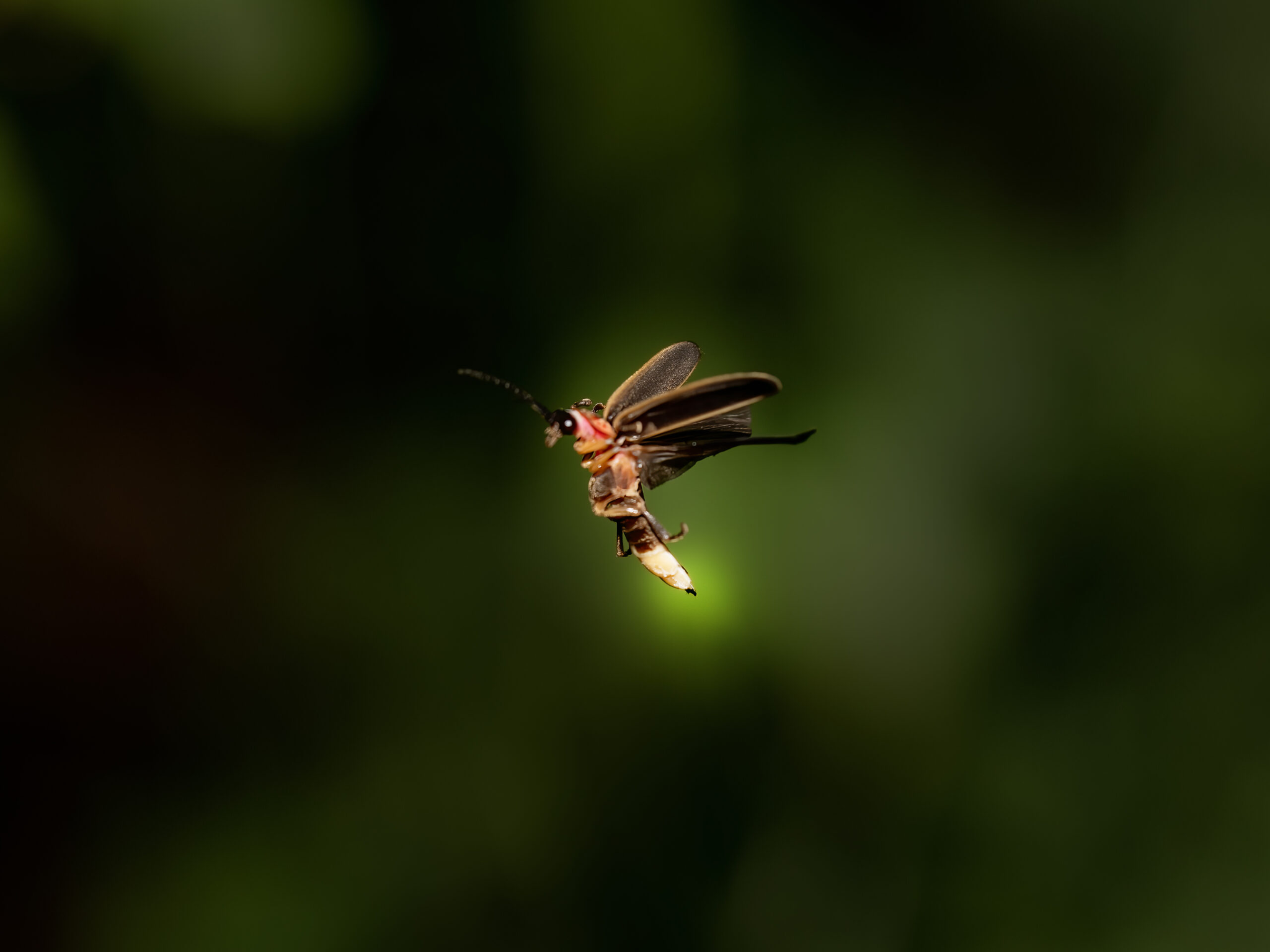
- About: Fireflies, often mistaken for flies or bugs, are actually soft-bodied beetles belonging to the family Lampyridae, within the order Coleoptera (beetles). They are renowned for their remarkable ability to produce light through bioluminescence.
- Bioluminescence Mechanism: The light is produced due to a chemical reaction involving the substrate luciferin, the enzyme luciferase, oxygen, and adenosine triphosphate (ATP). They possess a light-emitting organ called a photophore on the underside of their abdomen.
- The reaction produces "cold light" that is nearly 100% energy-efficient, generating virtually no heat. The light is typically yellow-green.
- Purpose of Bioluminescence: The primary function of bioluminescence in adult fireflies is mating communication, with each species possessing a unique flash pattern.
- In larvae (known as glowworms), the light serves as a warning signal (aposematism) to predators indicating distastefulness.
- Habitat and Behaviour: Fireflies inhabit moist, vegetated environments on every continent except Antarctica, preferring humid areas such as forests, fields, and wetlands. They are most active at dusk and night (crepuscular/nocturnal).
- Fireflies are declining rapidly due to light pollution and urbanisation, highlighting the need for research and conservation efforts.
| Read More: Fireflies as Ecological Indicators |



