International Relations
India–Jordan Relations
For Prelims: UPI, Digital Public Infrastructure, Organisation of Islamic Cooperation (OIC), India-Middle East-Europe Economic Corridor (IMEC), UNGA, PARAM Shavak, MSMEs.
For Mains: Key highlights of the India-Jordan relations and significance of Jordan for India, Challenges in India-Jordan relations and steps needed to strengthen the relations.
Why in News?
India's Prime Minister visited Jordan, engaging in extensive discussions with King Abdullah II of Jordan. This marks his first full-fledged bilateral visit to Jordan, having previously visited in February 2018 en route to Palestine.
Summary
- India’s Prime Minister’s landmark 2025 visit to Jordan, marking the 75th anniversary of diplomatic ties, sought to elevate a stable relationship into a future-oriented strategic alliance.
- The visit set ambitious goals such as a USD 5 billion trade target and digital payment integration, while recognizing challenges like a narrow economic base and geopolitical sensitivities in fully leveraging Jordan’s role in India’s West Asia policy.
What are the Key Outcomes of the Visit?
- 5 MoUs Signed between India and Jordan:
- MoU on Technical Cooperation in the Field of New and Renewable Energy.
- MoU on Cooperation in the field of Water resources Management & Development
- Twinning Agreement between Petra (ancient city in Jordan) and Ellora.
- Renewal of the Cultural Exchange Programme for the years 2025-2029.
- Letter of Intent on Cooperation in the field of sharing successful digital solutions implemented at population scale for digital transformation.
- Ambitious Trade Target: Both countries aim to enhance bilateral trade to USD 5 billion over the next 5 years. India is Jordan’s 3rd largest trading partner.
- Regional & Global Alignment: Leaders reiterated strong condemnation of terrorism and shared perspectives on ensuring regional peace and stability.
What is the Strategic Significance of Jordan for India’s West Asia Policy?
- Geopolitical Bridge: Jordan is a key pro-Western, modernizing Arab constitutional monarchy with a peace treaty with Israel.
- It serves as a vital diplomatic bridge enabling India to balance its ties with Israel, Arab states, and Iran without entrapment in sectarian divisions.
- Jordan hosts a large refugee population, primarily Syrians, and its sustained humanitarian role strengthens its position as a regional stabilizer.
- Counter-Terrorism Convergence: Engagement in forums like the Aqaba Process 2015, the 2018 defence MoU, and participation in Special Operations Forces Exhibition and Conference (SOFEX) underscore deepening military-to-military and counter-terrorism ties.
- Core Diplomatic Support: Jordan’s influence in the Organisation of Islamic Cooperation (OIC) provides valuable support for India’s multilateral interests, and helps counter narratives on Kashmir, given Jordan’s generally balanced stance.
- Jordan’s Role in Regional Stability: Jordan's custodianship of Jerusalem makes it central to de-escalation efforts, aligning with India's interest in regional stability and protecting its diaspora and trade routes.
- Corridor Logistics: Jordan is positioned as a linchpin in the India-Middle East-Europe Economic Corridor (IMEC), enhancing India’s trade connectivity and energy transition goals.
- It offers potential as a gateway for reconstruction and logistics in post-conflict Iraq and the Levant.
- During the Red Sea crisis, overland cargo routes from Gulf ports via Saudi Arabia and Jordan into Israel have emerged to bypass maritime chokepoints, underscoring Jordan's rising importance in resilient regional logistics.
Jordan
- Location & Borders: Strategically located in the Middle East, bordering Syria, Iraq, Saudi Arabia, Israel, and the West Bank.
- Physical Features: Dominated by desert (over 80% of land), with the fertile Jordan River Valley, and rocky highlands.
- Population: Predominantly Arab, with a significant Palestinian refugee population (about one-third). Majority Muslim with a Christian minority. Highly urbanized (75% in cities).
- Maritime Access: Gateway via the port of Aqaba to the Red Sea.
- Modern Formation: Established as Transjordan under British mandate (1920), gaining independence in 1946 under King Abdullah I of the Hashemite dynasty.
- Arab-Israeli Conflicts: Fought wars against Israel in 1948 and 1967, losing the West Bank and eastern part of Jerusalem, leading to large Palestinian refugee inflows.
- Peace & Stability: Renounced claims to the West Bank (1988) and signed a historic peace treaty with Israel in 1994 (Wadi Araba Treaty 1994).

What are the Pillars of the India-Jordan Bilateral Relationship?
- Diplomatic Engagement: Established in 1950, diplomatic ties are strengthened by regular summits (e.g., UNGA), mutual counter-terrorism support, as seen after the Pahalgam attack (2025), and shared concerns on regional stability.
- Trade & Economic Integration: India is Jordan’s 3rd largest trading partner, with bilateral trade of USD 2.875 billion in FY 2023-24.
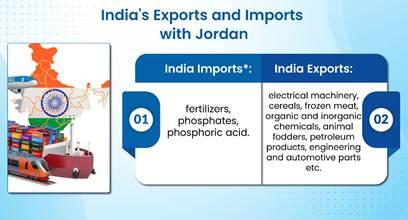
- Joint ventures like Jordan India Fertiliser Company (JIFCO) make Jordan a critical supplier of phosphates and potash for India’s agricultural security.
- Over 15 NRI-owned garment units in Jordan (investment ~USD 500 million) leverage trade agreements to access Western markets.
- Defence & Security Cooperation: India and Jordan signed an MoU on Defence Cooperation in 2018.
- Science & Technology Partnership: The India-Jordan Center of Excellence in IT at Al-Hussein Technical University is equipped with a supercomputer PARAM Shavak, which aims to train 3,000 Jordanian IT professionals. Indian master trainers upskill Jordanians in Cyber Security, AI, and Big Data Analytics.
- People-to-People Ties: Approximately 17,500 Indians in Jordan work in key sectors including healthcare, IT, and education. Strong cultural ties are maintained through Jordan's interest in Bollywood and events like the Jerash Festival.
- Personal Diplomacy: The Jordanian Crown Prince Al Hussein bin Abdullah II personally took the Indian PM to the Jordan Museum, showing the warm ties between India and Jordan.
What Challenges Constrain the Partnership Between India and Jordan?
- Structural Trade Imbalance: Trade is largely confined to a few commodities, with India importing phosphates and potash and exporting cereals and petroleum products, leaving the relationship vulnerable to price fluctuations. High-value and advanced technology exchanges remain minimal.
- Jordan’s economy continues to face notable constraints, including unemployment of around 21% and public debt approaching 90% of GDP as of 2024. These pressures limit fiscal flexibility, suggesting that substantial trade expansion may be challenging to realize in the near term.
- Geopolitical Sensitivities in West Asia: Jordan's foreign policy is heavily constrained by the Palestinian issue and Israel-related developments, making its external alignments highly sensitive during regional crises and complicating stable, long-term cooperation whenever West Asia escalates.
- Connectivity Gaps: The single Amman-Mumbai flight highlights limited people-to-people and business ties, especially compared to India's robust links with Gulf states. This sparse connectivity, coupled with Jordan's economic challenges, constrains growth in trade, investment, and tourism.
How can India and Jordan can Build a more Robust Bilateral Relationship?
- Diversify Economic Relationship: India and Jordan must move from commodity-centric trade to value-chain integration by establishing a Ministerial Strategic Economic & Technology Dialogue, focusing on investment, MSMEs, startups, and supply chains.
- Cooperation can also include sharing India's Digital Public Infrastructure (DPI) expertise to enable payment interoperability and scalable digital solutions in health and e-governance.
- Build a Green & Water-Secure Partnership: Given Jordan's existential challenges of water scarcity and energy transition, India can cooperate in solar and green hydrogen technologies. Collaboration can also extend to water recycling, desalination, smart irrigation, and climate-resilient agriculture.
- Gateway for Regional Stabilisation: India can partner with Jordan in establishing reconstruction supply chains, using it as a base for humanitarian aid, skilling, and health missions, and collaborating on multilateral development initiatives.
- Amplify Cultural Links: Jointly produce cultural content, film festivals, and archaeological collaborations (e.g., Petra–Ellora twinning). Promote Jordan as a film shooting destination for Bollywood and Indian OTT platforms.
- Enhance Connectivity: Incentivize direct flights (Amman–Delhi/Chennai) to boost tourism and business. Create a dedicated digital platform for e-commerce, tech startups, and virtual collaboration to connect businesses and academia.
Conclusion
India’s PM landmark visit elevates a stable 75-year partnership into an ambitious strategic alliance. By targeting trade diversification, digital integration, and deeper security cooperation, India and Jordan are poised to transform diplomatic goodwill into concrete, future-oriented outcomes.
|
Drishti Mains Question: Discuss the strategic significance of Jordan in India’s West Asia policy. How can cooperation in defense and security be enhanced to mutual benefit? |
Frequently Asked Questions (FAQs)
Q. What is the strategic importance of Jordan in India's West Asia policy?
Jordan acts as a vital geopolitical bridge, enabling India to balance ties with Israel, Arab states, and Iran. Its role in the Aqaba Process and as a potential logistics hub for IMEC enhances its significance.
Q. How does Jordan contribute to India’s agricultural security?
Through joint ventures like JIFCO, Jordan supplies phosphates and potash, essential for India’s fertilizer requirements.
Q. How do India and Jordan cooperate in the field of Science & Technology?
Through the India-Jordan Center of Excellence in IT (IJCOEIT) in Amman, which aims to train 3,000 Jordanian IT professionals using Indian expertise in AI, Cyber Security, and Big Data Analytics.
UPSC Civil Services Examination, Previous Year Question (PYQ)
Prelims
Q. Which one of the following countries of South-West Asia does not open out to the Mediterranean Sea? (2015)
(a) Syria
(b) Jordan
(c) Lebanon
(d) Israel
Ans: (b)
Q. The term “two-state solution” is sometimes mentioned in the news in the context of the affairs of (2018)
(a) China
(b) Israel
(c) Iraq
(d) Yemen
Ans: (b)
Mains
Q. “India’s relations with Israel have, of late, acquired a depth and diversity, which cannot be rolled back.” Discuss. (2018)

Facts for UPSC Mains
Deepening the Corporate Bond Market in India
Why in News?
NITI Aayog has released Deepening the Corporate Bond Market in India report emphasizing that a more efficient corporate bond market is crucial for expanding market access, improving liquidity, and enhancing investor participation.
Summary
- India’s corporate bond market has expanded but remains shallow and illiquid due to regulatory overlap, restrictive investment mandates, insolvency delays, and weak risk-management infrastructure.
- NITI Aayog recommends a 6-year roadmap of regulatory simplification, product innovation, and tech integration to build a ₹100–120 trillion market by 2030.
What is the Current State of India's Corporate Bond Market?
- Significant Growth, Yet Untapped Potential: The market has expanded from Rs 17.5 trillion in FY2015 to Rs 53.6 trillion in FY2025, growing at ~12% CAGR (Compound annual growth rate).
- However, at 15-16% of GDP, it remains shallow compared to peers like South Korea (79%) and Malaysia (54%).
- Concentrated and Institutional: Fundraising through bonds is now comparable to bank credit, but the market is dominated by private placements (98% of issuances) and top-rated (AAA/AA) borrowers.
- Participation from MSMEs, retail investors (<2%), and foreign portfolio investors is minimal.
- Liquidity Challenges: The secondary market is illiquid with a low annual turnover ratio (0.3), driven by a buy-and-hold approach by institutional investors like insurance and pension funds.
- Future Potential: With continued reforms and innovation, India’s corporate bond market could exceed Rs 100–120 trillion by 2030, becoming a pillar of financial stability and growth.
Why is a Deep Corporate Bond Market Essential for India?
- Viksit Bharat 2047 Requirement: India's ambition to become a USD 30 trillion economy with USD 18,000 per capita income requires a robust financial system capable of mobilizing long-term, low-cost capital at scale.
- Financial Architecture Balance: Plays a pivotal role in achieving a balanced, resilient financial architecture by expanding funding avenues, and lowering borrowing costs by creating a competitive, liquid marketplace where diverse issuers can access long-term capital directly from a wide pool of investors.
- Capital Formation Engine: Channels institutional and household savings into productive sectors, and facilitates development of risk management instruments like credit derivatives and securitization.
- Reducing Banking Sector Risk: Diversified funding sources reduce reliance on banks, enabling them to focus on priority sectors and MSMEs while mitigating non-performing asset (NPA) buildup and credit concentration risk.
- Strengthens Monetary Policy Transmission: A deep corporate bond market strengthens monetary policy transmission by allowing interest rate changes to pass through faster and more transparently via a well-defined yield curve.
- It also provides a reliable benchmark yield curve for pricing credit risk across the economy.
What are the Key Challenges in Developing a Deep Corporate Bond Market?
- Regulatory Overlap & Complexity: Multiple regulators (SEBI, RBI, Ministry of Corporate Affairs) lead to fragmented compliance, increased costs, and delays, especially for new instruments.
- Stringent Investment Mandates: Institutional investors (insurance, pension funds) are often restricted by regulation to invest primarily in high-rated (AA and above) papers, starving lower-rated corporates of funds.
- Limited enforcement capacity of debenture trustees and gaps in bondholder protection undermine investor confidence, especially in lower-rated debt.
- Weak Insolvency Recovery & Infrastructure: Despite the Insolvency and Bankruptcy Code (IBC), resolution processes face delays (average 713 days vs. 330-day mandate) and declining recovery rates, affecting investor confidence.
- High Costs & Tax Disincentives: High issuance/listing costs, complex Tax Deduction at Source (TDS) rules on interest, and less favourable capital gains tax treatment compared to equities make bonds less attractive.
- Underdeveloped Ecosystem: Shallow markets for risk-mitigation tools (like Credit Default Swaps), securities lending, and a fragmented data infrastructure hinder growth. It also reduces price transparency, constraining efficient risk assessment and trading activity.
Reforms Taken to Strengthen the Corporate Bond Market
- RBI: Launched tri-party repos, Partial Credit Enhancement (PCE), the Retail Direct platform, and the Voluntary Retention Route (VRR) for Foreign portfolio investment (FPI).
- Government: Enacted the IBC, launched the Corporate Debt Market Development Fund (CDMDF) as a safety net, and provided incentives for municipal bonds under AMRUT 2.0.
- Parliamentary Recommendations: The Select Committee of Lok Sabha has proposed fixing a 3-month time limit for the National Company Law Appellate Tribunal (NCLAT) to decide insolvency appeals.
- It recommended including registered value within the definition of service provider under the IBC, and inserting a clear definition for registered valuer.
- Additionally, it proposed allowing multiple resolution plans for a corporate debtor during the corporate insolvency resolution process (CIRP).
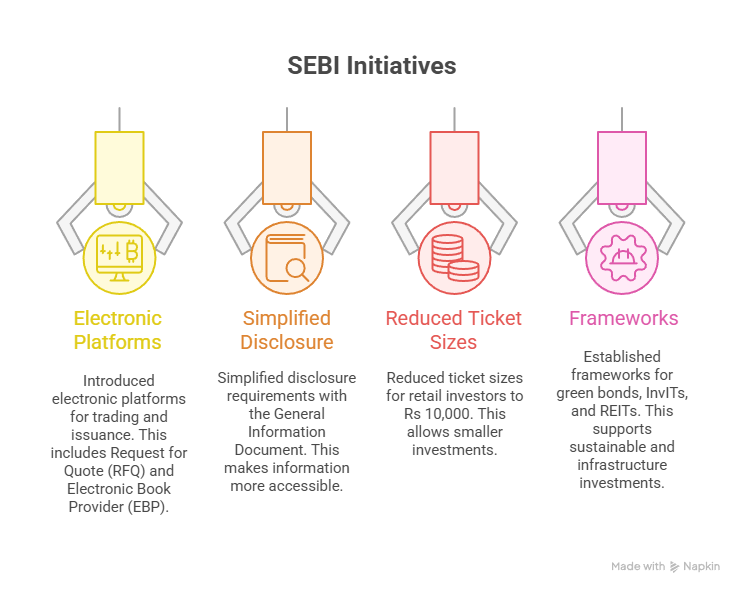
- SEBI Initiatives:
What is the Proposed Roadmap for Deepening the Corporate Bond Market as per NITI Aayog?
NITI Aayog proposes a 3-phase, 6-year reform strategy that prioritises regulatory simplification and strengthening of market infrastructure in the initial stages, before advancing toward deeper institutional reforms and global integration, thereby minimising systemic risks:
- Phase I (1-2 Years, Strengthen Foundations): Streamline regulations across SEBI, RBI, MCA. Enhance retail access via digital platforms and investor education.
- Improve insolvency timelines and strengthen debenture trustee roles.
- Pilot AI-driven credit scoring for Small and Medium Enterprises (SMEs) and encourage voluntary market-making.
- Phase II (2-4 Years, Expand & Innovate): Introduce innovative products like covered bonds (Backed by high-quality collateral like public-sector loans), targeted subsidy bonds, and fractional bond funds.
- Develop dedicated platforms for SME bonds and lower-rated debt.
- Review investment mandates for insurers/pension funds to allow more diversification.
- Phase III (4-6 Years, Integrate & Mature): Establish a unified bond market regulator or a high-powered statutory task force.
- Leverage advanced tech (Blockchain, AI) for a secure, digital bond ecosystem.
- Gradual integration with global settlement systems (e.g., Euroclear) to attract stable foreign capital and deepen market resilience.
Conclusion
India’s corporate bond market has expanded but remains shallow and fragmented, limiting its ability to mobilize long-term capital. Coordinated reforms in regulation, investor diversification, insolvency efficiency, and market infrastructure are essential to make it a Rs 100–120 trillion financing pillar for Viksit Bharat 2047.
|
Drishti Mains Question: Critically analyze the structural and regulatory challenges hindering the deepening of India’s corporate bond market. What measures have been taken, and what further reforms are needed? |
Frequently Asked Questions (FAQs)
Q. What is the size of India’s corporate bond market?
It stands at Rs 53.6 trillion (FY2025), about 15–16% of GDP, indicating significant growth but shallow depth compared to global peers.
Q. Why is secondary market liquidity low?
Dominance of buy-and-hold institutional investors like insurance and pension funds results in a turnover ratio of just 0.3.
Q. What is the projected potential size of India's corporate bond market by 2030?
With sustained reforms, the market has the potential to exceed ₹100-120 trillion by 2030.
UPSC Civil Services Examination, Previous Year Questions (PYQs)
Prelims
Q. Consider the following statements: (2018)
- Capital Adequacy Ratio (CAR) is the amount that banks have to maintain in the form of their own funds to offset any loss that banks incur if the account-holders fail to repay dues.
- CAR is decided by each individual bank.
Which of the statements given above is/are correct?
(a) 1 only
(b) 2 only
(c) Both 1 and 2
(d) Neither 1 nor 2
Ans: (a)
Q. ‘Basel III Accord’ or simply ‘Basel III’, often seen in the news, seeks to (2015)
(a) develop national strategies for the conservation and sustainable use of biological diversity
(b) improve banking sector’s ability to deal with financial and economic stress and improve risk management
(c) reduce the greenhouse gas emissions but places a heavier burden on developed countries
(d) transfer technology from developed countries to poor countries to enable them to replace the use of chlorofluorocarbons in refrigeration with harmless chemicals
Ans: (b)
Mains
Q. Do you agree with the view that steady GDP growth and low inflation have left the Indian economy in good shape? Give reasons in support of your arguments? (2019)


Indian Economy
Sabka Bima, Sabki Raksha Bill, 2025
For Prelims: Insurance, Insurance Regulatory and Development Authority of India (IRDAI), Foreign Direct Investment, Pradhan Mantri Jan Dhan Yojana, Atal Pension Yojana, Suraksha Bima Yojana
For Mains: Liberalisation of the insurance sector and its impact on financial inclusion, Role of FDI in strengthening India’s financial sector
Why in News?
The Lok Sabha has passed the Sabka Bima, Sabki Raksha (Amendment of Insurance Laws) Bill, 2025, proposing to raise the Foreign Direct Investment (FDI) limit in the insurance sector from 74% to 100%.
- The move is positioned as a key reform to deepen insurance coverage and advance the goal of “Insurance for All by 2047.”
Summary
- The Sabka Bima, Sabki Raksha Bill, 2025 allows 100% FDI in insurance, strengthens IRDAI’s regulatory powers, liberalises reinsurance, and aims to accelerate insurance penetration under the vision of “Insurance for All by 2047.”
- While the reform can attract global capital, technology, and innovation to India’s growing insurance market, concerns remain over foreign dominance, rural neglect, and the need to balance investor interests with policyholder protection.
What are the Key Provisions of the Sabka Bima, Sabki Raksha (Amendment of Insurance Laws) Bill, 2025?
- 100% FDI in Insurance: The Bill raises the foreign direct investment limit in insurance companies from 74% to 100%, allowing full foreign ownership to attract long-term capital, advanced technology, and global best practices.
- Amendments to Insurance Laws: It updates the Insurance Act, 1938, LIC Act, 1956, and Insurance Regulatory and Development Authority (IRDA) Act, 1999 to reflect sectoral reforms and regulatory strengthening.
- Reinsurance Liberalisation: The Net Owned Fund requirement of Foreign Reinsurance Branches is reduced from Rs 5,000 crore to Rs 1,000 crore, this aims to deepen the reinsurance market and promote India as a regional hub.
- Net Own Funds (NOF) refers to the minimum capital that a reinsurance entity must maintain as a financial buffer to ensure solvency and meet claim obligations.
- Policyholders’ Education and Protection Fund: It will be set up to promote insurance awareness and safeguard consumer interests, while policyholders’ data must be collected and protected in line with the Digital Personal Data Protection (DPDP) Act, 2023.
- Stronger Powers for IRDAI: The Bill significantly enhances IRDAI’s enforcement authority, enabling it to investigate violations, curb illegal commissions and rebates, and ensure stricter compliance by insurers and intermediaries.
- The IRDAI Chairperson can order searches, inspections, and seizures where records are withheld or tampered with.
- IRDAI can deploy officers to scrutinise returns, statements, and disclosures submitted by insurers, improving transparency and regulatory vigilance.
- Greater Autonomy for LIC: LIC is granted operational freedom to open new zonal offices without prior government approval, enabling quicker expansion and better regional management.
- Eased Compliance Regime: Procedural and compliance requirements are simplified to improve ease of doing business while maintaining consumer protection.
Limitations of Sabka Bima, Sabki Raksha (Amendment of Insurance Laws) Bill, 2025
- Critics argue that allowing 100% foreign ownership places citizens’ long-term savings in the hands of foreign corporations, raising concerns about national control over household financial security.
- There are worries that foreign insurers could prioritise profit repatriation and urban markets, neglecting rural and social sector needs.
- Critics also point to a trust deficit, as insurance relies heavily on public confidence in state-backed institutions.
- Also, the reform is perceived as a recalibration of the state’s role in social risk protection, with greater emphasis on shared responsibility rather than direct state provision.
Key Government Initiatives to Promote Insurance Penetration in India
- Pradhan Mantri Jan Arogya Yojana (PM-JAY): The largest health assurance scheme in the world, it provides health insurance cover of Rs 5 lakh per family per year for secondary and tertiary care to vulnerable households.
- Pradhan Mantri Jeevan Jyoti Bima Yojana (PMJJBY): It is a life insurance scheme providing coverage for death due to any cause. The eligible age to join the scheme is 18 to 50 years.
- Pradhan Mantri Suraksha Bima Yojana (PMSBY): An Accident Insurance Scheme offering accidental death and disability cover for death or disability on account of an accident.
- Jan Dhan–Aadhaar–Mobile (JAM) Trinity: Enables easy enrolment, premium payment, and direct benefit transfers, expanding insurance access.
What is the State of the Indian Insurance Sector?
- Market Size and Global Position: India is currently the 10th largest insurance market globally and the 2nd largest among emerging markets, with a market share of about 1.9%.
- As per Swiss Re, India is expected to become the 6th largest insurance market by 2032, overtaking major developed economies.
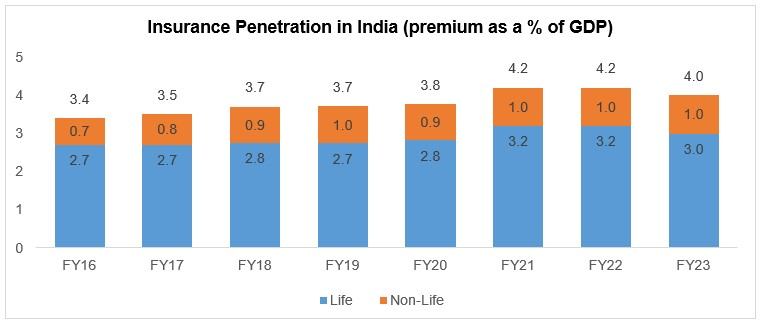
- Penetration and Density: Insurance penetration in India has been in a growing momentum from 3.4% in FY16 to 4.0% in FY23.
- The general insurance density (the per capita premium) rose from USD 9 in 2019 to USD 25 in FY23.
- The number of insurers rose from 53 in 2014–15 to 74 in 2024–25, reflecting deeper market participation.
- Total insurance premiums nearly tripled from Rs 4.15 lakh crore to Rs 11.93 lakh crore over the same period.
- Life Insurance Segment: India is the 5th largest life insurance market globally, growing at 32-34% annually.
- LIC remains as the largest player with around 60% market share, but private insurers are steadily gaining ground.
- Non-Life (General) Insurance Segment: India is currently the 4th largest general insurance market in Asia and the 14th-largest globally.
What are the Key Challenges in India’s Insurance Sector?
- Low Insurance Penetration: General insurance penetration in India remains relatively low at 1% of GDP, compared to a global average of 4.2% in 2023.
- Limited Rural and Informal Coverage: Urban and salaried segments dominate coverage, while rural areas, MSMEs, gig workers, and the unorganised workers remain largely uninsured.
- Product Mismatch: Insurance products are often complex and poorly tailored to the needs of low-income households and small businesses.
- Many products remain generic and poorly aligned with emerging risks like climate events, cyber risks, and pandemic-related losses.
- Mis-selling and Trust Deficit: Product complexity, opaque terms, delayed claim settlements, mis-selling by intermediaries, and complex policy terms weaken consumer confidence and lead to high grievance volumes.
- Limited Awareness: Large sections of the population still view insurance as an expense rather than a risk-management tool.
What Measures Needed to Strengthen India’s Insurance Sector?
- Leverage Technology and Digital Public Infrastructure: Encourage adoption of RegTech and SupTech tools for real-time compliance monitoring and risk assessment.
- Enhance the integration of insurance with India Stack (Aadhaar, e-KYC, DigiLocker, UPI) for faster onboarding, premium collection, and claim settlement.
- Use AI and data analytics for fraud detection, underwriting, and personalised products.
- Encourage Product Innovation and Risk Coverage: Promote insurance products for emerging risks such as cyber security, climate disasters, health pandemics, and supply-chain disruptions.
- Encourage usage-based and on-demand insurance, especially in motor and health segments.
- Align insurance growth with India’s goals of financial inclusion, climate resilience, and infrastructure financing.
- Deepen Insurance Penetration and Inclusion: Scale up social insurance schemes such as PMJJBY, PMSBY, PMFBY, and Ayushman Bharat to cover informal workers, gig economy participants, and MSMEs.
- Promote micro-insurance and parametric insurance for farmers, coastal communities, and climate-vulnerable regions.
- Use Self-Help Groups, PACS, CSCs, and post offices as last-mile insurance distributors.
- Policy Imperative: As India opens the insurance sector to foreign participation, the Insurance Amendment Bill must be backed by tighter regulation and vigilant oversight to safeguard policyholders and ensure market stability.
Conclusion
Allowing 100% FDI in insurance marks a bold and mature step in India’s financial sector reforms. It addresses the supply-side challenge of capital and expertise. The reform’s success will depend on strong regulation and the ability to balance investor interests with the protection of Indian policyholders.
|
Drishti Mains Question: “Raising FDI in insurance to 100% addresses supply-side constraints but not demand-side barriers.” Examine in the context of India’s insurance sector. |
Frequently Asked Questions (FAQs)
Q. What is the Sabka Bima, Sabki Raksha (Amendment of Insurance Laws) Bill, 2025?
It amends key insurance laws to allow 100% FDI, strengthen IRDAI’s powers, liberalise reinsurance, and improve consumer protection.
Q. Why is the 100% FDI provision significant for India’s insurance sector?
It enables full foreign ownership, attracting long-term capital, global best practices, and advanced risk management expertise.
Q. How does the Bill strengthen IRDAI?
It grants IRDAI enhanced enforcement powers, including inspections, investigations, and action against illegal commissions and violations.
UPSC Civil Services Examination Previous Year Questions (PYQ)
Prelims
Q. In India, under cyber insurance for individuals, which of the following benefits are generally covered, in addition to payment for the loss of funds and other benefits? (2020)
- Cost of restoration of the computer system in case of malware disrupting access to one’s computer
- Cost of a new computer if some miscreant wilfully damages it, if proved so
- Cost of hiring a specialized consultant to minimize the loss in case of cyber extortion
- Cost of defence in the Court of Law if any third party files a suit
Select the correct answer using the code given below:
(a) 1, 2 and 4 only
(b) 1, 3 and 4 only
(c) 2 and 3 only
(d) 1, 2, 3 and 4
Ans: (b)
Q. Consider the following statements: (2020)
- Aadhaar metadata cannot be stored for more than three months.
- State cannot enter into any contract with private corporations for sharing of Aadhaar data.
- Aadhaar is mandatory for obtaining insurance products.
- Aadhaar is mandatory for getting benefits funded out of the Consolidated Fund of India.
Which of the statements given above is/are correct?
(a) 1 and 4 only
(b) 2 and 4 only
(c) 3 only
(d) 1, 2 and 3 only
Ans: (b)
Mains
Q. Public health system has limitations in providing universal health coverage. Do you think that private sector could help in bridging the gap? What other viable alternatives would you suggest? (2015)
Q. The product diversification of financial institutions and insurance companies,resulting in overlapping of products and services strengthens the case for the merger of the two regulatory agencies, namely SEBI and IRDA. Justify. (2013)

Important Facts For Prelims
Inhalable Microplastics
Why in News?
A first-of-its-kind comprehensive study published in Environment International has detected inhalable microplastics in the air of major Indian cities, revealing a hidden and dangerous dimension of urban air pollution that existing air quality frameworks largely overlook.
- The study monitored ambient air pollutant concentrations in five densely populated markets across Delhi, Mumbai, Kolkata, and Chennai.
Summary
- A study has found inhalable microplastics in the air of major Indian cities, exposing a hidden form of urban air pollution not captured by current AQI frameworks.
- These tiny airborne plastic particles stay suspended for long durations, carry toxic co-pollutants, and pose serious respiratory and long-term health risks.
What are Inhalable Microplastics?
- Inhalable Microplastics: They are tiny airborne plastic particles smaller than 10 micrometres (µm) that remain suspended in the air and can be inhaled deep into the lungs, unlike larger microplastics that settle quickly.
- They are now emerging as airborne contaminants, alongside Particulate Matter (PM2.5) and PM10, and commonly originate from synthetic clothing (polyester fibres), tyre and brake wear, plastic packaging, paints, cosmetics, and waste burning.
- Major Air Pollutants: Particulate Matter (PM₂.₅ and PM₁₀), Sulphur Dioxide (SO₂), Nitrogen Dioxide (NO₂), Carbon Monoxide (CO), Ozone (O₃), Lead (Pb), and Ammonia (NH₃).
Key Findings of the Study on Inhalable Microplastics
- Presence of a New Air Pollutant: The study reveals that inhalable microplastics are a significant yet overlooked urban air pollutant not adequately captured by existing Air Quality Index (AQI) frameworks, exposing a regulatory blind spot.
- Due to low gravitational settling velocity, inhalable microplastics remain suspended in air for long periods and carry toxic co-pollutants such as heavy metals (lead, cadmium) and endocrine-disrupting chemicals (phthalates) and thereby increase inhalation and health risks.
- Factors that Contribute to Rise in Inhalable Microplastics: The findings show that Delhi and Kolkata have much higher levels of inhalable microplastics than Mumbai and Chennai, largely because coastal weather helps disperse pollution in the latter cities, while higher population density and poor waste management worsen exposure in the former.
- High Daily Human Exposure: Urban residents inhale about 132 µg of microplastics daily, indicating chronic exposure at breathing height.
- Most particles were originating from tyre wear, plastic packaging, waste mismanagement, and urban activities.
- Health Risk Association: Due to their tiny size, inhalable microplastics can penetrate deep into the lungs and act as “Trojan horses”, carrying heavy metals (lead, cadmium) and endocrine-disrupting chemicals (phthalates) thereby increasing the risk of hormonal disorders, and cancer.
- The study found that inhalable microplastics can carry microbes, including Aspergillus fumigatus, containing antibiotic-resistance genes, raising concerns about drug-resistant respiratory infections.
Microplastics
- About: Microplastics are plastic particles smaller than 5 mm in diameter, while even smaller particles below 100 nanometres are termed nanoplastics.
- They are widespread in marine and freshwater environments and pose serious risks to oceans and aquatic life.
- Formation of microplastics occurs when larger plastic items fragment under the influence of solar UV radiation, wind, waves, currents, and mechanical abrasion, gradually breaking down into micro- and nanoplastic particles.
- Types of Microplastic:
- Primary Microplastics: These are deliberately produced at microscopic size for commercial use.
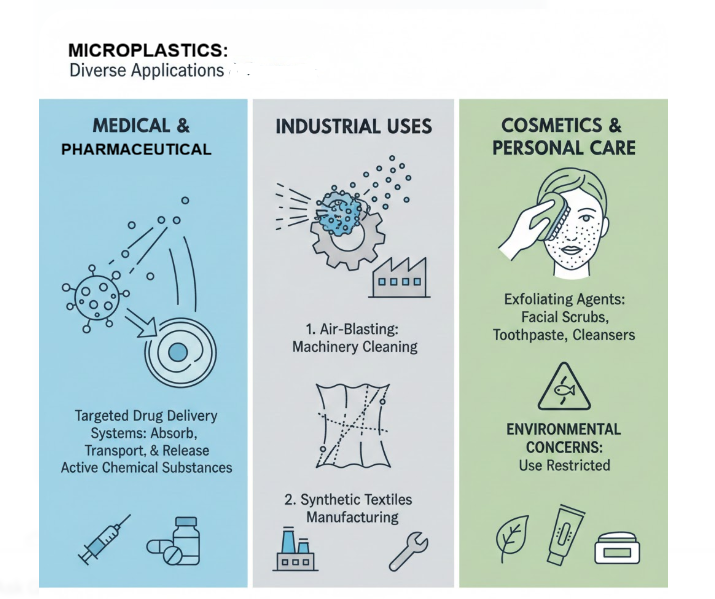
- These include microbeads used in cosmetics and toothpaste, plastic pellets used as industrial raw material, and synthetic fibres released from polyester or nylon textiles during washing.
- Secondary Microplastics: These form when larger plastic products such as bottles, bags, fishing nets, and packaging degrade over time due to sunlight, heat, mechanical abrasion, and ocean waves.
- Major sources of Microplastics: Include synthetic clothing, tyre wear from road transport, single-use plastics, personal care products, and ineffective plastic waste management systems.
- Primary Microplastics: These are deliberately produced at microscopic size for commercial use.
- Regulation in India:
Frequently Asked Questions (FAQs)
Q. What are inhalable microplastics?
Inhalable microplastics are airborne plastic particles smaller than 10 µm that remain suspended in air and can penetrate deep into human lungs.
Q. Why are inhalable microplastics a regulatory concern in India?
They are not explicitly monitored under existing AQI frameworks, creating a regulatory blind spot despite their health risks.
Q. What are the major sources of inhalable microplastics in cities?
Key sources include synthetic clothing fibres, tyre and brake wear, plastic packaging, paints, cosmetics, and waste burning.
Q. What health risks are associated with inhalable microplastics?
They can cause respiratory diseases, hormonal disruption, and cancer by carrying heavy metals, endocrine disruptors, and pathogens into the lungs.
UPSC Civil Services Exam, Previous Year Questions (PYQ)
Q. Why is there a great concern about the ‘microbeads’ that are released into the environment? (2019)
(a) They are considered harmful to marine ecosystems.
(b) They are considered to cause skin cancer in children.
(c) They are small enough to be absorbed by crop plants in irrigated fields.
(d) They are often found to be used as food adulterants.
Ans: (a)


Rapid Fire
Exercise Desert Cyclone II
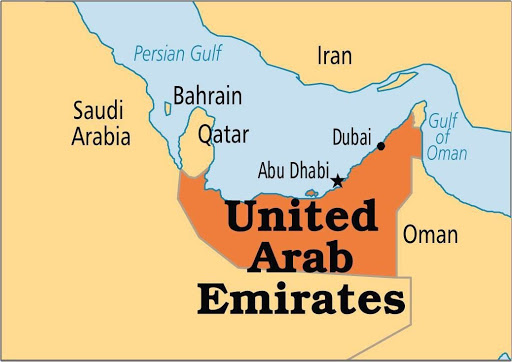
An Indian military contingent has departed for Abu Dhabi, United Arab Emirates (UAE) to participate in the second edition of the India–UAE Joint Military Exercise “Desert Cyclone II.”
India–UAE Defence Cooperation
- Exercises:
- Exercise Desert Cyclone: It is the first bilateral Army exercise between India and the UAE, initially held in January 2024, and focuses on joint urban warfare training for sub-conventional operations under a United Nations mandate, supporting peacekeeping, counter-terrorism, and stability missions.
- Exercise Gulf Waves (Navy): Bilateral maritime exercise between the Indian Navy and UAE Navy, earlier known as Exercise Zayed Talwar.
- Exercise Milan (Navy – Multilateral): UAE participated as an Observer in Exercise Milan 2024, hosted by India.
- Exercise Desert Flag (Air Force – Multilateral): The Indian Air Force regularly participates in this multinational air combat exercise hosted by the UAE.
- Exercise Tarang Shakti (Air Force – Multilateral): UAE participated in the inaugural edition in 2024, hosted by India.
- Defence Exhibitions: Mutual participation in major defence expos such as IDEX, NAVDEX, Dubai Air Show (UAE) and Aero India, DefExpo (India) highlights cooperation in defence manufacturing and technology.
- Strategic Significance: Defence ties form a key pillar of the India–UAE Comprehensive Strategic Partnership supporting regional security, interoperability, and indigenous defence manufacturing.
| Read more: India-UAE Relations |

Rapid Fire
ICG Ship Sarthak at Chabahar Port
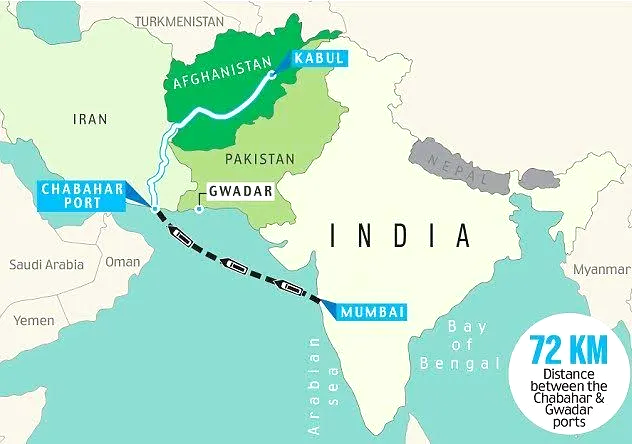
The Indian Coast Guard (ICG) offshore patrol vessel ICGS Sarthak made its 1st-ever port call at Iran's Chabahar Port, aiming to bolster maritime security and regional cooperation.
- A port call refers to the period during which a vessel (ship) arrives at, stays in, and departs from a port.
- Strategic Significance: The visit leverages Chabahar's role as India's direct maritime gateway to Iran, Afghanistan, and Central Asia, reinforcing secure supply lines and aligned with India’s SAGAR and MAHASAGAR vision.
- Environmental Outreach: Activities incorporate a beach walkathon and sports fixtures that align with India’s Puneet Sagar Abhiyan.
- Puneet Sagar Abhiyan (2021) is an environmental campaign launched by the National Cadet Corps (NCC) to clean seashores, beaches, rivers, lakes, and other water bodies of plastic and other waste materials.
Chabahar Port
- About: Chabahar Port is a deep-water port in Iran's Sistan-Baluchistan province, located on the Gulf of Oman outside the Strait of Hormuz.
- It is Iran's only deep-sea port with direct ocean access that provides India with a direct maritime gateway to Iran, Afghanistan and Central Asia.
- Development: It was developed under the 2016 Chabahar Agreement between India, Iran, and Afghanistan and is a part of the International North-South Transport Corridor (INSTC).
- Chabahar has two terminals, i.e., Shahid Beheshti and Shahid Kalantari. India developed and actively operates the Shahid Beheshti terminal.
- Management: Since December 2018, port operations have been managed by India Ports Global Limited (IPGL) through its subsidiary, India Ports Global Chabahar Free Zone (IPGCFZ).
| Read More: US Sanctions on Chabahar Port |


Rapid Fire
AH-64E Apache Induction Strengthens India-US Defence Cooperation
The Indian Army has received the final batch of three AH-64E Apache Attack helicopters, completing its six-helicopter fleet under the 451 Army Aviation Squadron, based in Jodhpur, Rajasthan.
- This marks the full operationalisation of the Army’s first dedicated Apache squadron. The helicopters were procured under a $600 million deal (February 2020) with the United States.
- About AH-64E Apache: Regarded as one of the most advanced multi-role attack helicopters in the world, it is equipped with cutting-edge avionics and sensor suites, precision-guided weapons, and robust network-centric warfare capabilities.
- Designed for high operational flexibility, it can conduct missions seamlessly during day and night, in all-weather conditions, and across diverse terrains ranging from deserts to high-altitude mountainous regions.
- The deployment of Apache helicopters along the western front facing Pakistan will significantly enhance precision strike, anti-armour warfare, and close air support capabilities, while reinforcing India’s deterrence posture in a highly conflict-prone sector..
- Key Aspects of India–US Defence Cooperation: India and the US signed a new 10-year Defence Framework Agreement in October, 2025, aiming to boost cooperation in military exercises, tech, industrial collaboration.
- The relationship is anchored by the "Major Defence Partner" status and the signing of foundational agreements like:
- LEMOA – Logistics Exchange Memorandum of Agreement: Enables mutual access to military bases for logistics support such as fuel, repair, and supplies.
- COMCASA – Communications Compatibility and Security Agreement: Allows secure, encrypted communication systems and real-time information sharing between Indian and US forces.
- BECA – Basic Exchange and Cooperation Agreement: Facilitates sharing of high-end geospatial, satellite, and mapping data for improved military navigation and targeting.
- Under the iCET (Initiative on Critical and Emerging Technology) and INDUS-X, both nations are fast-tracking projects like the co-production of GE F414 jet engines in India and the procurement of MQ-9B Predator drones.
- The relationship is anchored by the "Major Defence Partner" status and the signing of foundational agreements like:
| Read More: Indian Army's AH-64E Apache Helicopter Induction |