Indian Economy
Implications of Global Tensions on India’s Economic Stability
For Prelims: Current Account Deficit, Natural gas, Active Pharmaceutical Ingredients (APIs), Rare Earth Elements, Supply Chain Resilience Initiative, Indo-Pacific Economic Framework.
For Mains: Impact of geopolitical tensions on Indian economy, Energy security and import dependence in India, Supply chain vulnerabilities and Atmanirbhar Bharat.
Why in News?
Rising geopolitical tensions in West Asia have put pressure on India’s economy, with the rupee weakening, oil prices surging, and forex reserves declining. These shocks are increasing inflation, widening fiscal stress, and exposing supply chain vulnerabilities.
- This has triggered concerns over India’s economic resilience and the need for structural reforms.
Summary
- Rising geopolitical tensions in West Asia have exposed India’s economic vulnerabilities, including energy dependence, supply chain disruptions, inflation, and fiscal stress.
- To ensure resilience, India must shift toward self-reliance, diversified supply chains, energy security, and income-led growth while strengthening global partnerships.
What is the Impact of Global Tensions on India's Economy?
- Currency & Foreign Exchange Stress: Rupee hit a record low of Rs 95/dollar, forex reserves fell to USD 709.76 billion, and USD 8 billion in foreign portfolio outflows intensified pressure forcing the Reserve Bank of India (RBI) to burn through reserves just to contain volatility.
- Oil Price Shock: India imports around 85% of its crude oil. A USD 10/barrel spike in crude prices widens the Current Account Deficit (CAD) by USD 9–10 billion, raises Consumer Price Index (CPI) inflation by around 0.2%, and slows GDP growth.
- Fiscal Squeeze: GST slows when oil spikes compress consumption and transactions.
- Simultaneously, the government must cut excise duties and raise subsidies, squeezing fiscal space from both sides. The Russia-Ukraine war (2022) cost India Rs 2.2 lakh crore in revenue losses alone.
- This compresses the fiscal space required for welfare stabilizers and long-term capital formation.
- Household Deleveraging and Distress: Private consumption (~61.4% of GDP) is increasingly debt-driven, with household liabilities rising to over 41% of GDP.
- Energy inflation compresses real wages, eroding the purchasing power of the middle and lower-income classes.
- Industrial Divergence (K-Shaped Impact): While capital-intensive sectors aligned with state capex remain insulated, labor-intensive and informal sectors suffer.
- LPG commercial cylinder shortages have forced closures of restaurants and cloud kitchens, with gig worker unions reporting a 50–60% drop in food delivery orders (informal workers bearing the sharpest end of the shock).
What are the Structural Vulnerabilities in India’s Supply Chains?
- India is highly competitive in "downstream" activities (final assembly, generic drug formulation, petroleum refining) but remains critically deficient in "upstream" raw materials and "midstream" intermediate components.
- Energy Chokepoint:
- Dependency: India imports roughly 85% of its crude oil and over 50% of its natural gas.
- Because the domestic economy is heavily fossil-fuel dependent, the macroeconomic architecture is highly elastic to global prices. There is no domestic buffer large enough to offset a prolonged price shock.
- Impact: Every disruption directly bleeds into the fiscal deficit (via fertilizer and fuel subsidies) and triggers imported inflation that affects transport and manufacturing logistics.
- Dependency: India imports roughly 85% of its crude oil and over 50% of its natural gas.
- Pharmaceuticals:
- Dependency: To manufacture drugs, India imports 65-70% of its Active Pharmaceutical Ingredients (APIs) and Key Starting Materials (KSMs) primarily from China.
- This is a classic midstream vulnerability. The Indian pharma industry scaled up by importing cheap Chinese intermediates rather than building costly domestic chemical ecosystems.
- Impact: A sudden supply chain decoupling, trade war, or geopolitical standoff with China could bring India's multi-billion-dollar drug manufacturing industry to a grinding halt within weeks.
- Dependency: To manufacture drugs, India imports 65-70% of its Active Pharmaceutical Ingredients (APIs) and Key Starting Materials (KSMs) primarily from China.
- Electronics, Semiconductors, and the Green Transition:
- Dependency: India is almost entirely dependent on imports for semiconductors, display fabrication units, and high-end industrial machinery.
- The transition to EVs and renewable energy requires lithium, cobalt, nickel, and rare earth elements. The processing of these minerals is heavily concentrated in a few countries ( dominated by China).
- While schemes like Production-Linked Incentive (PLI) incentivize the assembly of mobile phones and EVs in India, the core intellectual property and foundational hardware are still imported.
- Impact: Supply shocks restrict India's ability to transition to green energy and maintain its IT and hardware manufacturing targets, capping its technological sovereignty.
- Dependency: India is almost entirely dependent on imports for semiconductors, display fabrication units, and high-end industrial machinery.
- Agriculture and Food Security
- Dependency: India’s domestic output meets barely 44% of its edible oil demand, forcing massive imports of palm oil (from Indonesia/Malaysia) and sunflower oil (from the Black Sea region).
- Furthermore, India relies heavily on imported potash and phosphatic fertilizers.
- There is a lack of region-specific crop diversification, with continued dependence on water-intensive crops like paddy and sugarcane instead of shifting toward oilseeds and pulses.
- Impact: Disruptions in maritime routes or global conflicts immediately translate to domestic food inflation and rural distress, putting immense political and fiscal pressure on the state.
- Dependency: India’s domestic output meets barely 44% of its edible oil demand, forcing massive imports of palm oil (from Indonesia/Malaysia) and sunflower oil (from the Black Sea region).
- Indian Exports: Indian exports are facing disruptions in early 2026 due to West Asia tensions affecting key routes like the Red Sea and Strait of Hormuz, leading to higher freight costs, container shortages, and longer transit times.
What Measures can Protect India's Economy from Global Tensions?
- Macro-Fiscal and Monetary Safeguards: Strengthen forex reserves to stabilize the rupee and manage imported inflation, use flexible import duties to absorb global price shocks, and shift toward income-led growth by promoting labour-intensive sectors and improving real wages.
- Supply Chain and Industrial Autonomy: Expand Production-Linked Incentive (PLI) schemes to upstream sectors like APIs and semiconductors, encourage crop diversification in oilseeds and pulses to reduce import dependence, and enhance logistics efficiency through PM GatiShakti and the National Logistics Policy.
- Energy Security and Resource Independence: India should accelerate renewable energy expansion (500 GW target) and green hydrogen to reduce import dependence, expand strategic petroleum reserves and domestic exploration for short-term resilience, and secure critical minerals like lithium and cobalt through entities like Khanij Bidesh India Ltd. to support the energy transition.
- Geoeconomic Diplomacy and Alliances: India should leverage the China+1 strategy to attract global manufacturing, strengthen friend-shoring by deepening participation in frameworks like the Supply Chain Resilience Initiative and the Indo-Pacific Economic Framework.
- Fastrack the development of alternative trade corridors such as the India-Middle East-Europe Economic Corridor and the International North-South Transport Corridor to bypass vulnerable chokepoints.
Conclusion
In a world of weaponised supply chains, economic security is national security. India must shift from “just-in-time” to “just-in-case” resilience by strengthening domestic capabilities, securing critical minerals, and deepening strategic partnerships to withstand global shocks and emerge as a reliable global manufacturing hub.
|
Drishti Mains Question: “India’s economic growth remains robust, but its resilience is under strain due to global shocks.” Examine. |
Frequently Asked Questions (FAQs)
1. How do global tensions impact India’s macroeconomy?
They cause currency depreciation, inflation, capital outflows, and fiscal stress due to energy price shocks and supply disruptions.
2. Why is India vulnerable to oil price shocks?
India imports 85% of crude oil, making its economy highly sensitive to global energy price fluctuations.
3. What is the significance of Production-Linked Incentive (PLI) schemes?
PLI schemes aim to boost domestic manufacturing and reduce import dependence, especially in critical sectors like electronics and pharmaceuticals.
4. What is meant by K-shaped recovery in the Indian economy?
It refers to uneven growth, where capital-intensive sectors grow while labour-intensive and informal sectors decline.
5. How can India improve supply chain resilience?
By promoting Atmanirbhar Bharat, diversifying imports, securing critical minerals, and strengthening global partnerships.
UPSC Civil Services Examination, Previous Year Questions (PYQs)
Mains
Q. “India’s relations with Israel have, of late, acquired a depth and diversity, which cannot be rolled back.” Discuss.(2018)

Indian Economy
West Asia War & India's Manufacturing Slowdown
For Prelims: HSBC India Manufacturing Purchasing Managers’ Index (PMI), Cape of Good Hope, MSMEs, Strait of Hormuz, Shahed Drones, National Mission on Manufacturing (NMM), AI, IoT, Robotics, National Green Hydrogen Mission, BioE3 Policy (Biotechnology for Economy, Environment, and Employment), International North-South Transport Corridor (INSTC), Suez Canal, RoDTEP, Labor Codes, ONDC, Udyam, Gulf Cooperation Council (GCC)
For Mains: Key facts regarding the HSBC India Manufacturing PMI, Importance of manufacturing sector for India, West Asia conflict and its impact on India's Manufacturing Sector, Steps needed to make India's manufacturing sector resilient to geopolitical instability.
Why in News?
The HSBC India Manufacturing Purchasing Managers’ Index (PMI) dropped to a 45-month low of 53.9 in March 2026, reflecting a significant deceleration in industrial activity due to conflict in West Asia and rising input costs.
- Manufacturers faced the steepest intensification of input costs since August 2022, driven by price hikes in critical raw materials like aluminum, steel, chemicals, and fuel.
Read More:
Summary
- India’s manufacturing slowed as PMI fell to 53.9 (45-month low) in March 2026 due to the West Asia conflict and rising input costs.
- Key impacts included higher freight costs, longer shipping routes, energy price spikes, raw material shortages, and stress on MSMEs.
- Resilience requires diversifying energy sources, alternative trade routes, and structural reforms to reduce dependence on geopolitical risks.
How Conflict in West Asia Slowed India's Manufacturing Sector?
- Shipping Surcharge Burden: Freight rates for Indian exporters have jumped by 40% to 50%. Beyond the cost, the rerouting of ships around the Cape of Good Hope has added 15–20 days to delivery lead times, severely impacting the working capital cycles of MSMEs.
- Energy-Driven Input Cost Inflation: Manufacturers faced the fastest rise in operating expenses in 45 months. Spikes in crude oil (breaching USD 110/barrel) and natural gas prices have made energy-intensive production unviable for many smaller units.
- Crisis in MSME Clusters: Manufacturing hubs like Morbi (Ceramics) and Surat (Textiles) reported significant shutdowns in early April 2026 due to the restricted allocation of industrial gas, which was diverted to high-priority sectors.
- Raw Material Scarcity (Metal & Cement): The cost of steel scrap rose by 5-8%, and cement companies faced a "choking" of petcoke imports from the UAE and Saudi Arabia, forcing a shift to more expensive domestic or US-sourced coal.
- Rupee Depreciation & Imported Inflation: The Rupee hit a record low of Rs 95 per dollar in late March 2026. For manufacturers reliant on imported components (electronics, EVs, and defense), this has caused a "double whammy" of high base prices and unfavorable exchange rates.
- Fertilizer Subsidy Pressure: As a major importer of Ammonia and Urea from the Gulf, the spike in gas prices has forced the Indian government to increase the fertilizer subsidy outlay to prevent a spike in retail prices for farmers, which would otherwise fuel food inflation.
HSBC India Manufacturing PMI
- About: It is a critical macroeconomic indicator that measures the month-on-month change in the health of India's manufacturing sector.
- It is widely considered a "leading indicator" because it provides a snapshot of current business conditions before official government data (like the Index of Industrial Production or GDP) is released.
- Compilation & Working: The index is compiled by S&P Global based on monthly survey responses from around 400 manufacturers across India. It is a weighted average of five sub-indices:
- New Orders (30%)
- Output (25%)
- Employment (20%)
- Suppliers’ Delivery Times (15%)
- Stock of Items Purchased (10%)
- 50-Mark Rule: The index is measured on a scale of 0 to 100:
- Above 50: Indicates expansion in the sector compared to the previous month.
- Below 50: Indicates contraction or deterioration.
- Exactly 50: Indicates no change.
- Significance for India: Strong PMI readings often correlate with robust industrial output and GDP growth, while sharp declines can signal emerging headwinds such as rising input costs, geopolitical disruptions, or softening demand.
What is the Importance of Manufacturing Sector for India?
- Economic Growth and GDP Contribution: Manufacturing drives industrial output and productivity gains. Under the National Mission on Manufacturing (NMM), India aims to nearly double the sector's contribution to GDP—from approximately 13% to 25%—by 2035.
- Mass Employment Generation: Micro, Small and Medium Enterprises (MSMEs) sector is the second-largest employer after agriculture. The NMM aims to create 143 million new jobs by 2035 to absorb the millions of youth entering the workforce annually.
- Manufacturing units in semi-urban and rural areas provide essential non-agricultural wages, helping to reduce regional disparities and poverty.
- Trade Balance and Foreign Exchange: Manufacturing accounts for roughly 45% of India’s total exports. The goal is to reach USD 1.2 trillion in merchandise exports by 2035. By localizing production of electronics (where India is now the 2nd largest mobile manufacturer) and defense equipment, India can reduce its massive import bills and conserve its foreign exchange.
- Technological Innovation & Resilience: The sector is a catalyst for the adoption of AI, IoT, and robotics, enhancing the overall technological profile of the Indian economy. A strong domestic manufacturing base ensures that India isn't crippled by global supply chain "choke-offs" for essential goods like medicines and machinery.
What Steps are Needed to Make India's Manufacturing Sector Resilient to Geopolitical Instability?
- Diversification of Energy & Feedstock: India needs to aggressively shift its crude oil sourcing to non-Hormuz suppliers (including Russia, the US, and Brazil).
- Fast-tracking the National Green Hydrogen Mission to decouple industrial energy (especially for steel and fertilizers) from volatile natural gas imports.
- Reduce reliance on Gulf-based feedstocks by accelerating the BioE3 Policy (Biotechnology for Economy, Environment, and Employment) to replace petroleum-based chemicals with bio-based alternatives.
- Alternative Maritime Routes: Accelerating the International North-South Transport Corridor (INSTC) and exploring Arctic routes to bypass the Suez Canal and West Asian chokepoints.
- Regulatory Buffers: Utilize the RoDTEP extension and temporary Basic Customs Duty (BCD) exemptions on critical inputs to neutralize sudden spikes in global freight and insurance premiums.
- Structural & Digital Reforms: Utilize the Labor Codes to allow manufacturers to scale workforces up or down based on global demand cycles without the "fear of scaling."
- Establishment of a "Sovereign Maritime Insurance" Fund: To counter the 40-50% spike in war-risk premiums currently imposed by global insurers, India should create a state-backed maritime insurance entity.
- This would provide affordable cover to Indian-flagged vessels and exporters, ensuring that the "geopolitical tax" on shipping doesn't render "Make in India" products uncompetitive in global markets.
- Diplomatic and International Cooperation: Strengthen bilateral and multilateral engagements with Gulf Cooperation Council (GCC) states, the United States, and Quad partners for secure energy corridors and joint maritime patrols. Negotiate supply-chain pacts that prioritise resilient sourcing routes.
Conclusion
The 2026 West Asia conflict serves as a critical inflection point for India’s industrial strategy. While the manufacturing sector remains resilient, the dual shocks of energy-driven inflation and maritime disruptions highlight the urgent need to decouple domestic production from volatile global chokepoints. By prioritizing Bio-based feedstocks, non-Hormuz energy sourcing, and Sovereign Insurance, India can transform this crisis into an opportunity for true Atmanirbhar (self-reliant) structural strength.
|
Drishti Mains Question: Analyze the impact of the ongoing West Asia conflict (2026) on India's manufacturing sector, particularly MSME clusters. Suggest policy measures to mitigate such external shocks. |
Frequently Asked Questions (FAQs)
1. What was India's Manufacturing PMI in March 2026?
The HSBC India Manufacturing PMI fell to 53.9 (lowest since June 2022). A reading above 50 denotes expansion, but the sharp decline indicates significant deceleration in industrial activity.
2. Why is the Strait of Hormuz strategically important for India?
The Strait handles approximately 20% of global petroleum. Its virtual closure by Iranian forces has disrupted India's crude oil and LNG imports, spiking energy costs for manufacturers.
3. What is the National Mission on Manufacturing (NMM) target for India?
The NMM aims to nearly double manufacturing's GDP contribution from ~13% to 25% by 2035 and create 143 million new jobs.
UPSC Civil Services Examination, Previous Year Question (PYQ)
Prelims
Q. The term “two-state solution” is sometimes mentioned in the news in the context of the affairs of (2018)
(a) China
(b) Israel
(c) Iraq
(d) Yemen
Ans: (b)
Q. What is the importance of developing Chabahar Port by India? (2017)
(a) India’s trade with African countries will enormously increase.
(b) India’s relations with oil-producing Arab countries will be strengthened.
(c) India will not depend on Pakistan for access to Afghanistan and Central Asia.
(d) Pakistan will facilitate and protect the installation of a gas pipeline between Iraq and India.
Ans: (c)
Q. Which one of the following countries of South-West Asia does not open out to the Mediterranean Sea? (2015)
(a) Syria
(b) Jordan
(c) Lebanon
(d) Israel
Ans: (b)
Mains
Q. “India’s relations with Israel have, of late, acquired a depth and diversity, which cannot be rolled back.” Discuss. (2018)

Important Facts For Prelims
Plastic Waste Management Rules 2026
Why in News?
India has amended its Plastic Waste Management Rules, 2016 (Amended in 2026) easing compliance norms for companies while retaining recycling targets under the Extended Producer Responsibility (EPR) framework.
What are the Key Features of Plastic Waste Management Rules, 2016 (Amended 2026)?
- Compliance Provisions: Companies that fail to meet their recycling targets for the financial year 2025–26 are no longer penalized immediately.
- The unfulfilled targets from 2025–26 can be carried forward for up to three subsequent years (starting 2026–27), provided that at least one-third of the deficit is cleared annually.
- Recycling Targets: The 2026 amendment retains a phased framework for recycled content and reuse targets in plastic packaging, continuing the trajectory initiated under the EPR framework (2022), which for the first time introduced collection targets for producers, importers, and brand owners (PIBOs).
- For 2025–26, rigid plastic packaging (Category I) must contain at least 30% recycled material, rising to 60% by 2028–29.
- Flexible plastics (Category II) have a 10% requirement, increasing to 20%, while multi-layered plastics (Category III) must meet 5%, rising to 10%.
- Additionally, reuse targets for rigid packaging have been mandated, including 10% for small containers (0.9–4.9 litres), 70% for large water packaging, and 10% for large non-water packaging, with gradual increases over time.
- Tradable Certificate System: The rules formalize a system where companies can meet their recycling obligations by purchasing tradable credits from other firms that have exceeded their targets.
- While the system offers flexibility and lowers costs, it allows companies to avoid recycling their own plastic. The Central Pollution Control Board found over 6 lakh fake certificates in 2023.
- Exemptions: The rules provide exemptions where other regulations restrict the use of recycled plastic, such as Food Safety and Standards Authority of India (FSSAI), which may exclude significant portions of the food and beverage packaging sector.
- Implementation Mechanism: Compliance is monitored through a centralised EPR portal, with oversight by the Central Pollution Control Board, ensuring tracking, reporting, and enforcement of obligations.
- Rules mandate that companies collect and process 100% of the plastic they introduce into the market by 2024–25, marking the final phase of EPR implementation.
- However, there is no clear public evidence of full compliance, as data largely relies on self-reporting through a centralized portal, with no comprehensive system-wide verification.
- According to the Environment Ministry, while recycling has significantly increased under EPR, it is still far from complete coverage. Since 2022, over 20.7 million tonnes of plastic waste have been recycled, yet annual plastic waste generation remains high at around 4.13 million tonnes (2022–23), highlighting the gap between targets and actual outcomes.
Note: Plastic categories are defined based on recyclability: Category I (rigid plastics) includes High-Density Polyethylene (HDPE) and Polyethylene Terephthalate (PET) containers and is the easiest to collect; Category II (flexible plastics) includes carry bags and snack wrappers with moderate difficulty; and Category III (multi-layered plastics) such as Tetra Pak cartons and foil wrappers are the hardest to recycle.
- India banned single-use plastic items back in 2022.
Key Terms Defined in Plastic Waste Management Rules (Amendment 2026)
- End of Life Disposal: This refers to the use of plastic waste for energy recovery, including processes like co-processing in cement and steel industries, waste-to-energy, waste-to-oil conversion, and road construction. Importantly, converting plastic into new plastic or chemicals is not included here and is classified as recycling.
- Recycling: Recycling is defined as the transformation of plastic waste into new products or generation of energy. The amendment expands the earlier definition by adding “generation of energy,” thereby widening the scope of recycling activities.
- Plastic Waste Processors: This term now includes both recyclers and entities involved in end-of-life disposal, such as waste-to-energy operators and co-processors. Earlier, it was limited only to recyclers, but now the scope is broader and more inclusive.
- Registered Environment Auditor: These are auditors defined under the Environment Audit Rules, 2025, authorised to verify EPR compliance and recycled content usage. They serve as an alternative to designated agencies for compliance verification under the rules.
- Reuse: Reuse means using a material again for the same or a different purpose without altering its structure. This definition is particularly relevant for reuse obligations in rigid plastic packaging (Category I).
- Seller: This newly introduced term refers to entities selling plastic raw materials such as resins, pellets, or intermediate inputs used in packaging. It brings raw material suppliers under the regulatory framework for the first time, expanding accountability across the value chain.
UPSC Civil Services Examination, Previous Year Questions (PYQs)
Prelims
Q.1 In India, ‘extend producer responsibility’ was introduced as an important feature in which of the following? (2019)
(a) The Bio-medical Waste (Management and Handling) Rules, 1998
(b) The Recycled Plastic (Manufacturing and Usage) Rules, 1999
(c) The e-Waste (Management and Handling) Rules, 2011
(d) The Food Safety and Standard Regulations, 2011
Ans: (c)
Q.2 How is the National Green Tribunal (NGT) different from the Central Pollution Control Board (CPCB)? (2018)
- The NGT has been established by an Act whereas the CPCB has been created by an executive order of the Government.
- The NGT provides environmental justice and helps reduce the burden of litigation in the higher courts whereas the CPCB promotes cleanliness of streams and wells, and aims to improve the quality of air in the country.
Which of the statements given above is/are correct?
(a) 1 only
(b) 2 only
(c) Both 1 and 2
(d) Neither 1 nor 2
Ans: (b)
Q.Why is there a great concern about the ‘microbeads’ that are released into the environment? (2019)
(a) They are considered harmful to marine ecosystems.
(b) They are considered to cause skin cancer in children.
(c) They are small enough to be absorbed by crop plants in irrigated fields.
(d) They are often found to be used as food adulterants.
Ans: (a)
Mains
Q: What are the impediments in disposing the huge quantities of discarded solid waste which are continuously being generated? How do we remove safely the toxic wastes that have been accumulating in our a habitable environment? (2018)

Rapid Fire
Election Petition
The Supreme Court (SC) ruled that appellate courts cannot remand election petitions for fresh evidence or expert examination, such as fingerprint analysis, if these issues were not raised before the Election Tribunal.
- Consequently, election disputes must be decided solely based on the existing record to maintain the integrity of the original proceedings.
Election Petition
- About: An election petition is the exclusive judicial remedy in India to challenge the validity of an election result, ensuring the integrity and purity of the democratic process.
- Under Article 329(b) of the Constitution, no election to Parliament or State Legislatures can be questioned except by an election petition.
- Statutory & Constitutional Basis: Election petitions for elections to Parliament (Lok Sabha and Rajya Sabha), State Legislative Assemblies are governed by the Representation of the People Act, 1951, whereas election disputes relating to most local bodies (Panchayats and Municipalities) are governed by the respective State laws enacted under the 73rd and 74th Constitutional Amendments.
- Petitions regarding Parliamentary or Assembly elections must be filed in the High Court of the respective state.
- However, challenges to Presidential or Vice-Presidential elections are filed directly in the Supreme Court under Article 71.
- Eligibility & Timeline: A petition can be filed by any candidate or any elector from the constituency within a strict window of 45 days from the date of the result declaration.
- Grounds for Voiding an Election: Under Section 100 of the RPA, 1951, an election can be declared void if the candidate was disqualified, committed corrupt practices (bribery, undue influence, or appeals to religion/caste), or if there was improper acceptance/rejection of nomination papers.
- Appellate Provisions: An appeal against the High Court’s decision lies with the Supreme Court, and must be filed within 30 days.
- Judicial Outcomes: The Court may dismiss the petition, declare the election void (leading to a bye-election), or substitute the winner if the petitioner is proven to have received the majority of valid votes.
| Read More: Petition to Poll Results |

Rapid Fire
RBI's Benchmark Issuance Strategy for State Development Loans
The Reserve Bank of India (RBI) has launched a pilot Benchmark Issuance Strategy (BIS) for State Development Loans (SDLs) starting with the financial year 2026-27 to bring greater discipline, transparency, and liquidity to state borrowings.
- The RBI Act, 1934 empowers the Reserve Bank to act as a banker to state governments and manage their public debt. During FY 2025–26, heavy state borrowings and a sharp increase in the average tenor of issuances led to a demand-supply mismatch in the bond market.
- In FY 2025–26, Indian States are set to borrow nearly as much as the Centre, with gross issuances of about Rs 12.5 trillion compared to the Centre’s Rs 14.6 trillion.
- Pilot Rollout: BIS for SDLs is being implemented on a pilot basis in nine states (Andhra Pradesh, Bihar, Chhattisgarh, Kerala, Madhya Pradesh, Maharashtra, Rajasthan, Telangana, and Uttar Pradesh) for the first quarter of FY 2026-27.
- Mechanism: Under BIS, states will issue securities in predefined benchmark maturity buckets according to a pre-announced borrowing calendar, moving away from flexible, non-standardized issuances.
- Core Objective: The primary goal is to reduce fragmentation in the SDL (state government bonds issued to fund this fiscal deficit) market by creating larger, more liquid benchmark securities, thereby improving price discovery, enhancing transparency, and providing investors with better visibility into state bond supply.
- Borrowing Targets: States and UTs plan to raise a total of Rs 2.54 trillion in Q1 FY27.
- The nine pilot states will raise about Rs 1.54 trillion through the new structured BIS framework, while the remaining states will use the conventional route.
- Gradual Yield Benefits: While the strategy introduces much-needed predictability, market participants note that its impact on lowering borrowing costs (yields) will be gradual due to the continued heavy supply of state bonds.
| Read more: Rising State Borrowings and Their Impact on Bond Yields |

Rapid Fire
Arab League Appoints New Secretary-General
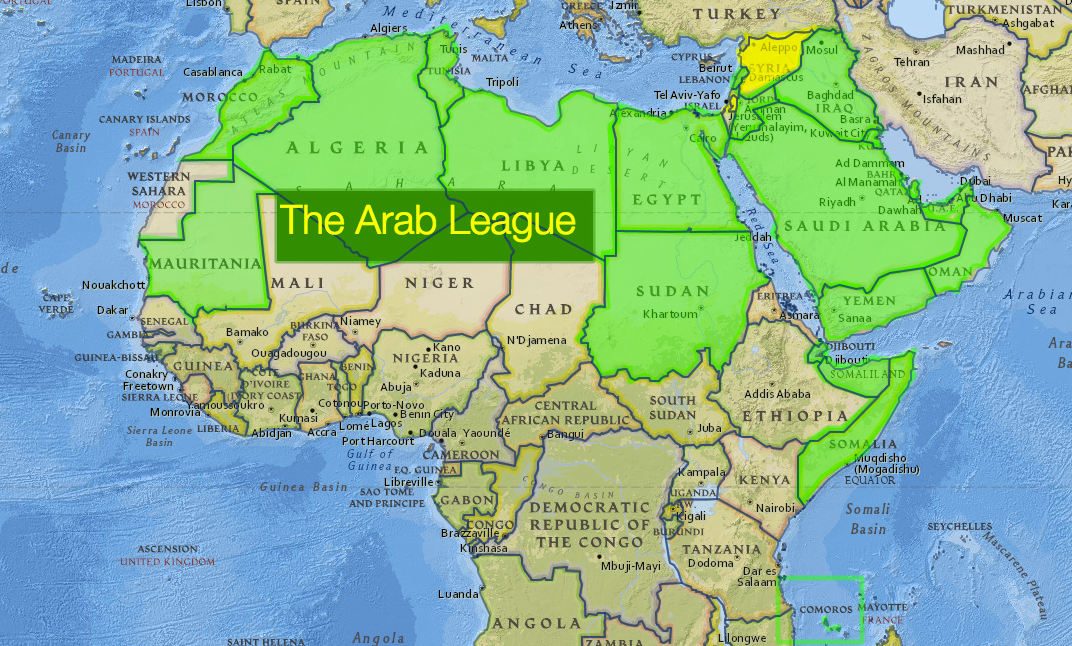
The Council of the League of Arab States(Arab League) has approved Egypt’s nomination of Nabil Fahmy as the next Secretary-General for a five-year term beginning 1st July 2026, succeeding Ahmed Aboul Gheit.
Arab League
- About: The League of Arab States, founded in 1945 in Cairo, is a regional organisation comprising 22 Arab countries across West Asia and North Africa.
- Origin: It was formed following the Alexandria Protocol (1944) in the backdrop of post-World War II geopolitical changes, aiming to promote Arab unity, resist colonial divisions, and address concerns over developments in Palestine.
- Objectives: The League aims to promote coordination and cooperation among member states in political, economic, cultural, and social domains. Its founding charter emphasises “close cooperation” and peaceful settlement of disputes, discouraging the use of force among members.
- Mediation: The organisation is empowered to mediate disputes both among member states and between members and external parties.
- Cooperation: The 1950 Joint Defence and Economic Cooperation Pact provides for collective security and coordinated military measures.
- Concerns: The League operates as a loose confederation, resulting in weak enforcement capacity, ineffective conflict resolution, internal divisions, and declining relevance.
| Read more: Arab League |

Rapid Fire
Regulatory Push to Curb Insurance Mis-selling
The Reserve Bank of India (RBI) is preparing to release its final guidelines on ‘Responsible Business Conduct’ to curb the mis-selling of third-party financial products by banks, bringing the Insurance Regulatory and Development Authority of India (IRDAI)'s commission structures under critical review to protect citizens.
- Root Cause of Mis-selling: Insurance mis-selling refers to the deliberate or negligent sale of a product or service that is unsuitable for the customer’s needs.
- The primary driver of aggressive mis-selling is the front-loaded, high commission structure regulated by IRDAI.
- Because agents earn the bulk of their fees upfront, they are heavily incentivized to push products aggressively rather than providing long-term policy servicing.
- According to IRDAI’s FY25 annual report, total life insurance commissions hit Rs 60,800 crore (an 18% year-on-year increase), while premiums grew only in single digits.
- Limitations of Existing Regulation: Instead of directly capping how much commission an agent can make on a single policy, IRDAI's existing regulation simply caps the overall Expense of Management (EOM) for the entire insurance company.
- This gave insurers too much flexibility. Companies managed to stay within their overall EOM limits by cutting costs elsewhere, while continuing to funnel massive, disproportionate commissions to agents to drive aggressive sales.
- Recommended Solutions for Commission Reforms: IRDAI's proposed reforms include directly fixing commission rates, introducing caps, and expense-based limits though industry experts caution these alone may not curb malpractices effectively.
- To ensure accountability, industry experts suggest making the Board of Insurance Companies responsible for fixing commissions via a board-approved policy, ensuring payouts strictly stay within overall EOM limits alongside regulatory disclosures.
- The Shift to Trail-Based Commissions: A highly recommended structural reform is transitioning to a staggered, trail-based commission model.
- By paying commissions incrementally over the life of the policy, the financial incentives of the seller become directly aligned with the long-term welfare of the buyer, ensuring better persistency and restoring trust in the insurance sector.
| Read more: Insurance Sector in India |