International Relations
India–UAE Engagement Amid Regional Flux
For Prelims: President, MSMEs, National Investment & Infrastructure Fund (NIIF), Small Modular Reactors (SMRs), Supercomputing, FATF, Digilocker, Unified Payments Interface (UPI), BrahMos Missile, Akash Air Defence System, I2U2, India-Middle East-Europe Economic Corridor (IMEC), Non-Tariff Barriers (NTBs), Green Hydrogen, Gulf Cooperation Council (GCC), GIFT City.
For Mains: Overview of India-UAE relations and recent developments, associated challenges and way forward.
Why in News?
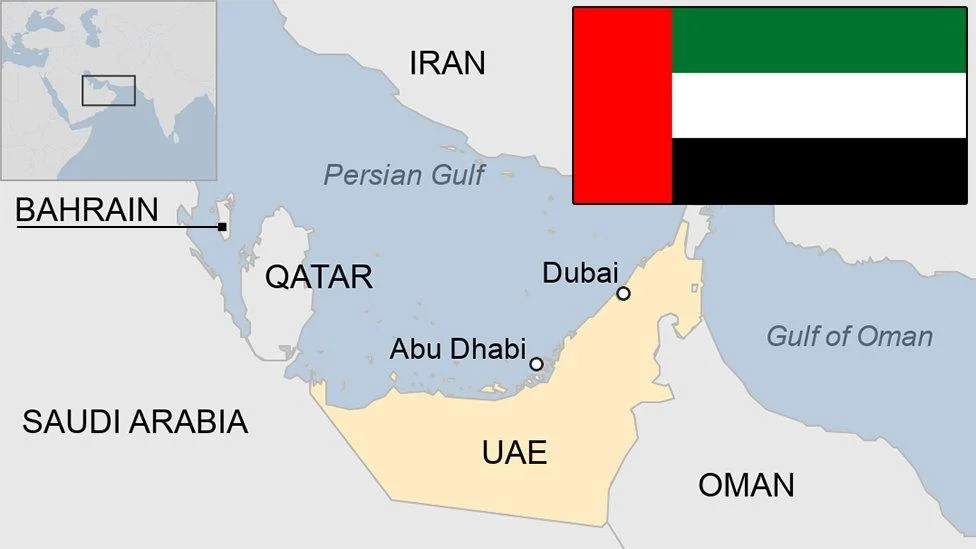
The President of the United Arab Emirates (UAE) paid an official visit to India amid regional flux, during which both countries agreed on a wide range of bilateral agreements and outcomes spanning defence, space cooperation, and LNG.
What are the Key Highlights of the UAE President's visit to India?
- Trade Ambition: Building on the 2022 CEPA, bilateral trade reached USD 100 billion in FY 2024–25; leaders set a target to double bilateral trade to USD 200 billion by 2032.
- Economic & Investment Initiatives: Directed officials to connect MSMEs and expedite Bharat Mart, Virtual Trade Corridor, and Bharat-Africa Setu initiatives.
- India invited UAE sovereign wealth funds to participate in the National Investment & Infrastructure Fund (NIIF).
- Both sides welcomed discussions for a UAE partnership in Gujarat's Dholera Special Investment Region, envisioning infrastructure like an airport, port, township, and MRO (Maintenance, Repair and Operations) facility.
- Energy & Nuclear Cooperation: Signed a 10-year LNG supply agreement (starting from 2028). Agreed to explore partnership in advanced nuclear technologies, including Small Modular Reactors (SMRs), following India's SHANTI Act, 2025.
- Technology & Innovation: Agreed to deepen cooperation in AI and emerging technologies, including a supercomputing cluster and exploring data centres in India. Directed teams to explore establishing 'Data Embassies' under mutual sovereignty arrangements.
- Counter-Terrorism: Reiterated unequivocal condemnation of terrorism, including cross-border terrorism, and agreed to continue cooperation within FATF against terror financing.
- Food Security & Culture: Reaffirmed commitment to enhancing cooperation in food security and decided to establish a 'House of India' in Abu Dhabi as a symbol of friendship.
- Education & Connectivity: Encouraged greater university linkages and student exchanges; welcomed work to integrate India's Digilocker with UAE platforms for academic document authentication. Aimed to interlink national payment platforms for cross-border payments.
- Defence & Security: Acknowledged defence cooperation as a core pillar, welcomed recent military exchanges and exercises (e.g., Zayed Talwar naval exercise), and noted the signing of a Letter of Intent for a Strategic Defence Partnership.
Data Embassy
- About: A "data embassy" is an offshore data centre where a nation stores its critical digital data (e.g., financial records, public databases) to ensure digital continuity and sovereignty.
- It acts as a backup to maintain essential services during domestic disruptions like cyberattacks or natural disasters. India’s data embassy in the UAE will be the country’s first data embassy.
- Legal Status: It functions under diplomatic principles:
- The host country's laws and jurisdiction apply to the physical facility (like a traditional embassy).
- The home country retains exclusive access, control, and legal jurisdiction over its stored data, which is inviolable and protected from local search or seizure.
- Global Precedent: In 2017, Estonia launched the world’s first data embassy in Luxembourg. Monaco followed, establishing its own data embassy in Luxembourg in 2021.
Shifting Geopolitical Landscape that Prompted India-UAE Meeting
- UAE-Saudi Tensions: The visit gains significance amid escalating UAE–Saudi Arabia rivalry, with open confrontations in Yemen (UAE-backed Southern Transitional Council vs. Saudi-backed government), Sudan, and Somalia, revealing a deepening strategic divergence in the Gulf.
- Saudi-Pakistan-Turkey Axis: Saudi Arabia has formalised defence cooperation with Pakistan, with some analyses also noting Turkey’s possible involvement, while India is deepening minilateral partnerships with the UAE and Israel through I2U2, IMEC and broader strategic engagement.
- Iran Crisis: The rising risk of US–Iran conflict heightens the strategic value of the India–UAE partnership. This partnership helps India diversify energy imports and maintain regional dialogue channels, reducing dependence on a volatile Gulf theatre.
- Board of Peace Initiative: The US-led Board of Peace for Gaza adds new relevance to the India–UAE partnership, as both have been invited to join. Their participation allows for coordinated influence in post-conflict Gaza reconstruction and governance.
How are India-UAE Bilateral Relations?
- Economic & Commercial Ties: Bilateral trade has surged from USD 180 million in the 1970s to USD 100 billion in 2024–25, elevating the UAE to India's 3rd-largest trading partner (after US and China) and 2nd-largest export destination. UAE investments in India stand at USD 20–21 billion, with a USD 75 billion infrastructure commitment.
- Energy Security: As India's 4th-largest crude oil source and major supplier of LNG and LPG, the UAE is pivotal to India's energy security. This is underscored by petroleum products constituting 41.4% of total bilateral trade, valued at USD35.10 billion till FY 2021–22.
- Financial Integration: The introduction of India's RuPay card and Unified Payments Interface (UPI) in the UAE underscores growing financial collaboration. This was formalized by the 2023 Local Currency Settlement (LCS) System MoU, promoting Indian Rupee and AED (United Arab Emirates Dirham) for cross-border transactions, which is already in use for trade in gold, crude oil, and food products.
- Defence and Security Cooperation: UAE-India defence cooperation has strengthened through counter-terrorism, intelligence sharing, and joint military exercises like Exercise Desert Cyclone. This period also saw growing UAE interest in Indian defence products including the BrahMos missile, Akash air defence system, and Tejas fighter jet.
- Cultural & People-to-People Links: The Indian diaspora in the UAE numbecapproximately 3.5 million (about 35% of UAE’s population) contribute significantly through remittances (18% of India’s total remittances). The BAPS Mandir in Abu Dhabi marks the first traditional Hindu temple in the UAE and symbolizes deepening ties.
- Regional Stability: The UAE's importance for regional stability—highlighted by its role in the Abraham Accords and its normalisation of relations with Israel—is critical for India, which is heavily dependent on Gulf energy. This strategic role is further reflected in multilateral frameworks like the I2U2 grouping and the India-Middle East-Europe Economic Corridor (IMEC).
What are the Challenges in India-UAE Relations?
- Regional Rivalries: India must account for the sharp escalation in tensions between Saudi Arabia and the UAE over Yemen. The UAE backs the Southern Transitional Council, while Saudi Arabia supports the internationally recognised Presidential Leadership Council.
- India's diplomatic strategy must balance its historical relations with Iran amidst the ongoing Iran-Arab tensions, while carefully managing ties with the UAE.
- Strategic Competition and External Influence: The UAE's deepening strategic and economic ties with China, including in defence cooperation through deals like the acquisition of Chinese L-15 aircraft, pose a direct challenge as China’s "Cheque Book Diplomacy" overshadows Indian ventures.
- Concerns Over UAE’s Pakistan Policy: The UAE’s substantial financial assistance to Pakistan (e.g., USD 3 billion pledge in 2019) raises Indian concerns about the potential misuse of funds, given Pakistan’s history of sponsoring cross-border terrorism against India.
- Structural Trade Barriers: Trade remains concentrated in traditional sectors (gems & jewellery, petroleum, smartphones), showing limited diversification despite the CEPA. Key Non-Tariff Barriers (NTBs) such as mandatory Halal certification, Sanitary and Phytosanitary (SPS) measures, and Technical Barriers to Trade (TBT) impede Indian exports.
- Future Economic Alignment: The diverging net-zero targets (UAE 2050, India 2070) and India’s push for 50% renewable energy by 2030 challenge the traditional hydrocarbon-based relationship, as the UAE’s oil export interests potentially conflict with India’s green goals.
What Steps Should India Take to Boost Cooperation with the UAE?
- Joint Green Energy & Sustainability Corridor: Implement a India-UAE Green Energy Corridor for joint renewable energy investments, green hydrogen technology transfer, and desalination research. A complementary joint climate change research center, focused on desert ecology and sustainable urban development, could leverage Indian expertise and UAE funding.
- Leverage the UAE as a Gateway for Regional Integration: India should leverage the UAE’s position within the Gulf Cooperation Council (GCC) and the Greater Arab Free Trade Area (GAFTA) to advocate for similar CEPA-style agreements with other member nations.
- It should also utilize the UAE’s role as a re-export hub to integrate key Indian products—such as handlooms, handicrafts, textiles, and pharma—into supply chains accessing African and broader Middle Eastern markets.
- Expand Investment Flows: Facilitate UAE investments in priority Indian projects (e.g., GIFT City) while encouraging reciprocal Indian investments in UAE sectors; establish dedicated bilateral investment task forces to monitor and fast-track high-value proposals.
- Strategic Dialogues and Joint Advocacy: India must institutionalize high-level reviews with clear timelines via the Joint Commission to ensure diplomatic momentum, while advocating for Kafala system reforms to protect Indian migrants' rights and welfare, following Qatar’s precedent (abolished in 2020).
Conclusion
The UAE President’s visit underscores a deepening India–UAE strategic partnership, expanding cooperation in trade, defence, energy, technology, and people-to-people ties. While opportunities in CEPA-led trade, green energy, and digital integration are significant, India must balance regional rivalries, China’s influence, and structural trade barriers to sustain long-term cooperation.
|
Drishti Mains Question: "The India-UAE partnership is a cornerstone of India's extended neighbourhood policy." Elaborate. |
Frequently Asked Questions (FAQs)
1. What is the significance of the India–UAE CEPA in bilateral relations?
CEPA has strengthened India–UAE economic ties, raising bilateral trade to USD 100 billion in FY 2024–25, with a target of USD 200 billion by 2032.
2. Why is the UAE important for India’s energy security?
The UAE is India’s fourth-largest crude oil source and second-largest LNG supplier, making it pivotal for India’s energy stability.
3. What is a data embassy?
A data embassy is an offshore data centre under mutual sovereignty, ensuring digital continuity and sovereignty.
UPSC Civil Services Examination Previous Year Questions (PYQs)
Prelims
Q. Which of the following is not a member of ‘Gulf Cooperation Council’? (2016)
(a) Iran
(b) Saudi Arabia
(c) Oman
(d) Kuwait
Ans: (a)
Q.Consider the following statements: (2008)
- Ajman is one of the seven Emirates of the UAE.
- Ras al-Khaimah was the last Sheikhdom to join the UAE.
Which of the statements given above is/are correct?
(a) 1 only
(b) 2 only
(c) Both 1 and 2
(d) Neither 1 nor 2
Ans: (c)
Mains
Q. The question of India’s Energy Security constitutes the most important part of India’s economic progress. Analyse India’s energy policy cooperation with West Asian countries. (2017)
Q. Project ‘Mausam’ is considered a unique foreign policy initiative of the Indian government to improve relationships with its neighbours. Does the project have a strategic dimension? Discuss (2015)


Science & Technology
PSLV Failures and Implications
For Prelims: Indian Space Research Organisation, PSLV, Low Earth Orbit (LEO) , EOS-09
For Mains: Role of PSLV in India’s space programme and national security, Causes and implications of repeated launch vehicle failures, Commercialisation of India’s space sector and challenges therein
Why in News?
Indian Space Research Organisation (ISRO) is facing scrutiny after two consecutive PSLV mission failures (PSLV-C61 (May 2025) and PSLV-C62 (January 2026)) both linked to third-stage anomalies.
- The near-identical issues raise concerns about quality control in the PSLV, ISRO’s most reliable workhorse, while ISRO’s overall launch record remains strong, these setbacks could affect strategic surveillance missions and weaken commercial launch credibility.
Summary
- Two consecutive PSLV failures (C61 and C62) linked to third-stage anomalies have raised concerns over ISRO’s quality control, strategic surveillance capability, and declining commercial credibility in the global launch market.
- Restoring confidence requires reliability-first engineering, transparent failure analysis, diversified launch infrastructure, accelerated indigenisation, and stronger military–space integration.
What is the Polar Satellite Launch Vehicle (PSLV)?
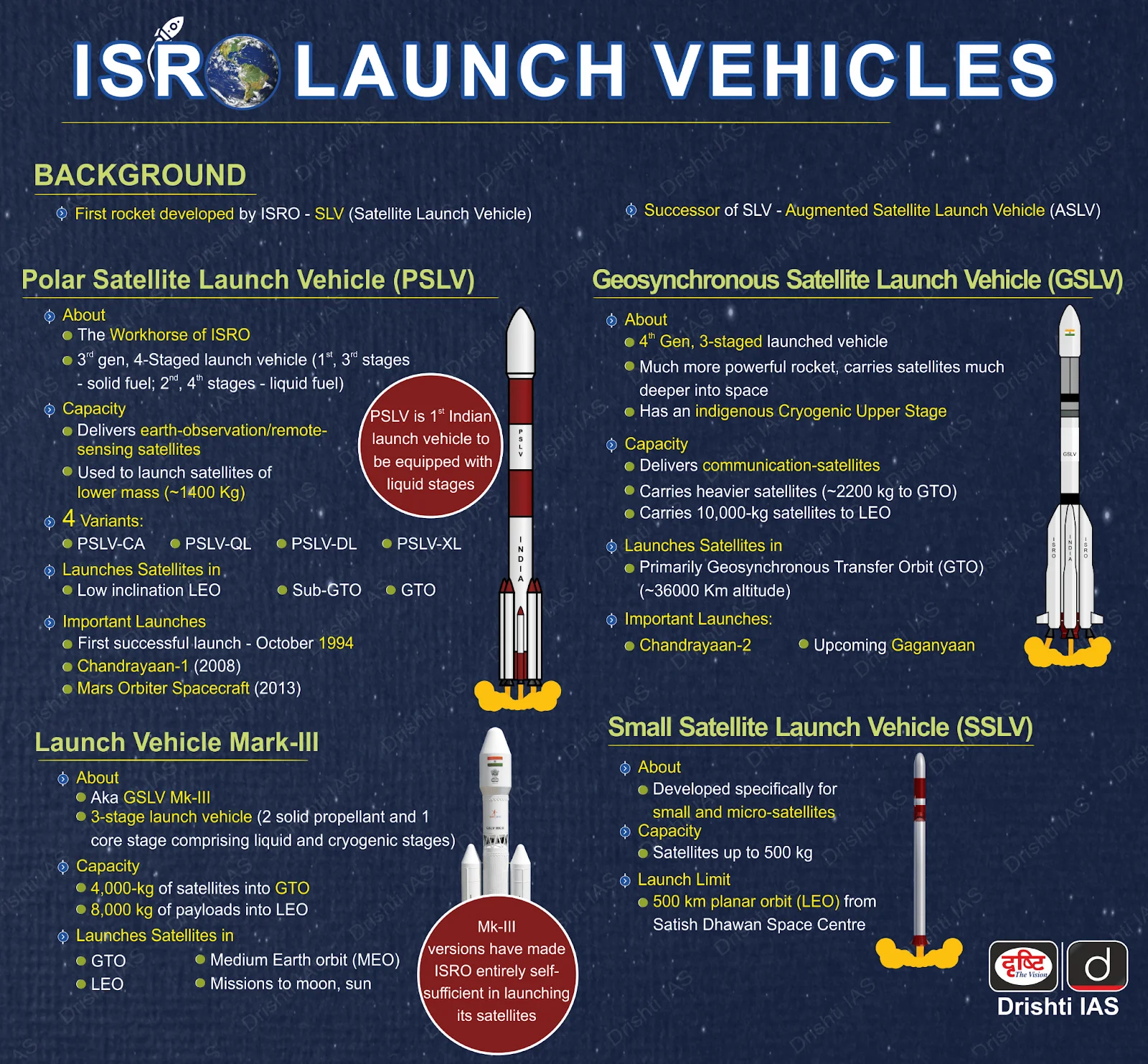
- About: The PSLV is India’s third-generation launch vehicle developed by the ISRO. Since its first successful launch in October 1994, PSLV has become the backbone of India’s space launch programme.
- PSLV was the first Indian rocket to use liquid propulsion stages, marking a major technological leap in India’s space programme.
- PSLV is known as ISRO’s “workhorse” because of its long record of consistent, precise, and cost-effective launches, especially into Low Earth Orbit (LEO) and Sun-Synchronous Polar Orbit (SSPO).
- PSLV Structure: Technically, PSLV is a four-stage rocket using an optimal mix of solid and liquid propulsion:
- PS1 (First Stage): It has a solid rocket motor that uses HTPB (hydroxyl-terminated polybutadiene) as propellant and generates high lift-off thrust, providing the initial lift-off force.
- In the PSLV-XL configuration, this stage is augmented by six solid strap-on boosters, significantly increasing thrust at launch and enabling the vehicle to carry heavier payloads.
- PS2 (Second Stage): It is powered by the Vikas liquid engine, which ensures a controlled and stable ascent after lift-off.
- It uses UDMH (unsymmetrical dimethylhydrazine) as fuel and N₂O₄ (nitrogen tetroxide) as oxidiser, producing thrust, allowing precise velocity and trajectory control.
- PS3 (Third Stage): It is a solid rocket motor that again uses HTPB propellant.
- It operates during the near-vacuum phase of flight and provides high thrust to accelerate the vehicle to the required orbital velocity, making it a critical stage for mission success.
- PS4 (Fourth Stage): It is a liquid propulsion stage with two engines, using MMH (monomethylhydrazine) and MON (mixed oxides of nitrogen).
- This stage enables highly precise orbital insertion, allowing PSLV to deploy satellites accurately, including in multi-orbit and multi-satellite missions.
- PS1 (First Stage): It has a solid rocket motor that uses HTPB (hydroxyl-terminated polybutadiene) as propellant and generates high lift-off thrust, providing the initial lift-off force.
- PSLV’s Payload Capacity: It can place up to 1,750 kg into a 600 km Sun-Synchronous Polar Orbit (SSPO), and around 1,425 kg into Sub-Geostationary Transfer Orbit (GTO), demonstrating high mission flexibility.
- Achievements: Its credibility was cemented by landmark interplanetary missions such as Chandrayaan‑1 and the Mars Orbiter Mission, which successfully travelled to the Moon and Mars respectively.
- PSLV has also launched a large number of foreign commercial satellites, reinforcing India’s position in the global launch market.
What are the Causes for PSLV-C61 and PSLV-C62 Failures?
- PSLV-C61:
- Mission objective: Deploy EOS-09, a high-resolution Earth observation satellite.
- Anomaly: Sudden drop in combustion chamber pressure in the third stage (PS3) after normal performance of the first two stages.
- Outcome: Vehicle failed to achieve required velocity, resulting in mission failure and loss of the satellite.
- PSLV-C62:
- Mission objective: Launch EOS-N1 (Anvesha) for the Defence Research and Development Organisation along with 15 commercial co-passenger satellites.
- Anomaly: Roll-rate disturbance and loss of control during the PS3 burn.
- A roll-rate disturbance is an unintended spin of the rocket around its long axis. It is dangerous because excessive roll can disorient navigation sensors and guidance systems, making control impossible.
- Outcome: Rocket deviated from trajectory, leading to the loss of all 16 satellites, including strategic and commercial payloads.
- Technical Issue: The PS3 stage is a solid rocket motor, which means it cannot be throttled or shut down once ignition occurs and is therefore extremely sensitive to manufacturing and material defects.
- Even minor defects in the PS3 solid motor can cause uneven burning, leading to pressure loss or side-venting of exhaust gases.
- In the case of PSLV-C62, such side-venting likely produced asymmetric thrust, generating excess torque that overwhelmed the vehicle’s attitude-control system.
- The result was uncontrolled spinning (roll anomaly), deviation from the planned trajectory, and eventual mission failure.
- Both failures point to PS3-specific issues, indicating a common failure mode.
What are the Concerns Regarding Repeated PSLV Failures?
- Strategic Implications:
- Surveillance Gaps: The primary payloads lost in these missions were Earth Observation Satellites (EOS-09 and EOS-N1/Anvesha).
- These assets are critical for border surveillance, monitoring military movements, and disaster management. A delay in deploying replacements creates a "blind spot" in India's space-based intelligence capabilities.
- Defence Reliance: With the military increasingly relying on dedicated space assets, launcher reliability is a matter of national security.
- Surveillance Gaps: The primary payloads lost in these missions were Earth Observation Satellites (EOS-09 and EOS-N1/Anvesha).
- Commercial Credibility Loss:
- Threat to Global Market Share: Through NewSpace India Limited (NSIL), India has been aggressively marketing the PSLV as a cost-effective and reliable launcher for international small satellites.
- Private players like SpaceX (Falcon 9 Rideshare) and emerging small-satellite launchers (e.g., Rocket Lab) are already fierce competitors.
- India’s global small-satellite launch share collapsed from about 35% in 2017 to nearly zero by 2024.
- Repeated mission failures can amplify this decline, giving competitors a clear advantage as global customers increasingly prioritise mission assurance and reliability over lower launch costs.
- Private players like SpaceX (Falcon 9 Rideshare) and emerging small-satellite launchers (e.g., Rocket Lab) are already fierce competitors.
- Rising Insurance Costs: In the space insurance market, premiums are determined by vehicle reliability.
- Two consecutive failures will likely cause insurance premiums for future PSLV launches to spike, potentially eroding the cost-competitiveness that makes ISRO attractive to foreign clients.
- Threat to Global Market Share: Through NewSpace India Limited (NSIL), India has been aggressively marketing the PSLV as a cost-effective and reliable launcher for international small satellites.
- Quality Control and Supply Chain Vulnerabilities:
- Systemic Manufacturing Defects: The fact that both failures were linked to the third stage (solid motor) suggests a systemic issue rather than a random error.
- Issues like propellant cracks, bonding defects, or nozzle material failure often stem from the manufacturing or storage phase.
- Component Dependency: Despite Atmanirbhar Bharat, India still depends on imports for space-grade electronics, carbon fibre, and semiconductors.
- India’s space-technology import costs are about 12 times higher than its export earnings (2021–22).
- This creates vulnerability to export controls and Taiwan-centric chip supply disruptions.
- Privatisation Challenges: As ISRO transfers 50% of PSLV development to an industry consortium (HAL-L&T), these failures raise concerns about technology transfer absorption and whether the stringent Quality Assurance (QA) standards are being maintained across the tiered supply chain.
- Systemic Manufacturing Defects: The fact that both failures were linked to the third stage (solid motor) suggests a systemic issue rather than a random error.
What Steps Should ISRO Adopt to Restore Technical Reliability and Commercial Credibility?
- Restore Launch Reliability: India must move from mission-centric testing to fleet-level reliability engineering, using block upgrades, rapid feedback loops, and incremental validation.
- ISRO should openly commit to a “reliability-first phase”, prioritising fewer launches with higher scrutiny and full disclosure. Short-term commercial losses are manageable to long-term reputational damage.
- Institutionalise Transparency After Failures: Failure Analysis Committee (FAC) findings should be mandated to be released in a time-bound manner, with sensitive details redacted if needed.
- Transparency reassures insurers, commercial clients, and strategic partners far more than silence or vague statements.
- Diversify Launch Infrastructure: India’s near-total dependence on Sriharikota should be reduced by accelerating a second orbital launch site and fully operationalising alternative pads.
- India must create a fully empowered Space Command with operational authority and dedicated funding, shift to constellation-based ISR (Intelligence, Surveillance, and Reconnaissance), and SSA (Space Situational Awareness), and ensure real-time fusion of space data into a joint military operating picture.
- This improves redundancy, weather resilience, and crisis-response capability.
- Accelerate indigenisation of critical components: Mission-linked indigenisation is needed for space-grade electronics, TWTs, composites, and semiconductors.
- Assured government demand should be used to de-risk private manufacturing and reduce exposure to export controls and supply shocks.
Conclusion
India’s space challenge is no longer about capability, but about credibility, resilience, and execution. Restoring confidence requires moving from isolated fixes to a whole-of-system transformation, where technical reliability, strategic autonomy, and commercial growth reinforce each other. In space, trust is built slowly—but lost instantly; India’s response must therefore be decisive, transparent, and forward-looking.
|
Drishti Mains Question: The Polar Satellite Launch Vehicle (PSLV) has long been regarded as the workhorse of India’s space programme. In the context of recent PSLV failures, examine the challenges and their implications for India’s global launch credibility. |
Frequently Asked Questions (FAQs)
1. What caused the failure of PSLV-C61 and PSLV-C62 missions?
Both missions failed due to anomalies in the third stage (PS3), a solid rocket motor, involving chamber pressure loss (C61) and roll-rate disturbance (C62).
2. Why is a third-stage failure particularly critical in PSLV?
PS3 operates in near-vacuum and provides final acceleration; solid motors cannot be throttled or shut down, making them highly sensitive to manufacturing defects.
3. How do repeated PSLV failures affect India’s strategic interests?
They delay deployment of Earth Observation and surveillance satellites, creating intelligence gaps and affecting border security, disaster management, and defence preparedness.
4. What key reforms are needed to restore confidence in ISRO?
Critical steps include fleet-level reliability engineering, transparent FAC reporting, diversified launch infrastructure, accelerated indigenisation, and creation of a fully empowered Space Command.
UPSC Civil Services Examination, Previous Year Question (PYQ)
Prelims
Q. With reference to India’s satellite launch vehicles, consider the following statements: (2018)
- PSLVs launch the satellites useful for Earth resources monitoring whereas GSLVs are designed mainly to launch communication satellites.
- Satellites launched by PSLV appear to remain permanently fixed in the same position in the sky, as viewed from a particular location on Earth.
- GSLV Mk III is a four-staged launch vehicle with the first and third stages using solid rocket motors, and the second and fourth stages using liquid rocket engines.
Which of the statements given above is/are correct?
(a) 1 only
(b) 2 and 3
(c) 1 and 2
(d) 3 only
Ans: (a)
Mains
Q. What is the main task of India’s third mood mission which could not be achieved in its earlier mission? List the countries that have achieved this task. Introduce the subsystems in the spacecraft launched and explain the role of the ‘Virtual Launch Control Centre’ at the Vikram Sarabhai Space Centre which contributed to the successful launch from Sriharikota.(2023)
Q. What is India’s plan to have its own space station and how will it benefit our space programme? (2019)
Q. Discuss India’s achievements in the field of Space Science and Technology. How the application of this technology helped India in its socio-economic development? (2016)
Important Facts For Prelims
Rising State Borrowings and Their Impact on Bond Yields
Why in News?
A sharp rise in borrowing by Indian States is complicating the Reserve Bank of India’s (RBI) efforts to lower interest rates. Despite repo rate cuts, Central government bond yields remain elevated, as heavy State-level debt issuance is distorting the bond market and weakening monetary transmission.
What are the Key Facts About the Bond Yield?
- Bond Yield: It is the return earned by an investor on a bond, expressed as a percentage of its price, primarily through interest (coupon) payments, and serves as a key indicator of borrowing costs and market interest rates, while also acting as a benchmark for interest rates across the economy.
- A bond is a debt security where an investor lends money to an entity (like a government or corporation) for a set period, receiving regular interest payments (coupons) and the principal back at maturity.
- Factors Affecting Bond Yield:
- Interest Rate Policy: When the RBI cuts policy rates, bond yields generally fall; rate hikes push yields up.
- Inflation Expectations: Higher expected inflation leads investors to demand higher yields to protect real returns.
- Government Borrowing: Large bond issuances by the Centre or States increase supply, pushing yields upward.
- Economic Growth Outlook: Strong growth expectations raise demand for credit, often leading to higher yields.
- Global Factors: US Treasury yields, global liquidity, and foreign capital flows influence domestic bond yields.
- Credit Risk: Higher perceived risk leads investors to demand higher yields.
- Yield Curve: The yield curve is a graph that shows bond yields across different maturities. It indicates the returns investors expect for lending money over various time periods.
- An inverted yield curve, where long-term yields fall below short-term yields, is widely seen as a leading indicator of an economic slowdown or recession.
- Bond Yield Vs. Bond Price: Bond prices and bond yields move in an inverse relationship.
- While a bond’s coupon rate remains fixed after issuance, market interest rates keep changing. When interest rates fall, new bonds offer lower coupons, making existing higher-coupon bonds more attractive, which raises their prices and lowers yields.
- Conversely, when interest rates rise, new bonds offer higher coupons, reducing the attractiveness of existing bonds, causing their prices to fall and yields to increase.
Rising State Borrowings and Implications on Bond Yield
- Scale of Borrowing: In FY 2025–26, Indian States are set to borrow nearly as much as the Centre, with gross issuances of about Rs 12.5 trillion compared to the Centre’s Rs 14.6 trillion, while net State borrowing (~ Rs 9 trillion) is approaching the Centre’s Rs 10.3 trillion, signalling a major shift in public borrowing patterns.
- Investors Preference of State Debt over Central Securities:
- Quasi-Sovereign Status: State Development Loans (SDLs) are treated as near-sovereign instruments. Default risk is considered negligible due to statutory repayment mechanisms and oversight by the RBI.
- Attractive Yield Spreads: SDLs offer a higher return, with a yield premium of 80–100 basis points over Central Government Securities (G-secs), making them more attractive to long-term investors.
- Market Substitution Effect: Banks, insurance companies, and pension funds increasingly substitute G-secs with State bonds to earn higher yields. This reduces demand for sovereign bonds and pushes up Central government bond yields.
- Impact on Economy: Raises long-term interest rates and contributes to a steeper yield curve.
- Weakens monetary policy transmission, as higher bond yields offset RBI rate cuts.
- Creates coordination challenges in fiscal federalism, as rising State borrowings complicate national debt and monetary management.
- Potential Policy Correctives: Policy options include higher long-term infrastructure loans from the Centre to States, greater access to the small savings pool, and better staggering of State bond maturities to ease bond market stress.
Frequently Asked Questions (FAQs)
1. What is bond yield?
Bond yield is the return earned on a bond, expressed as a percentage of its price, and reflects borrowing costs and market interest rates.
2. Why are bond yields important for the economy?
They act as a benchmark for lending rates, influence investment decisions, and indicate the effectiveness of RBI’s monetary policy.
3. How do State borrowings affect bond yields?
Large State bond issuances increase supply, pushing yields higher and weakening the transmission of RBI’s rate cuts.
4. What is the relationship between bond yield and bond price?
Bond yields and prices move inversely—when prices rise, yields fall, and vice versa.
5. Why do RBI rate cuts sometimes fail to lower bond yields?
High government borrowing, inflation expectations, and global factors can offset the impact of policy rate cuts.
UPSC Civil Services Examination, Previous Year Questions (PYQs)
Prelims
Q. Indian Government bond yields are influenced by which of the following? (2021)
- Action of the United States Federal Reserve
- Action of the Reserve Bank OF India
- Inflation and short-term interest rates
Select the correct answer using the code given below.
a) 1 and 2 only
b) 2 only
c) 3 only
d) 1, 2 and 3
Ans: C


Rapid Fire
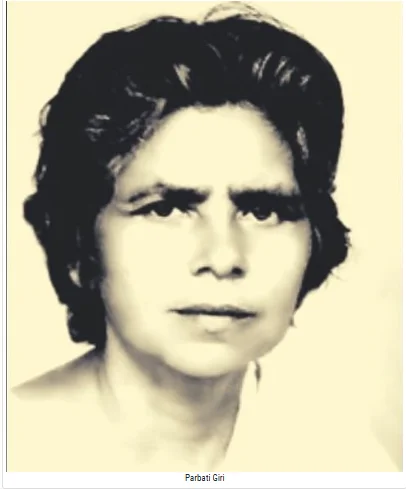
Birth Centenary of Parbati Giri
The Prime Minister of India paid homage to freedom fighter Parbati Giri Ji on her birth centenary.
- Early Life: Parbati Giri was born on 19th January 1926 in Samlaipadar, Bargarh district of Odisha, and was inspired by nationalist ideas through Congress activities led by her uncle Ramachandra Giri.
- Entry Into Freedom Struggle: In 1938, she left home to dedicate herself fully to the freedom struggle through the Indian National Congress, embracing Gandhian ideals such as khadi, self-reliance, and constructive social work as a way of life.
- Role in National Movements: Actively mobilised villagers during the Individual Satyagraha (1940).
- She promoted Khadi Andolan and self-reliance and played a bold role in the Quit India Movement (1942), leading rallies with the tricolour.
- Parbati Giri famously challenged British authority in Bargarh Court, leading to two years of imprisonment.
- Social Reform and Humanitarian Work: Parbati Giri led famine relief operations during the 1951 Odisha famine.
- She worked extensively on prison reforms, leprosy eradication, and the welfare of the destitute and marginalized.
- Legacy and Recognition: She earned the title “The Mother Teresa of Western Odisha” and was also known as “Banhi Kanya” for her fiery patriotism.
- She was awarded an Honorary Doctorate by Sambalpur University in 1988.
- Parbati Giri passed away on 17th August 1995. She is remembered as a powerful symbol of women’s participation in the freedom struggle, seamlessly blending militant nationalism with Gandhian social service.
| Read more: Role of Women in the Freedom Struggle |
Rapid Fire
Sammakka–Saralamma Jatara
Telangana will host the Sammakka–Saralamma Jatara (Medaram Jatara) from 28 January 2026 at Medaram village in Mulugu district.
Sammakka–Saralamma Jatara
- About: The Medaram Jatara is a three-day, biennial tribal festival of the Koya community, held in the month of Magha (February), recognised as one of the world’s largest indigenous spiritual congregations, and was declared a State Festival in 1996.
- Location: The festival is held in the forests of Dandakaranya within the Eturnagaram Wildlife Sanctuary, on the banks of Jampanna Vagu, a tributary of the Godavari River.
- Jampanna Vagu is named after the warrior Jampanna, who died fighting the Kakatiya army.
- Historical and Folklore origins: Sammakka, found as an infant among tigers, became a tribal leader and married Pagididda Raju, bearing Saralamma, Nagulamma and Jampanna.
- Sammakka resisted Kakatiya rulers following famine and unjust taxation, after a battle that killed her family, she disappeared into the forest, leaving behind bangles and kumkum, which remain her sacred symbols.
- Core Belief System: The festival centres on kinship worship, invoking Sammakka, Saralamma, Pagididda Raju and Govinda Raju as a family, not as a distant cosmic pantheon.
- It has no Vedic or Brahmanic influence, rooted entirely in animist and clan-based belief systems of the Koya community.
- Key Rituals: Devotees offer “bangaram” (jaggery equal to body weight), and take a sacred dip in Jampanna Vagu. The goddesses are symbolically brought from Chilakalagutta hill to the gadde (platform) once every two years, instead of devotees going to the hill to worship.
- Cultural Significance: The Jatara symbolises tribal memory, resistance and identity, reflecting Adivasi cosmology and kinship worship, and now draws non-tribal participation.

| Read more: Medaram Jathara Festival |


Rapid Fire
National Disaster Response Force (NDRF) Raising Day
Recently, the Prime Minister greeted and commended the National Disaster Response Force (NDRF) on its Raising Day on 19th January 2026, marking the formation of the force.
National Disaster Response Force (NDRF)
- About: The NDRF was raised on 19th January 2006 under Disaster Management Act, 2005 and has expanded from 8 to 16 battalions, with 18,556 personnel deployed across 68 locations, including Regional Response Centres and Tactical Pre-positioning Locations.
- Structure: It operates through four operational zones headquartered in New Delhi, with each battalion comprising 18 specialised search and rescue teams, while the NDRF Academy (2018) serves as the apex training institution with a new campus under development at Nagpur.
- Mandate and Scope: The NDRF is mandated to respond to all natural and man-made disasters, including collapsed structures, floods, Chemical, Biological, Radiological and Nuclear(CBRN) incidents, mountain and rope rescue, medical first response and animal rescue, with forest fire response added in 2022.
- Global Disaster Response Experience: The NDRF has significant international experience, including operations during the Japan disaster (2011), Nepal earthquake (2015) and Operation Dost in Türkiye (2023), and is currently mentoring a Heavy Urban Search and Rescue team for International Search and Rescue Advisory Group (INSARAG) certification.
- CBRN Response & Training: Recognising emerging risks, the NDRF declared 2024 as the “Year of CBRN Preparedness” and conducted national workshops, specialised training, SOP formulation and coordination exercises.
| Read more: National Disaster Response Fund |
Rapid Fire
US Secondary Tariffs over Iran Trade
The US President has announced to impose a 25% tariff on any nation trading with Iran, but expected to have minimal direct economic impact on India due to already diminished bilateral trade.
India–Iran Economic Relations
- Minimal Trade: India-Iran trade has declined sharply from nearly USD 15 billion pre-2020 to USD 1.6 billion in FY25, making Iran not among India’s top 50 trading partners and limiting direct tariff impact.
- Key Sectors Affected: Despite low volume, targeted Indian exports like cereals, tea, coffee, spices, animal fodder, and fruits & nuts could face strain.
- Chabahar Port Investment: Beyond trade, India has significant strategic investment in Iran’s Chabahar Port, a gateway to Afghanistan and Central Asia, involving a 10-year operations contract, USD 120 million grant, and a USD 250 million Line of Credit.
- Historical Context: India was a major importer of Iranian crude oil until US sanctions under the Trump administration in 2018 forced a halt, demonstrating prior vulnerability to US secondary sanctions.
- Global Implications: The proposed tariffs would primarily affect China, Iran's largest trading partner, which bought over 80% of Iran's shipped oil in 2025 and accounted for USD 22 billion in total Iranian exports in 2022. Iran's other major trade partners include the UAE, Türkiye, and the EU.
| Read More: India Secures Six-Month US Waiver for Chabahar Port |


Rapid Fire
Border Roads Organisation
In 2024–25, the Border Roads Organisation(BRO) dedicated 356 infrastructure projects to the nation and recorded its highest-ever expenditure of ₹16,690 crore, boosting border connectivity.
- About: The BRO is widely recognised as India’s leading infrastructure agency in high-altitude, snow-bound and extremely difficult terrains, where conventional engineering agencies cannot operate.
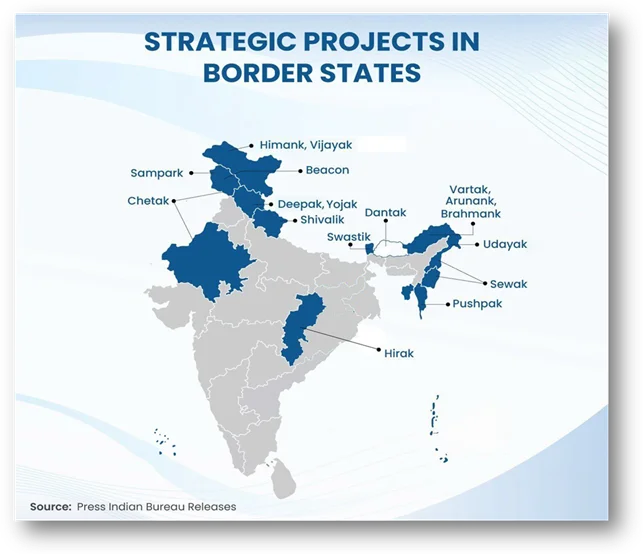
- Genesis: Established on 7th May 1960 with Project Vartak in the East and Project Beacon in the North, BRO today operates 18 field projects across 11 States and 3 Union Territories.
- Mandate and Core Functions: It develops and maintains strategic border infrastructure for all-weather connectivity and defence preparedness, while also acting as a first responder in disasters, exemplified by the record reopening of Zoji La in 68 days (2023).
- Institutional Framework: It functions as an executive force under the Ministry of Defence and operates under the Border Roads Development Board (BRDB).
- Achievements: BRO has created key assets such as Atal, Sela and Shinkun La tunnels, Siyom, Sisseri and Devak bridges, roads under Projects Vijayak and Swastik and upgraded Bagdogra and Barrackpore airfields, ensuring all-weather strategic connectivity.
- Global outreach: Overseas projects including Project DANTAK (Bhutan), the India–Myanmar Friendship Road, the Delaram–Zaranj Highway (Afghanistan) and infrastructure works in Tajikistan reinforce India’s regional connectivity and strategic partnerships.
| Read more: Border Roads Organisation 65th Raising Day |
Rapid Fire
Ban on Illegal Betting & Gambling Sites
Recently, the Union Government blocked 242 illegal betting and gambling websites, taking the total blocked under this category to 7,800, following the ban on real-money online gaming under the Promotion and Regulation of Online Gaming Act, 2025.
Online Gambling
- About: Online gambling involves internet-based betting to win money or prizes, covering casino games, sports betting, poker and lotteries, with regulations varying across countries.
- Modus Operandi: Illegal operators exploit regulatory gaps by avoiding GST, frequently switching URLs to evade blocking, and siphoning funds abroad through mule accounts, complicating enforcement and financial recovery.
- Status in India: Although betting and gambling traditionally fall under Entry 34 of the State List, the Promotion and Regulation of Online Gaming Act, 2025, has imposed a nationwide ban on all real-money online games.
- The Act prohibits offering, advertising, or facilitating real-money gaming and bars banks and financial institutions from processing payments linked to such platforms.
- Authorities are empowered to block illegal online gaming and gambling platforms using powers under the Information Technology Act, 2000.
- GST Provision: A 28% GST applies to online money gaming, casinos and horse racing.
- Online Gaming vs Gambling: The activities based mainly on skill are treated as gaming, while those based on chance/luck are treated as gambling.
| Read more: Regulating India’s Online Gaming Industry |