


Rapid Fire
Emperor Penguin Declared as Endangered by IUCN
- 13 Apr 2026
- 3 min read
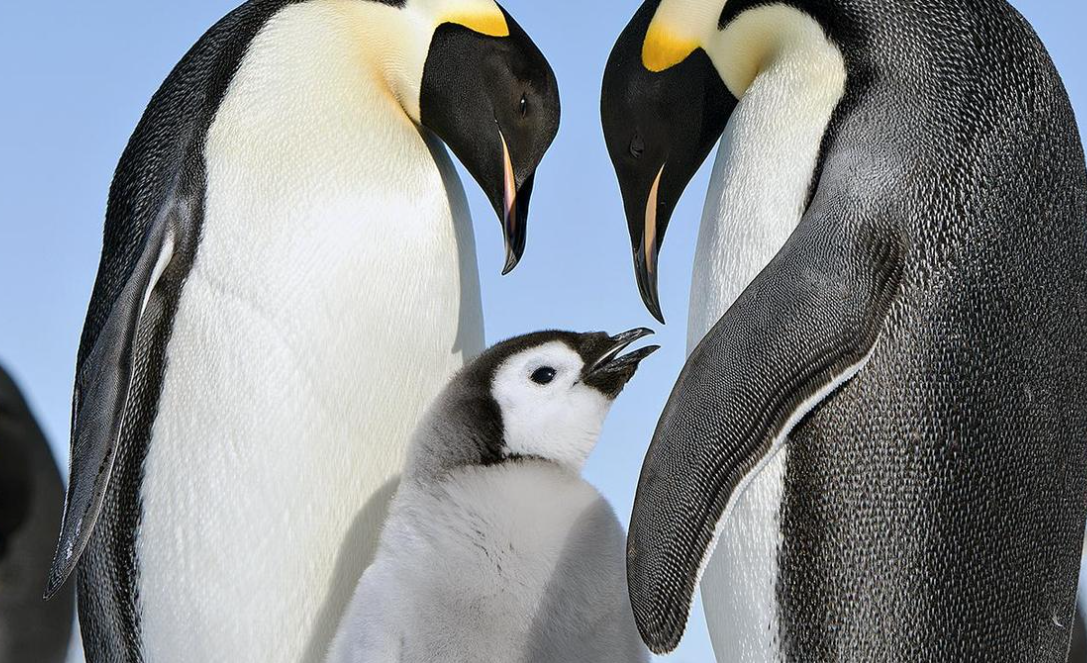
Recently, the International Union for Conservation of Nature declared the Emperor Penguin an endangered species, which also serves as a sentinel species for climate change impacts in Antarctica.
- About: Emperor Penguins are the largest and heaviest penguin species, distinguished by a golden-orange streak on their neck and chest.
- Navigation: They use the position of the sun, Earth’s magnetic field, and memory to navigate across vast Antarctic distances.
- Breeding and Parental Adaptation: They breed during the harsh Antarctic winter, and males incubate the egg on their feet for about two months without eating, surviving on stored body fat, while females travel long distances to hunt and return with food for the chick.
- Thermoregulation Behavior: They form tight huddles in temperatures below -40°C and rotate positions so each individual gets time in the warmer center, helping conserve heat.
- Impact of Climate Change: They are highly dependent on sea ice for living, hunting, and breeding, making them extremely vulnerable to climate change, with global warming projected to reduce their population by up to 50% by the 2080s.
Sentinel Species
- About: Sentinel species are organisms whose health reflects the condition of the ecosystem, providing early warning signs of environmental degradation.
- The use of canaries in coal mines historically demonstrated the sentinel principle, as they reacted faster to carbon monoxide than humans.
- Function: These species often occupy fixed habitats, live long enough to accumulate toxins, and possess biological traits that amplify environmental impacts.
- They respond quickly and visibly to environmental stressors such as pollution, disease, and climate change.
- Examples: Frogs (sensitive due to permeable skin), honeybees (track agricultural chemicals), polar bears (indicate Arctic contamination), and certain fish species (detect industrial runoff) act as sentinel species, with their decline signalling broader ecological stress.
| Read more: IUCN Red List - Drishti IAS |



