|
Place
|
Key Facts & Figures
|
|
GREENLAND
|
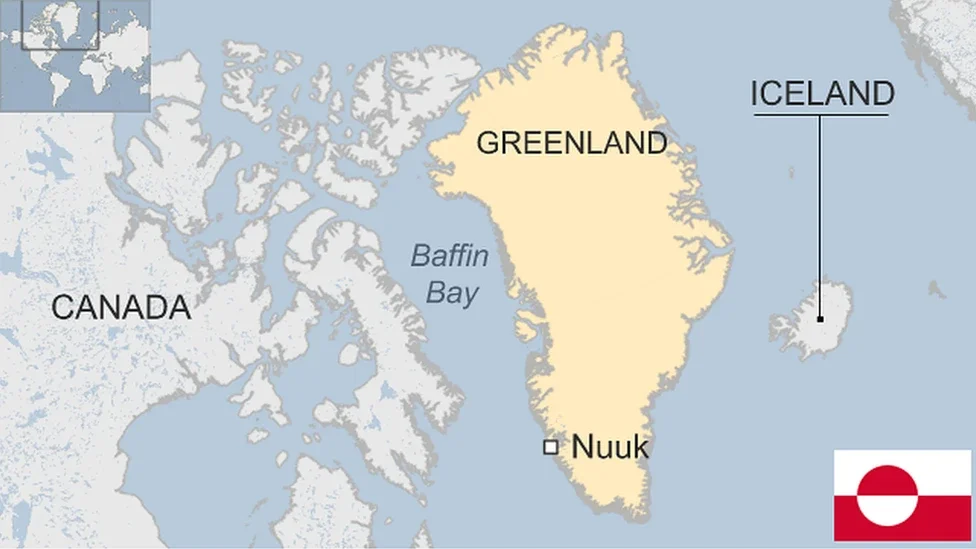
Context: Recently, Denmark's Prime Minister dismissed U.S. suggestions regarding the annexation of Greenland.
Key Facts
- It shares maritime borders with Canada (to the west), Iceland (to the southeast), and Norway (via Jan Mayen).
- It is an autonomous territory within the Kingdom of Denmark.
- Capital: Nuuk
- Pituffik Space Base: Formerly known as Thule Air Base, it is the U.S. Space Force's northernmost base, critical for missile warning and satellite tracking.
|
|
DURAND LINE
|
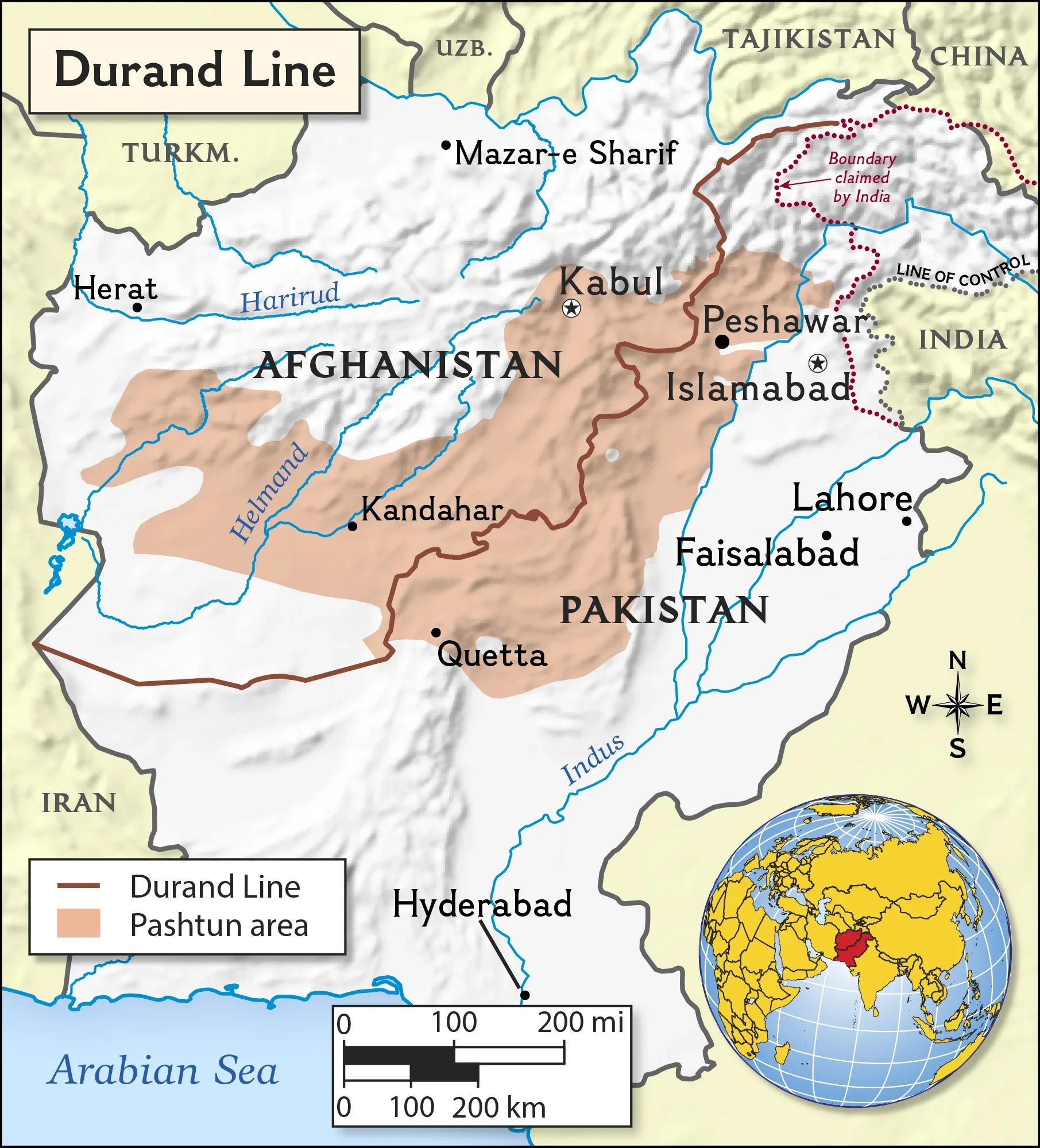
Context: The historically disputed Durand Line has recently witnessed frequent clashes between Afghan Taliban forces and Pakistani troops over border fencing.
Key facts
- Established in 1893 through an agreement between Sir Mortimer Durand, a British colonial administrator, and Abdur Rahman Khan, the then Emir of Afghanistan.
- The Durand Line is a 2,640-kilometer (1,640-mile) porous border separating Pakistan and Afghanistan.
- Key border crossings like Torkham and Chaman-Spin Boldak.
- Designed to demarcate the spheres of influence between British India and the Afghan Emirate, serving as a buffer zone against the Russian Empire during the "Great Game."
|
|
GERD ETHIOPIA
|
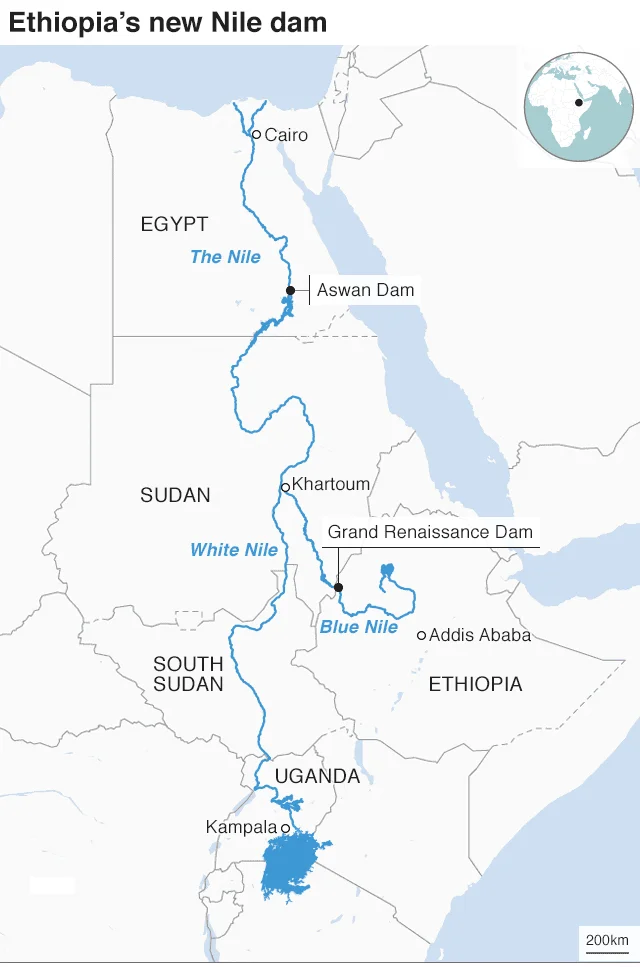
Context: In late 2025, Ethiopia announced the final completion of the dam's construction.
Key Facts
- It is a massive gravity dam located on the Blue Nile river in the Benishangul-Gumuz region of Ethiopia.
- Once fully operational in 2026, it will be the largest hydroelectric power plant in Africa.
- Egypt views the dam as an existential threat to its water security, as it relies on the Nile for 90% of its freshwater needs.
- Egypt justifies its water rights using 1929 and 1959 treaties from the British era.
|
|
ESWATINI
|
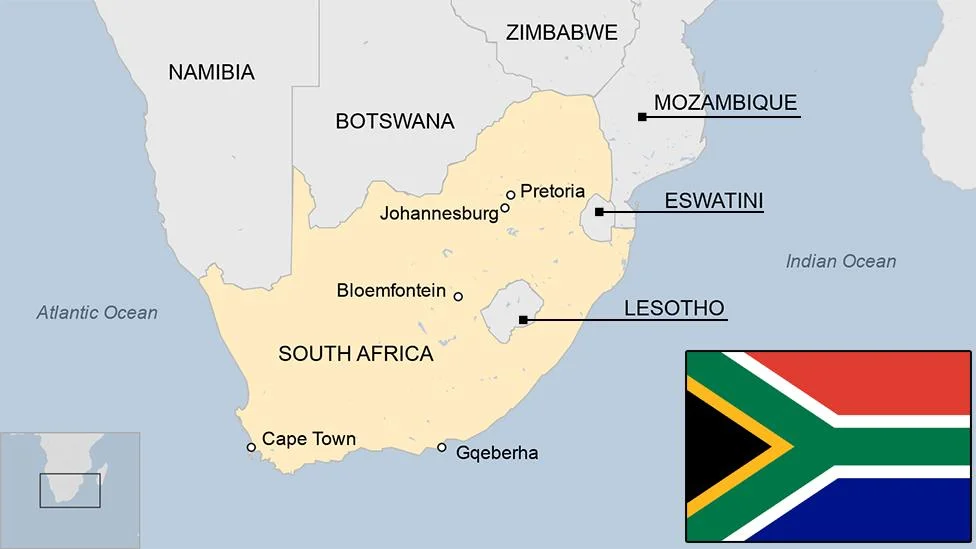
Context: The U.S. has deported a small number of criminals to Eswatini, Africa’s final absolute monarchy.
Key Facts
- Eswatini is a landlocked Southern African nation situated between South Africa and Mozambique.
- It is Africa’s last absolute monarchy, where King Mswati III holds total control and rules by decree.
- Over half of the 1.2 million population lives in extreme poverty, subsisting on less than $4 a day.
|
|
NORD STREAM PIPELINE
|
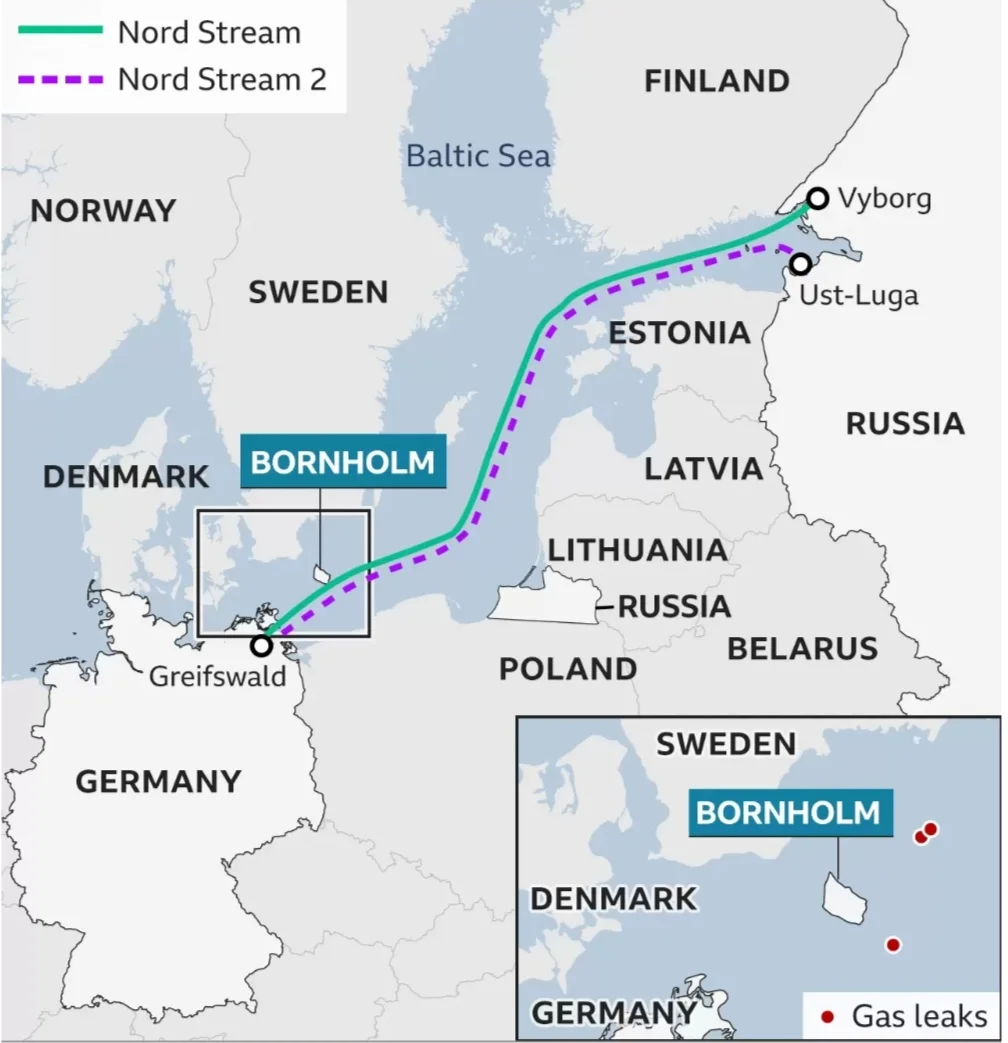
Context: Recently, leaks were found in the pipelines comprising the Nord Stream pipelines (Nord Stream 1 and Nord Stream 2) located near Denmark and Sweden.
Key Facts
- Running through the Baltic Sea to connect Russia (Vyborg/Ust-Luga) directly with Germany (Lubmin).
- Designed to transport Russian gas to Europe.
- Although completed in 2021, Nord Stream 2 never entered operation as Germany halted certification.
- Major leaks occurred in September 2022 following underwater explosions near Denmark's Bornholm Island.
- Led by the Russian state-owned company Gazprom, which holds a 51% stake in the consortium alongside European energy partners.
|
|
CONFLICT ZONES (US - ISRAEL - IRAN WAR)
|
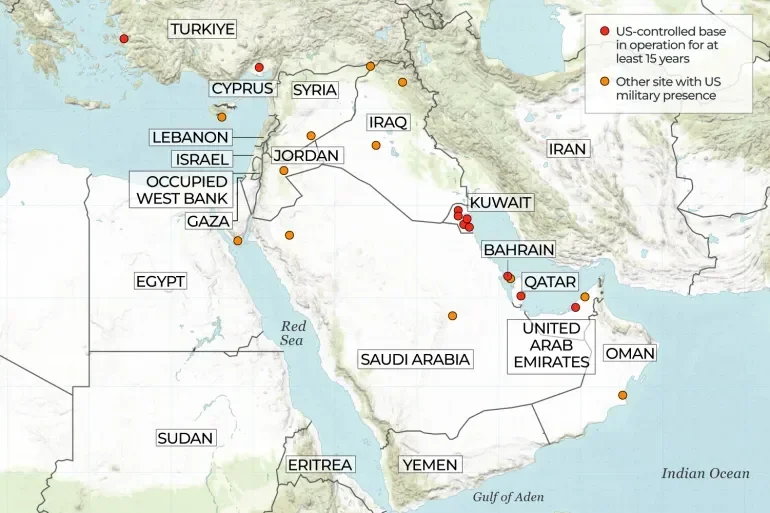
Context: The United States and Israel carried out coordinated strikes on Iran, prompting Iranian retaliatory attacks on economic targets across the Gulf Cooperation Council (GCC) states.
Key Facts
- The Strait of Hormuz: Located between Oman and Iran, it is the world’s most sensitive oil chokepoint.
- The "Netzarim Corridor": This is a strategic military strip established by Israel to bisect the Gaza Strip from east to west.
- The "Blue Line": This UN-recognized demarcation line separates Lebanon and Israel.
- Al-Tanf Garrison: This is a strategic US military outpost located at the tri-border area of Syria, Iraq, and Jordan, specifically situated to disrupt Iran's "land bridge" to the Mediterranean.
- The Bab-el-Mandeb Strait: Controlled via the Houthi-held territories in Yemen, this chokepoint has seen repeated Iranian-linked missile strikes on international shipping, forcing a major naval response from the US-led "Operation Prosperity Guardian."
|
|
POLAR SILK ROAD
|
Context: Recent US remarks on Greenland have revived debate on China’s Arctic ambitions, though expert assessments indicate China’s direct military presence in the region remains limited.
Key facts
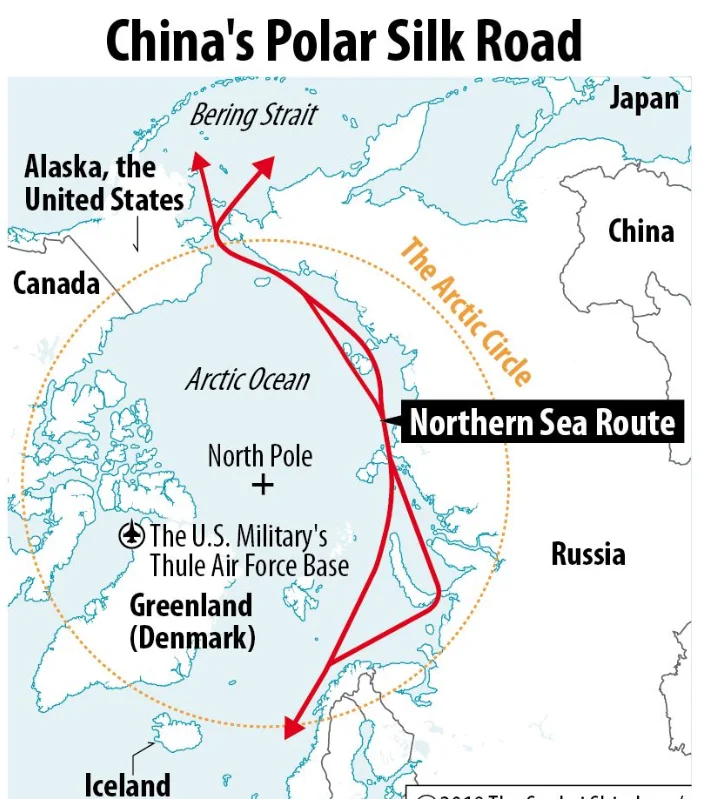
- The Polar Silk Road is an Arctic extension of China’s Belt and Road Initiative (BRI) designed to develop new shipping routes and access resources exposed by melting ice.
- China’s 2018 Arctic Policy officially defined the nation as a “near-Arctic state”.
- The project focuses on the Northern Sea Route (NSR) along Russia’s coast, which can reduce the shipping distance between Asia and Europe by up to 40%.
- China aims to secure energy supplies and bypass traditional maritime chokepoints like the Suez Canal and the Strait of Malacca through a strategic partnership with Russia.
|
|
RED SEA
|
Context: Houthi attacks on commercial vessels disrupted global oil & container traffic
Key Facts
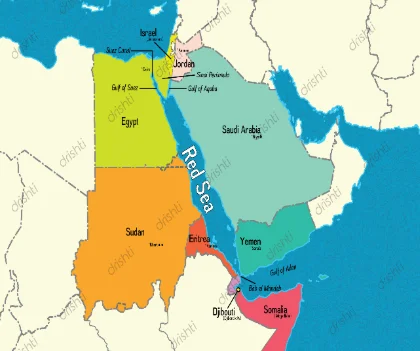
- Connects Indian Ocean → Suez Canal → Mediterranean
- Borders: Egypt, Sudan, Eritrea, Djibouti, Saudi Arabia, Yemen
- One of world’s warmest + highest salinity seas
- Major global chokepoint: Bab-el-Mandeb Strait
- 30% container shipping passes
- 12% world trade & 8–10% oil transported
|
|
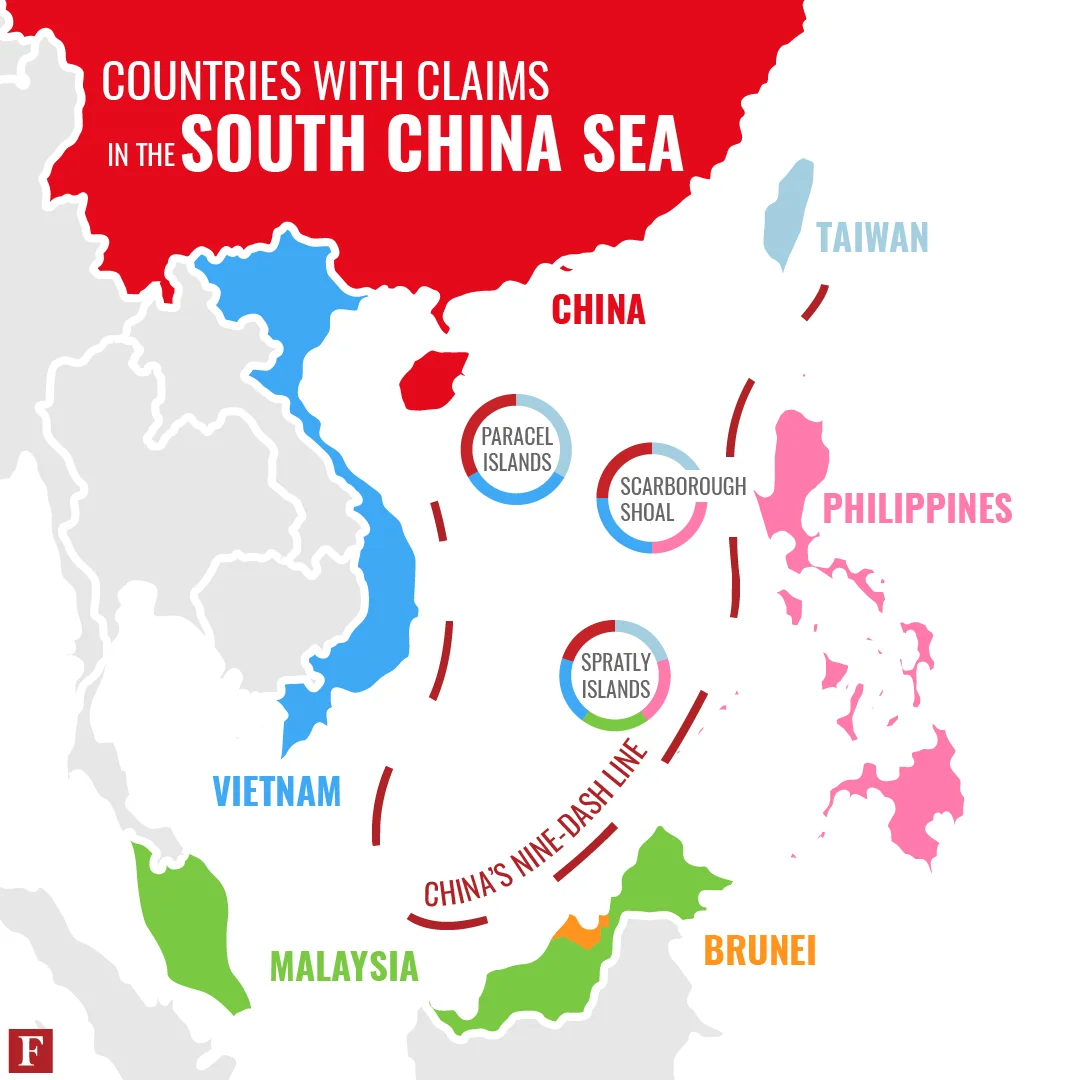
SOUTH CHINA SEA
|
Context: China’s militarisation, territorial disputes, US–China confrontations
Key Facts
- Claimed by China, Vietnam, Philippines, Malaysia, Brunei
- Contains Spratly & Paracel Islands
- Estimated 11 billion barrels oil
- 190 trillion cubic feet natural gas
- 30% global shipping trade
- World’s busiest marine route
- China’s “Nine-dash line” claims almost entire sea
- Overlaps EEZs of ASEAN nations
|
|
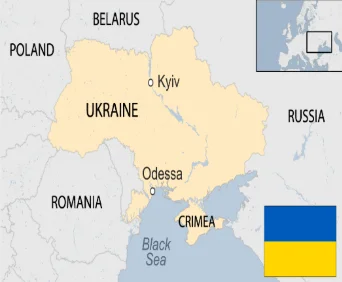
UKRAINE
|
Context: Russia-Ukraine conflict continued + EU security concern.
Key Facts
- Capital: Kyiv
- Major Black Sea coastline
- Among top wheat exporters before war
- Largest country in Europe (excluding Russia’s Asian part)
- Borders: Belarus, Poland, Slovakia, Hungary, Romania, Moldova, Russia
- Nuclear power plants include Zaporizhzhya
- Dnipro River major corridor
- Indian students evacuation – “Operation Ganga”
|
|
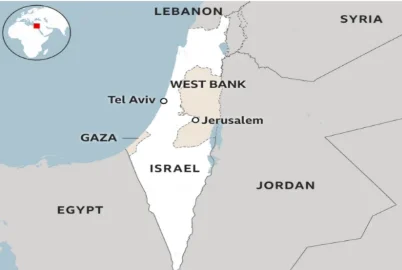
ISRAEL–GAZA (PALESTINE)
|
Context: Conflict, humanitarian crisis, air strikes, border escalation.
Key Facts
- Population density one of highest globally
- Controlled by Hamas (2007)
- Borders: Israel, Egypt, Mediterranean
- West Bank administrative seat – Ramallah
- Israel capital claim: Jerusalem
- UN Resolution 242 still central in diplomatic discussions
|
|
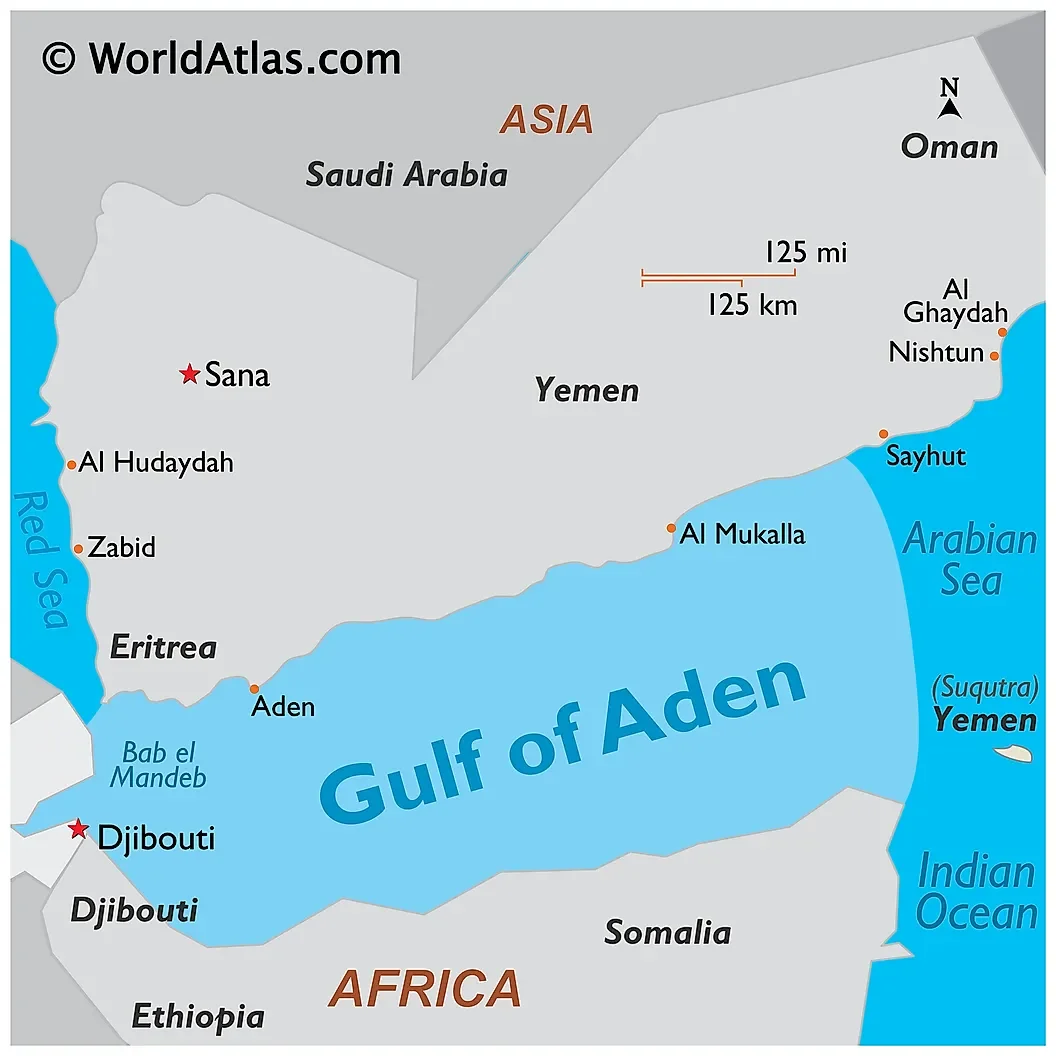
BAB-EL-MANDEB
|
Context: Strategic chokepoint disruption.
Key Facts
- Connects Red Sea to Gulf of Aden
- Between Africa & Arabian Peninsula
- Controlled partly by Djibouti, Eritrea, Yemen
- Major route for Middle-East Oil to Europe
|
|
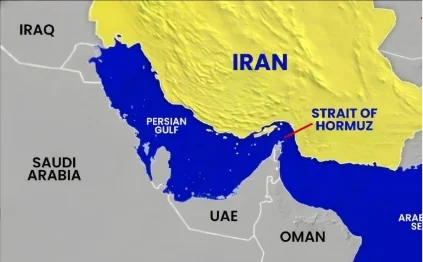
HORMUZ STRAIT
|
Context: Iran–US tensions + naval incidents.
Key Facts
- Strait between the Persian Gulf and the Gulf of Oman
- Between Iran–Oman
- It provides the only sea passage from the Persian Gulf to the open ocean.
- 20% global petroleum trade
- Critical maritime chokepoint
|
|
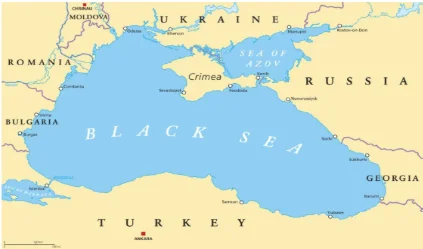
BLACK SEA
|
Context: Ukraine conflict, NATO naval presence.
Key Facts
- Enclosed sea connected to Mediterranean via Bosporus
- Borders: Turkey, Bulgaria, Romania, Ukraine, Russia, Georgia
- Major ports: Odessa, Sevastopol
- Strategically vital for grain exports
|
|
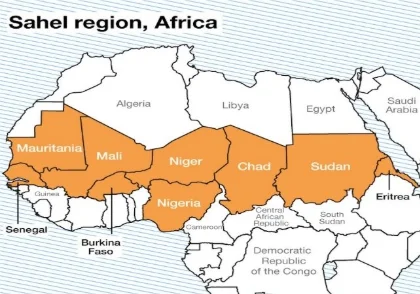
SAHEL REGION
|
Context: Coups in Niger, Mali, Burkina Faso + terrorism.
Key Facts
- Semi-arid belt south of Sahara
- Stretches across 10 countries
- Major jihadist presence
- Food insecurity hotspot
|
|
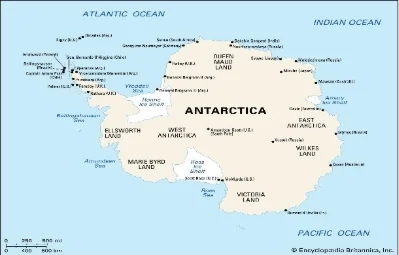
ANTARCTICA
|
Context: Warming accelerates + melting ice records.
Key Facts
- Largest ice mass on Earth
- Holds ~70% global freshwater
- Controlled under Antarctic Treaty (1959)
- India operates Bharati & Maitri stations
|
|
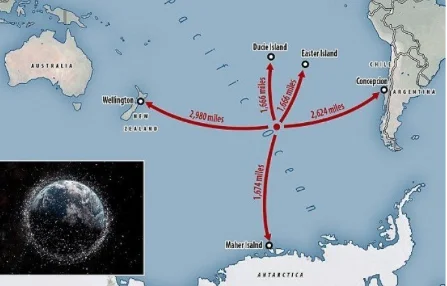
Point Nemo (South Pacific Ocean)
|
Context: Indian Navy women officers crossed Point Nemo during circumnavigation.
Key Points
- Most remote point on Earth (Oceanic Pole of Inaccessibility)
- Located in South Pacific Gyre
- Used by space agencies for de-orbiting satellites
- Biologically nutrient-poor (called “oceanic biological desert”)
- Closest land ~2,600 km away
- Part of Southern Hemisphere westerlies
- Surrounded by strong Coriolis effects
|
|
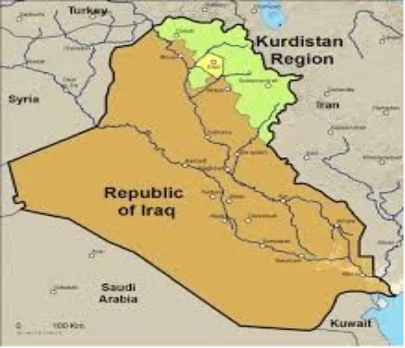
Kurdistan (Capital Erbil – Iraq Region)
|
Context: India sent humanitarian aid.
Key Points
- Plateau across Iraq, Turkey, Iran
- Mountain systems: Zagros & Taurus extension
- Rivers – Tigris & Greater Zab
- Rich in oil & natural gas reserves
- A region demanding greater autonomy
- Major Kurdish population spread across the Middle East
|
|
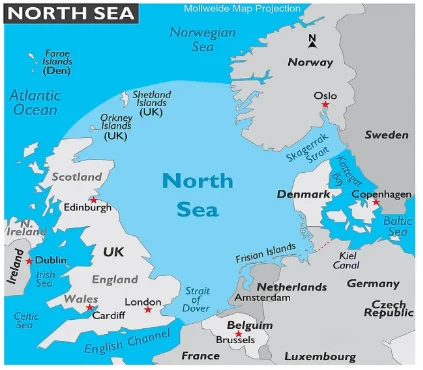
North Sea
|
Context: Energy & windmill issue under global energy politics.
Key Points
- Part of the Atlantic Ocean
- Borders: Great Britain, Norway, Denmark, Germany, Netherlands, France
- Drains major rivers – Forth, Elbe, Humber, Rhine basin
- Strong offshore wind potential
- Rich in North Sea oil + natural gas
- North Sea Continental Shelf = major petroleum site
|
|
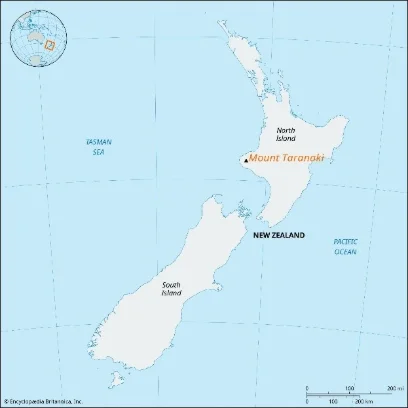
Mount Taranaki (New Zealand)
|
Context: Granted legal personhood.
Key Points
- Stratovolcano on North Island
- Pacific Ring of Fire tectonic setting
- Subduction of Pacific Plate beneath Australian Plate
- Twin peaks — Mt Egmont + Mt Taranaki
- Indigenous Maori significance (cultural rights)
|
|
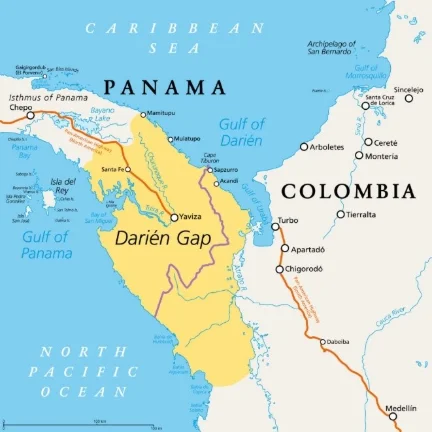
Darien Gap (Colombia–Panama)
|
Context: Major illegal migration route to US
Key Points
- 97 km dense rainforest + swamps
- Located between South America & Central America
- Missing road link in Pan-American Highway
- Tropical rainforest, extremely dangerous
- Human trafficking hotspot
|
|
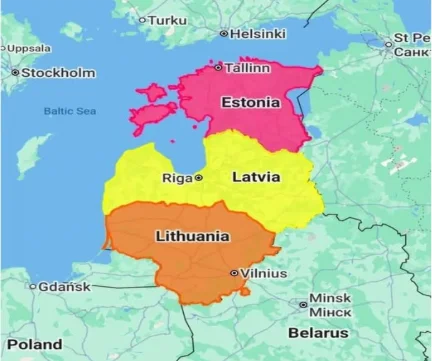
Baltic Nations (Estonia, Latvia, Lithuania)
|
Context: Disconnected electricity grid from Russia.
Key Points
- Eastern coast of Baltic Sea
- Became independent after collapse of USSR (1991)
- Members of NATO, EU, Eurozone, OECD
- Geopolitical frontline against Russia
- Forest biome + cold continental climate
- Key ports for Baltic shipping
|
|
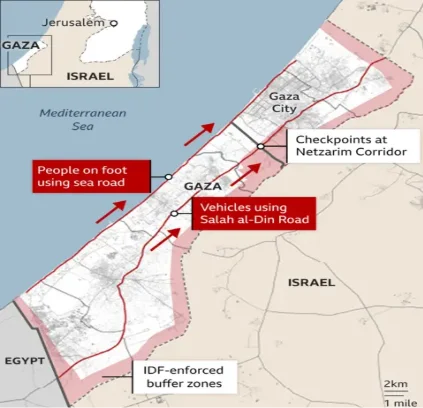
Netzarim Corridor (Gaza Strip)
|
Context: Israel withdrawal during ceasefire
Key Points
- Military corridor created by Israeli forces
- Connects Gaza border to Mediterranean
- Effectively divides Gaza Strip
- Located in an extremely urbanised war zone
- Strategic point between West Bank–Israel–Egypt
|
|
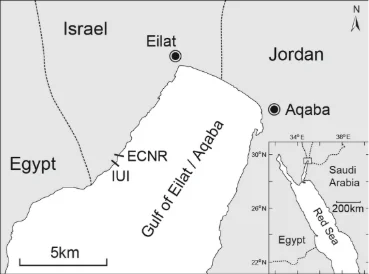
Gulf of Eilat (Gulf of Aqaba)
|
Context: Coral system experienced shutdown due to cooling
Key Points
- North-eastern arm of Red Sea
- Bordered by Egypt, Israel, Jordan, Saudi Arabia
- Deep & narrow gulf
- Important marine biodiversity & coral reefs
- Key access point to the Arabian Peninsula
- Strategic naval interest
|
|
White Island (New Zealand)
.jpg)
|
Context: NZ High Court overturned conviction related to safety after eruption in 2019.
Key Points
- Locally called Whakaari ("dramatic volcano")
- One of New Zealand’s most active cone volcanoes
- Located in Bay of Plenty, North Island (Pacific Ocean)
- Part of Pacific Ring of Fire
- Formed by subduction of Pacific Plate
- Emits sulphur gases and steam vents
|
|
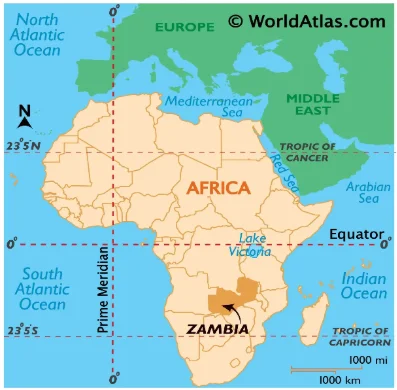
Zambia
|
Context: India secured a 9,000 sq km block to explore copper & cobalt.
Key Points
- Landlocked country in Southern Africa
- Major deposits of copper, cobalt, manganese
- World's second-largest copper producer (after DRC)
- Rivers: Zambezi (Victoria Falls), Kafue, Luangwa
- Climate: Tropical savanna + plateau
- Borders 8 countries (Tanzania, DRC, Angola, Namibia, Botswana, Zimbabwe, Mozambique, Malawi)
|
|
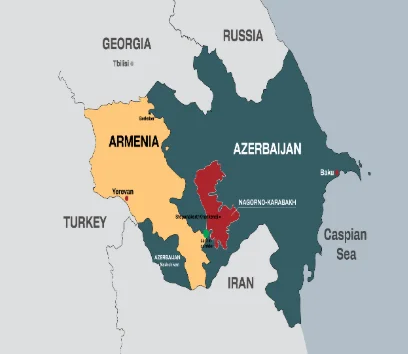
Nagorno–Karabakh
|
Context: Ethnic tension between Azerbaijan and Armenia continued.
Key Points
- Landlocked mountainous region
- Internationally recognized as Azerbaijan territory
- Predominantly ethnic Armenians
- Located in South Caucasus between Black Sea & Caspian Sea
- Conflict since 1980s
- Russian peacekeeping involved
- Azerbaijan gained control in recent conflicts
|
|
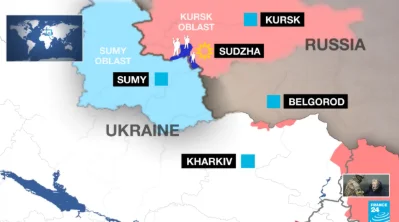
Kursk Region (Western Russia)
|
Context: Russian troops launched a large-scale offensive to retake parts of the western Kursk region from Ukrainian forces.
Key Points
- Western Russia near Ukraine border
- Famous WWII “Battle of Kursk” (largest tank battle)
- Agricultural: wheat & sunflower belt
- Iron-ore deposits
- Continental climate
- Strategically located close to NATO border expansions
|
|
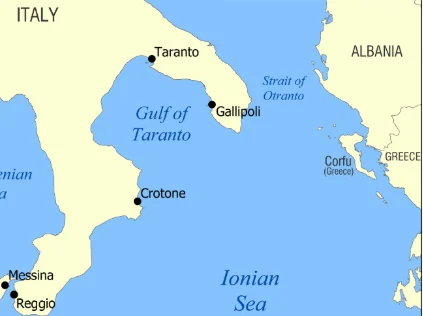
Strait of Otranto (Mediterranean)
|
Context: Key European geopolitical chokepoint.
Key Points
- Connects Adriatic Sea to Ionian Sea
- Between Italy (heel) and Albania
- Key naval route for NATO
- Important migration route from Balkans
- Used historically during Balkan conflicts
|
|
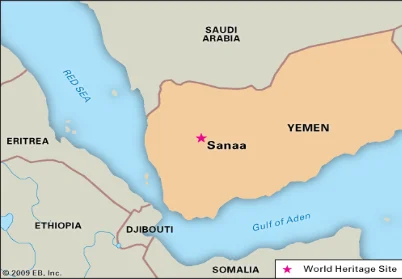
Sanaa – Yemen
|
Context: Airstrikes at Sanaa airport.
Key Points
- Capital & cultural center of Yemen
- Old city is a UNESCO World Heritage Site
- High elevation (2,200 m above sea level)
- Situated in Yemeni Highlands
- Conflict zone between Houthis–coalition
|
|
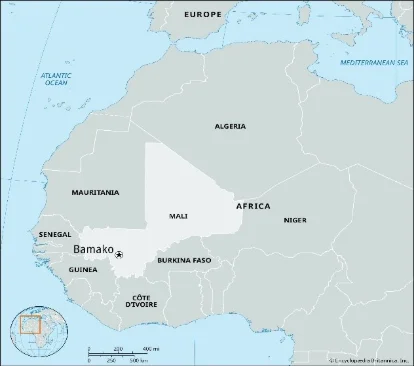
Bamako – Mali
|
Context: Pro-democracy protests.
Key Points
- Capital, located on River Niger
- Encircled by Manding Mountains
- West African savanna region
- Sahel climate → semi-arid + monsoon influence
- Key gold & mineral producing country
|
|
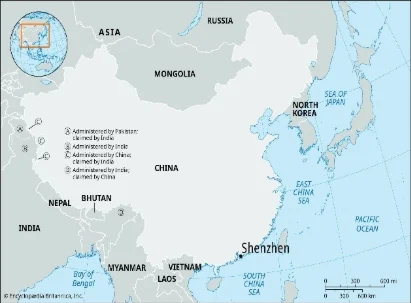
Shenzhen – China
|
Context: Trade restrictions + AI cooperation links.
Key Points
- Located on bank of Pearl River Delta
- Economic Zone (SEZ) created in 1980s
- Called “China’s Silicon Valley”
- Gateway between mainland China & Hong Kong
- Subtropical monsoon climate
|
|
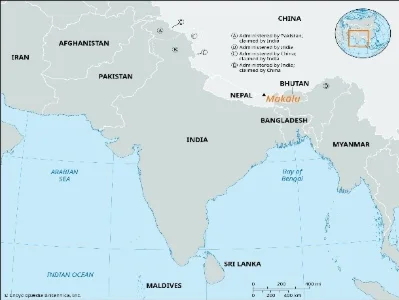
Mt Makalu
|
Context: ITBP successfully scaled Makalu.
Key Points
- 5th highest peak (8,463 m)
- Mahalangur Himal sub-range
- Near Everest & Lhotse
- Formed due to Indian–Eurasian convergence
- Inhabited by Sherpa communities in nearby zones
|
|
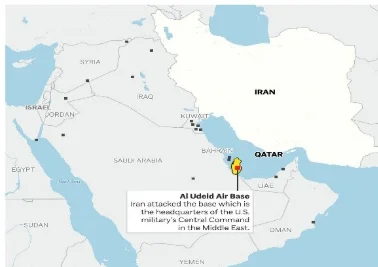
Al Udeid Air Base
|
Context: Iran–Israel conflict response; US assets targeted.
Key Facts
- Largest US base in Middle East
- Forward HQ of US CENTCOM
- Located in gas-rich Qatar
- Near Strait of Hormuz strategic waters
- Hot desert climate, Arabian Peninsula interior
|
|
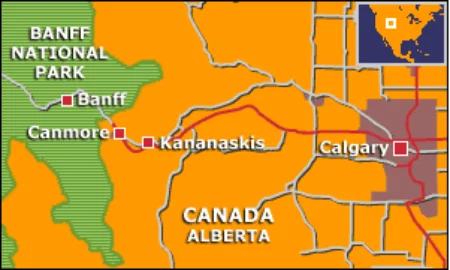
Kananaskis
|
Context: G-7 Summit held here.
Key Facts
- Located in Alberta province
- Canadian Rockies—uplifted limestone glacial landforms
- Peaks carved ~12,000 years ago (Late Ice Age)
- Adjacent to Banff National Park
- High snowfall, alpine vegetation
|
|
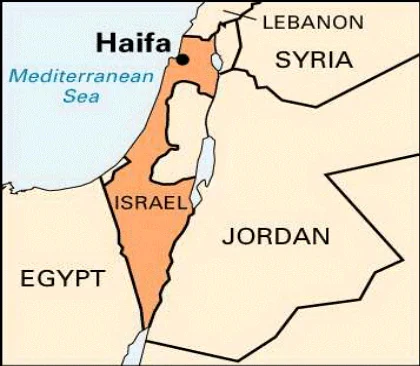
Port of Haifa
|
Context: Indian Adani group acquired 70% stake.
Key Facts
- Part of IMEC (India-Middle East-Europe Economic Corridor).
- Mediterranean port
- Deep natural harbour
- Key hub linking Europe–Asia via Suez
- Northern Israel coast
|
|
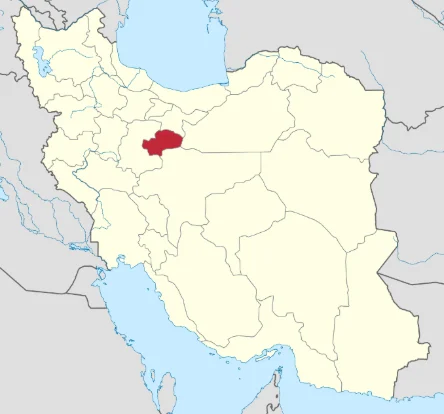
Qom – Iran
|
Context: Iran’s nuclear facility location.
Key Facts
- ~140 km south of Tehran
- On edge of Dasht-e-Kavir Desert
- Fordow built inside mountain for protection
- Shia religious center
|
|
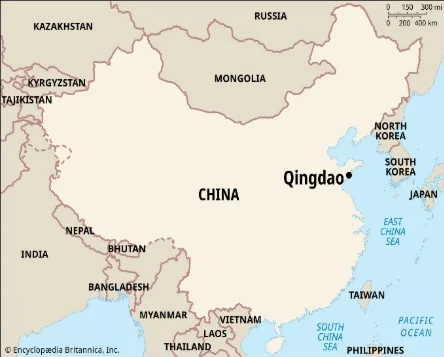
Qingdao
|
Context: Hosted SCO Defence Ministers meeting.
Key Points
- Located on Yellow Sea
- Facing Korea & Japan across sea
- Major navy logistics base
- Nicknamed “Oriental Switzerland”
- German colonial influence historically
|
|
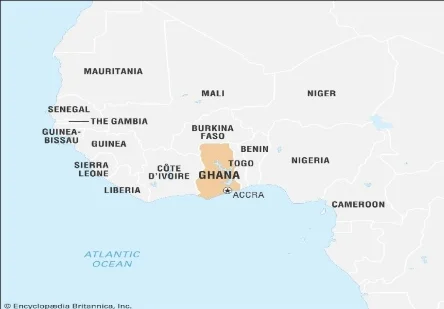
Ghana
|
Context: PM of India visited Ghana.
Key Facts
- Located along Gulf of Guinea (Atlantic Ocean)
- Borders Côte d’Ivoire, Burkina Faso, Togo
- Capital: Accra
- Gold-rich + cocoa-producing nation
- Tropical savanna & rainforest zones
- Part of ECOWAS regional grouping
|
|
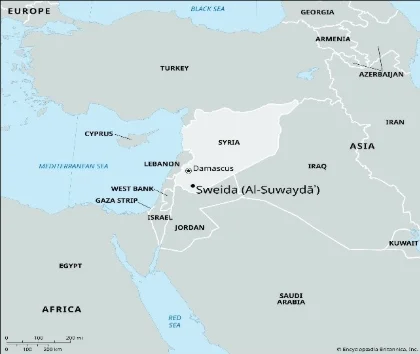
Suwayda (Syria)
|
Context: Ethnic cleansing and Bedouin–Druze tensions.
Key Facts
- Located in southern Syria
- Majority Druze population (≈90%)
- Surrounded by Syrian Desert fringe
- Elevated plateau area
- Conflict zone after Syrian civil war
|
|
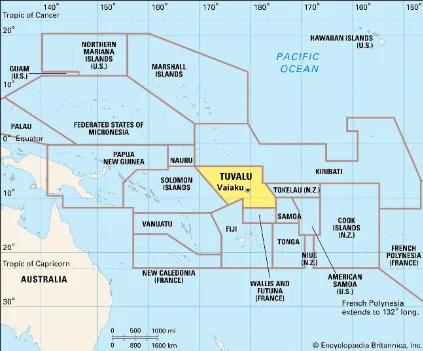
Tuvalu (Pacific Island Nation)
|
Context: World-first “climate visa” programme.
Key Points
- 9 coral islands in South Pacific
- Between Hawaii and Australia
- Vulnerable to sea-level rise.
- Very small population (~11,000)
- Formerly Ellice Islands
- Climate diplomacy leader
|
|
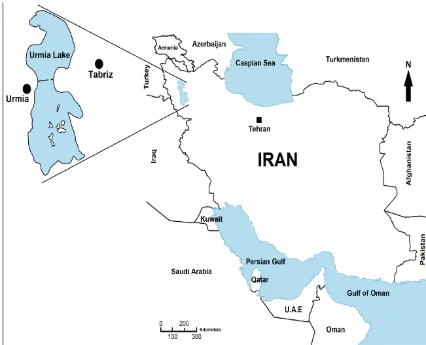
Lake Urmia – Iran
|
Context: Historic drought shrank lake; symbol of Iran environmental crisis.
Key Points
- Endorheic salt lake (no outflow)
- Fed by rivers e.g. Zarrineh, Simineh
- High salinity due to evaporation
- Shrinkage due to climate + dams
- Ramsar type wetland
- Also habitat for flamingos
|
|
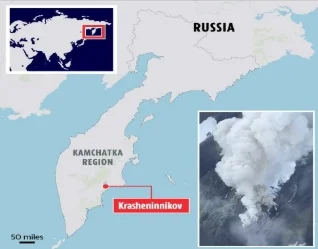
Krasheninnikov Volcano
|
Context: Erupted first time in 500 years.
Key Facts:
- Pacific “Ring of Fire”
- Stratovolcano (two cones in one caldera)
- Subduction zone volcanic activity
- Highly seismic Kamchatka peninsula
- Active tectonic margin
|
|
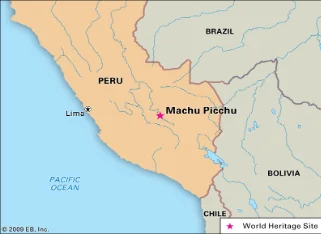
Machu Picchu
|
Context: Peru evacuated 1600 tourists after disaster-related closure.
Key Facts:
- In Andes mountains, Southern Peru
- Inca citadel, UNESCO WHS (1983)
- Elevation ~2400m above Urubamba valley
- Inca civilization peak (15th century)
- One of New 7 Wonders
|
|
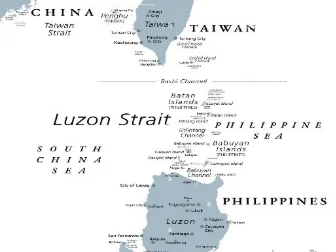
Luzon Strait – Between Taiwan & Philippines
|
Context: Super Typhoon Ragasa & naval relevance.
Key Facts:
- Connects South China Sea ↔ Philippine Sea
- Important submarine cable corridor
- Typhoon hotspot
- Philippines on Pacific “Ring of Fire”
- Contains Batanes & Babuyan islands
|
|
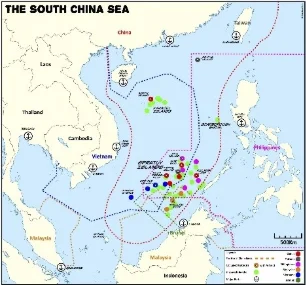
Huangyan / Scarborough Shoal – South China Sea
|
Context: China declared national reserve.
Key Facts:
- Triangular coral shoal, mostly submerged
- Dispute between China–Philippines
- Part of “Nine-Dash Line” claim
- Critical in maritime security
|
|
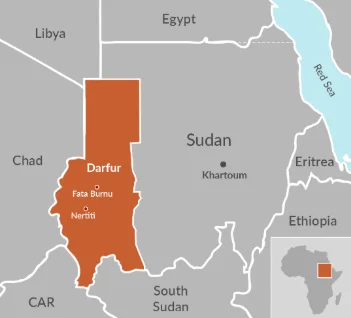
Darfur Region
|
Context: Massive landslide + ongoing conflict.
Key Facts:
- Western Sudan; Marra mountains
- Semi-arid → seasonal savannah climate
- Site of conflict since 2003 (JEM, SLA groups)
- Humanitarian crisis, displacement.
|
|
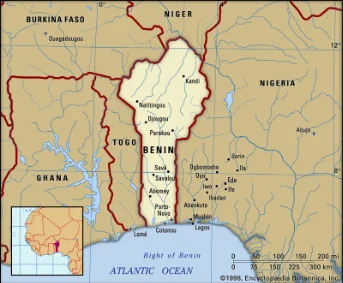
Benin
|
Context: Diplomatic & cultural engagements
Key Facts:
- West Africa, Gulf of Guinea coast
- Borders Nigeria, Togo, Burkina Faso, Niger
- Formerly Dahomey
- Member of ECOWAS
- Economy linked to Port of Cotonou
|
|
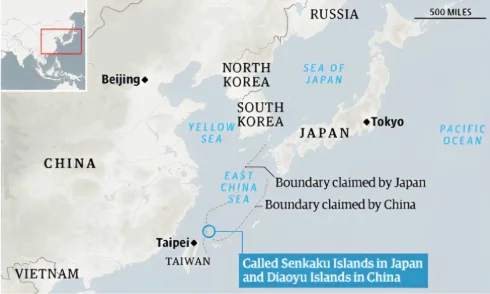
Senkaku Islands
|
Context: Territorial dispute
Key Facts:
- Uninhabited islands in East China Sea
- Administered by Japan
- Claimed by China (Diaoyu) & Taiwan
- Strategic for EEZ, hydrocarbons, fisheries
- US–Japan Security Treaty applies
|
|
Madagascar
|
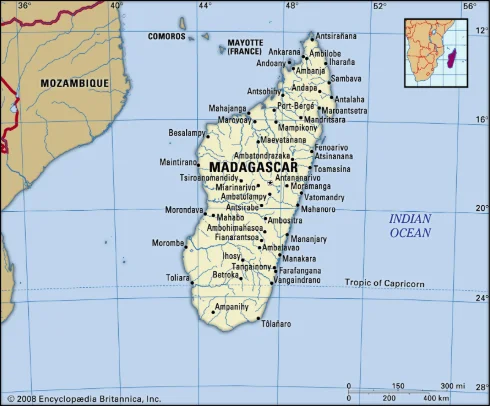
Context: For climate vulnerability, biodiversity conservation and humanitarian concerns
Key Facts:
- Indian Ocean island
- Separated by Mozambique Channel
- Global biodiversity hotspot
- High endemism (lemurs)
|
|
Sharm el-Sheikh
|
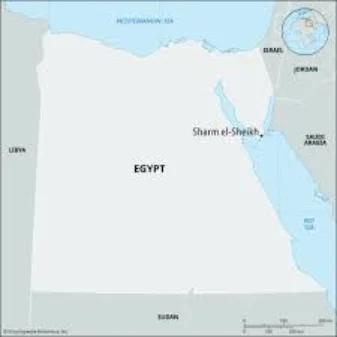
Context: Global climate diplomacy post COP27
Key Facts:
- Egypt, Sinai Peninsula
- On Red Sea coast
- Hosted COP27 (2022)
- Near Strait of Tiran
|
|
Port of Pasni
|
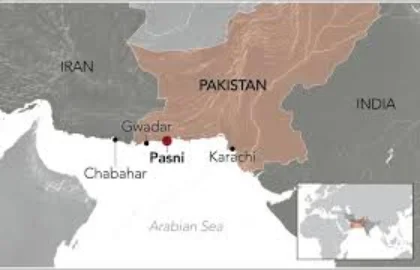
Context: In news due to strategic and maritime discussions linked to CPEC and Arabian Sea security COP27
Key Facts:
- Makran Coast, Arabian Sea
- Balochistan (Pakistan)
- Near Gwadar Port
- Important for CPEC maritime logistics
|
|
Bagram Air Base
|
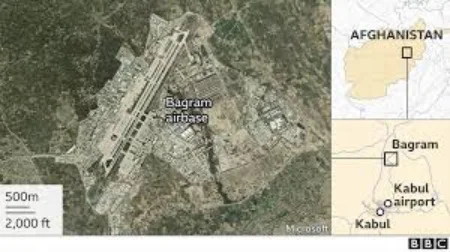
Context: Afghanistan’s security situation and geopolitical narratives post US withdrawal
Key Facts:
- Parwan Province, near Kabul
- Former largest US/NATO base
- Symbol of US withdrawal
|
|
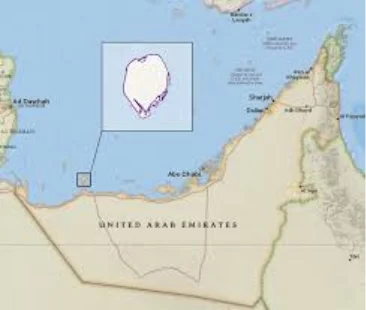
Sir Bani Yas Island
|
Context: Diplomatic engagements and conservation initiatives
Key Facts:
- Abu Dhabi Emirate
- Arabian Wildlife Park
- Protected area
- Eco-tourism model
|
|
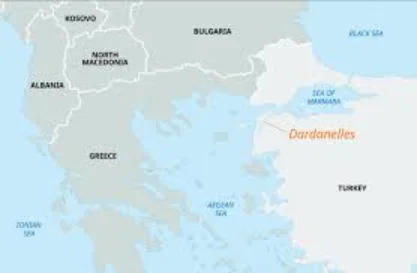
Dardanelles Strait
|
Context: Black Sea geopolitics
Key Facts:
- Connects Aegean Sea–Sea of Marmara
- Part of Turkish Straits
- Governed by Montreux Convention (1936)
- Controls access to Black Sea
|
|
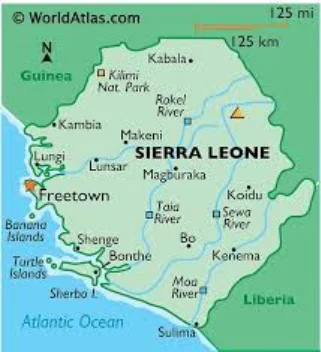
Gola-Tiwai Complex
|
Context: UNESCO recognition
Key Facts:
- First UNESCO WHS of Sierra Leone
- Tropical rainforest
- Part of Upper Guinean Forest
- Chimpanzees & endemic species
|
|
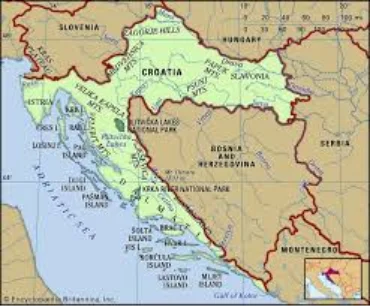
Croatia
|
Context: PM’s diplomatic visit
Key Facts:
- Central–Eastern Europe
- Capital: Zagreb
- Adriatic Sea coast
- Member: EU, NATO
|

.jpg)



