


Rapid Fire
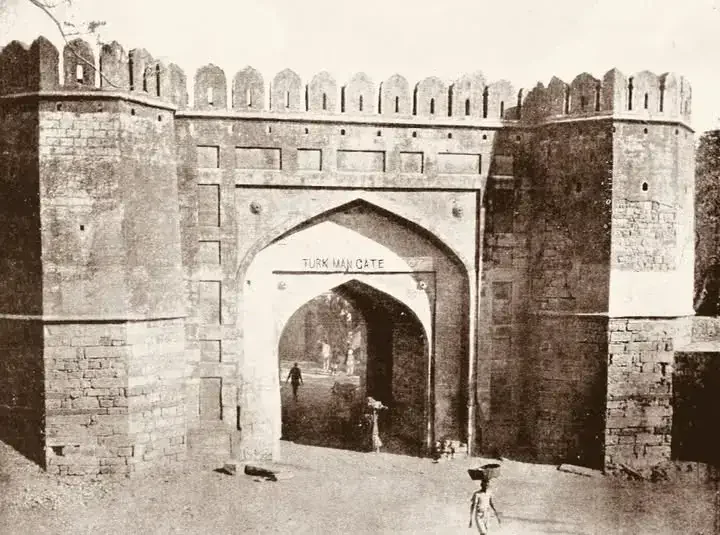
Turkman Gate
- 09 Jan 2026
- 2 min read
Turkman Gate is in the news following a recent demolition drive that turned violent, recalling the Emergency (1975–77) when the area witnessed forced demolitions and coercive sterilisation drives, later examined by the Shah Commission.
- About: Turkman Gate was one of the 14 gates of Shahjahanabad, the walled city founded by Mughal emperor Shah Jahan in the mid-17th century (around 1650 AD).
- It was named after the Sufi saint Hazrat Shah Turkman Bayabani, whose mausoleum lies in the vicinity, giving the area enduring cultural and religious significance.
- History: The significance of Turkman Gate predates Mughal Delhi. The area formed part of an important pre-existing urban and spiritual landscape, reflecting Delhi’s role as a major centre of Sufism.
-
The saint Shah Turkman Bayabani is traditionally associated with early ascetic Sufi traditions in Delhi, and the proximity of Razia Sultan’s grave to his shrine indicates the reverence attached to the site over centuries.
-
-
Location: The gate stood along a key arterial route linking Fatehpuri Masjid – Hauz Qazi – the old Yamuna belt, a thoroughfare that was incorporated into Shahjahanabad’s urban design. Today, it is located in Old Delhi, near Jama Masjid.
-
Significance: Like other gates of the walled city, Turkman Gate served both defensive and commercial functions, protecting the city from external threats while regulating the movement of people and goods.
-
It survived major historical disruptions, including the Revolt of 1857, colonial-era demolition of city walls, Partition, and subsequent commercial restructuring.
-
| Read more: Indo-Islamic Architecture |



