


Rapid Fire
Tamil Brahmi Inscriptions Discovered in Egypt
- 12 Feb 2026
- 3 min read
Recent findings of nearly 30 inscriptions in Tamil Brahmi, Prakrit and Sanskrit at tombs in the Valley of the Kings in Egypt highlight trade links between ancient Tamilagam, other parts of India and the Roman Empire.
- Location: The inscriptions were found in the Valley of the Kings on the west bank of the River Nile within the Theban Necropolis in Egypt, and were left by individuals from the north-western, western and southern regions of the Indian subcontinent, with those from the latter forming the majority.
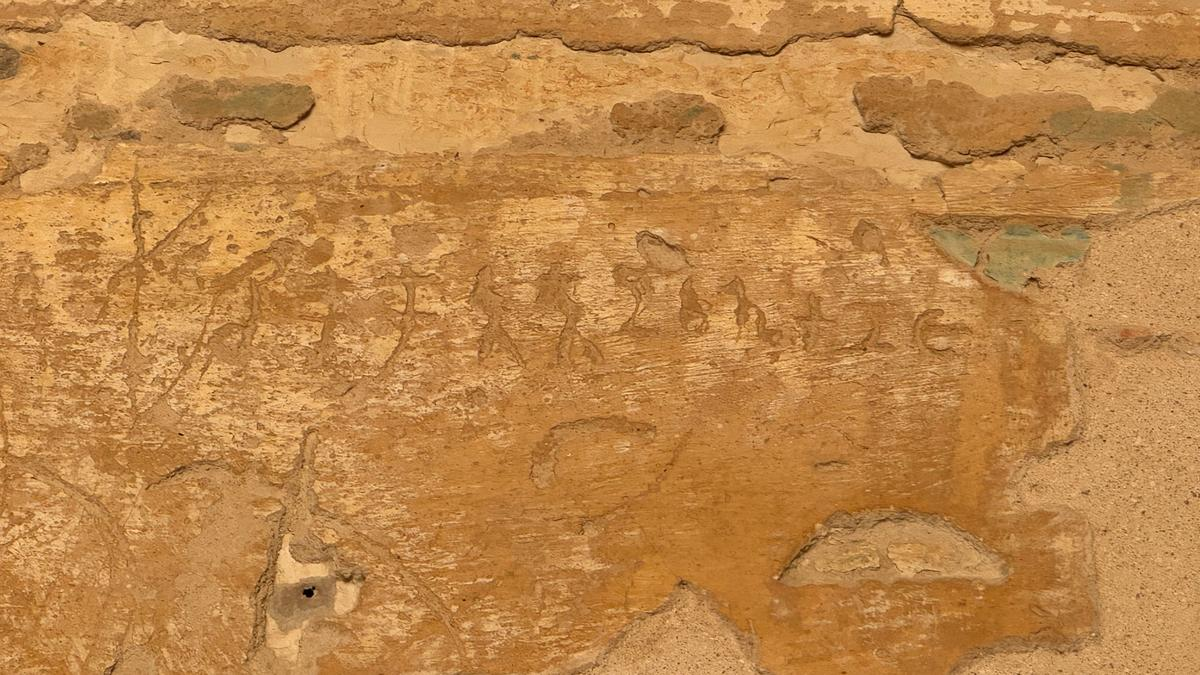
- Nature of Inscriptions: Visitors carved brief graffiti, mainly personal names, on walls and corridors of tombs. These appear alongside a larger body of Greek graffiti, indicating that Indian visitors followed an existing local practice of marking their presence.
- Key Findings: The Tamil Brahmi name “Cikai Koṟraṉ” appears eight times across five tombs, sometimes inscribed high on interior walls. The element “Cikai” may be linked to the Sanskrit śikhā (tuft or crown), while “Koṟṟaṉ” derives from the Tamil root koṟṟam (victory, slaying), associated with the Chera warrior goddess Koṟṟavai and the term koṟṟavaṉ (king). Other inscriptions include “Kopāṉ varata kantan” (Kopāṉ came and saw), as well as names like Cātaṉ and Kiraṉ.
- Link with Berenike and Sangam Literature: The element koṟṟaṉ also appears in Koṟṟapumāṉ found at Berenike, a Red Sea port city known for Indo-Roman trade. The name occurs in the Sangam corpus and in inscriptions from Pugalur, the ancient Chera capital, dated to the 2nd–3rd centuries CE.
| Read more: Sangam Age |



