


Rapid Fire
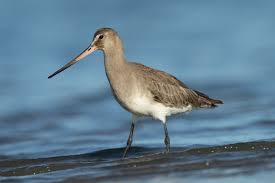
Hudsonian Godwit
- 26 Mar 2026
- 4 min read
The Hudsonian godwit is one of 42 species proposed for international protection at the UN Convention on the Conservation of Migratory Species of Wild Animals (CMS COP15) held in Campo Grande, Brazil.
- The 95% population decline of the Hudsonian godwit has spotlighted the urgent need for global conservation efforts.
Hudsonian godwit
- About: The Hudsonian godwit (Limosa haemastica) is a migratory shorebird capable of flying 11,000 km non-stop during its 30,000 km annual migration from its breeding grounds in the Arctic to its southern summer habitat in Patagonia (South America).
- Conservation Crisis: The Hudsonian godwit is classified as Vulnerable on the IUCN Red List. Its survival is heavily dependent on a highly predictable "geological clock" and abundant food resources at stopover sites, both of which are currently crumbling.
- Primary Threats:
- Climate Change (Arctic): Shifting spring timelines have created an ecological mismatch between when godwit chicks hatch and the peak availability of the insects they eat.
- Habitat Alteration (South America): A boom in salmon and oyster farming in southern Chile has led to heavy infrastructure development in crucial intertidal feeding zones.
- Wetland Loss (North America): Changes in US agricultural practices have made the shallow water wetlands the birds rely on for resting and refueling increasingly rare.
Convention on the CMS
- The Convention on the Conservation of Migratory Species of Wild Animals (CMS), also known as the Bonn Convention, is a legally binding international treaty under UNEP that provides a global framework for the protection of migratory species and their habitats across national boundaries.
- Under CMS range states (countries the birds pass through) are legally obliged to protect species listed as at risk of extinction, conserve and restore their habitats, and prevent obstacles to their migration.
- Adopted in 1979 in Bonn, Germany, and enforced in 1983, it addresses the unique challenge of species that cyclically cross borders for breeding, feeding, and migration, requiring coordinated international action.
- CMS operates through two appendices:
- Appendix I includes endangered migratory species requiring strict protection, such as bans on hunting and habitat restoration, with 188 species listed, including India’s Great Indian Bustard, Siberian Crane, Olive Ridley Turtle, and Leatherback Turtle.
- Appendix II focuses on species with unfavourable conservation status, promoting international cooperation through agreements and MoUs.
- The Conference of the Parties (COP) serves as the decision-making body, reviewing implementation and updating conservation measures.
| Read more: State of the World's Migratory Species |



