


Rapid Fire
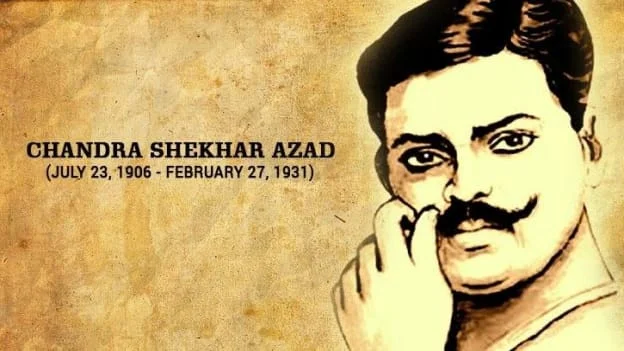
Chandra Shekhar Azad
- 28 Feb 2026
- 2 min read
India paid tributes to freedom fighter Chandra Shekhar Azad on his 95th martyrdom day on 27th February 2026.
- Early Life & the Title 'Azad': Born as Chandra Shekhar Tiwari in 1906 in Alirajpur (present-day Madhya Pradesh), he left home early and actively joined Mahatma Gandhi's Non-Cooperation Movement (1921).
- When arrested and presented before a magistrate, he famously declared his name as 'Azad' (Free), his father as 'Swatantra' (Independence), and his address as a jail cell.
- Ideological Shift: The abrupt withdrawal of the Non-Cooperation Movement in 1922 pushed him away from Gandhian non-violence and towards militant, revolutionary nationalism.
- Hindustan Republican Army (HRA): He joined the HRA, an organization led by prominent revolutionaries Ram Prasad Bismil and Sachindranath Sanyal.
- The Kakori Conspiracy (1925): Azad played a crucial role in raising funds for the armed struggle through political dacoities, most notably the Kakori train robbery (1925).
- Founding the HSRA (1928): Along with Bhagat Singh, he reorganized the revolutionary youth to establish the Hindustan Socialist Republican Association (HSRA) in 1928.
- Under Bhagat Singh's influence, the organization adopted an explicit socialist ideology, while Azad served as its core military leader and strategist.
- Assassination of John Saunders (1928): Azad masterminded and participated in the killing of British police officer John Saunders in Lahore to avenge the death of Lala Lajpat Rai.
- Following the assassination, the HSRA released pamphlets signed under Azad's pseudonym, 'Balraj'.
- The Final Stand (1931): Operating underground after the 1929 Central Assembly Bombing, Azad was eventually cornered by a police battalion on 27th February 1931, at Alfred Park in Allahabad.
- He fought bravely to help his comrade Sukhdev Raj escape and, true to his vow of never being captured alive, shot himself with his last bullet.
| Read more: Chandra Shekhar Azad |



