


National Current Affairs
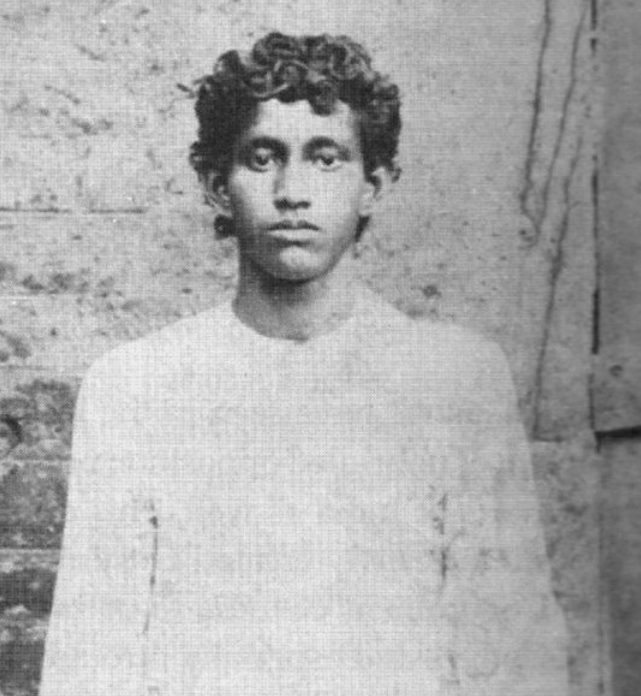
Birth Anniversary of Khudiram Bose
- 04 Dec 2025
- 3 min read
Why in News?
Union Home Minister Amit Shah paid homage to freedom fighter Khudiram Bose on his birth anniversary, calling him a symbol of valour, courage and sacrifice.
Key Points
- Birth & Early Life: Khudiram Bose was born on 3rd December 1889 in Habibpur village, Midnapore district, West Bengal, as the only son in his family, and faced hardships early due to the loss of his parents.
- Early Influence: Motivated by the public speeches of Aurobindo Ghose and Sister Nivedita, he joined the freedom struggle in the early 1900s.
- Role in Partition Movement: During the Partition of Bengal in 1905, he became an active volunteer and, at just 15, was first arrested for distributing anti-British pamphlets.
- Joining Anushilan Samiti: In 1908, Khudiram joined the revolutionary group Anushilan Samiti, led by Aurobindo and Barindra Ghose, where he learned bomb-making and targeted British officials.
- Targeting Kingsford: The revolutionaries marked Douglas H. Kingsford, Chief Presidency Magistrate of Calcutta, known for his brutal treatment of nationalists, as a primary target and sent Khudiram and Prafulla Chaki to assassinate him.
- Bomb Attack Attempt: On 30th April 1908, Khudiram threw a bomb at Kingsford’s carriage outside the club, but it tragically killed Mrs. and Miss Kennedy, the wife and daughter of a barrister, while Kingsford escaped.
- Capture & Aftermath: As police launched a manhunt, Prafulla Chaki died by suicide before arrest, while Khudiram was caught at Waini station after walking 25 km; his capture drew large crowds expressing admiration.
- Execution & Martyrdom: Following trial, Khudiram Bose was executed on 11th August 1908 at age 18, becoming one of India’s youngest martyrs.
- Public Reverence: Newspapers highlighted his bravery, crowds showered flowers during his final procession, and poet Pitambar Das immortalised him in the famous Bengali song “Ek Baar Bidaye De Ma”, preserving his legacy in Bengal’s folklore.



