


Biodiversity & Environment
Rethinking India’s Plastic Waste Management
- 07 Apr 2026
- 30 min read
This editorial is based on “Elastic rules: On the Plastic Waste Management (Amendment) Rules, 2026” which was published in The Hindu on 06/04/2026.This editorial provides a multidimensional analysis of India’s updated plastic governance, examining the 2026 shift toward market-linked recycled content mandates. It critically evaluates the success of institutional digitalization against the persistent challenges of infrastructure gaps, microplastic toxicity, and regulatory dilution.
For Prelims: Extended Producer Responsibility, CPCB, Swachh Bharat Mission-U 2.0,
For Mains: How India is tackling plastic waste menace, key challenges and measures needed.
India’s plastic governance framework, anchored in the Plastic Waste Management Rules, 2016, mandates Extended Producer Responsibility (EPR) with targets scaling from 35% (2021–22) to 100% by 2024–25, yet actual compliance lingers at ~50–60%, exposing an implementation deficit. The 2026 amendments shift focus toward minimum recycled content (30% rising to 60% by 2028–29), signalling a move from collection-centric to market-driven compliance. However, provisions like carry-forward of unmet targets risk diluting accountability and creating “elastic” enforcement. With India generating ~ 9 million tonnes of plastic waste annually, the challenge remains not policy design but credible monitoring, enforcement, and circular economy integration.
What is India's Plastic Waste Management Framework?
- About: India's Plastic Waste Management Framework is primarily anchored by the Plastic Waste Management Rules, 2016, which have been continuously tightened and evolved through major amendments in 2018, 2021, 2022, 2024, and most recently in 2026.
- The Core Engine: Extended Producer Responsibility (EPR) is the backbone of India's plastic waste strategy. It shifts the burden of waste management from local municipalities to the companies creating the waste, operating heavily on the "Polluter Pays" principle.
- Who is responsible? The rules apply to PIBOs (Producers, Importers, and Brand Owners) and PWPs (Plastic Waste Processors, such as recyclers and waste-to-energy plants)
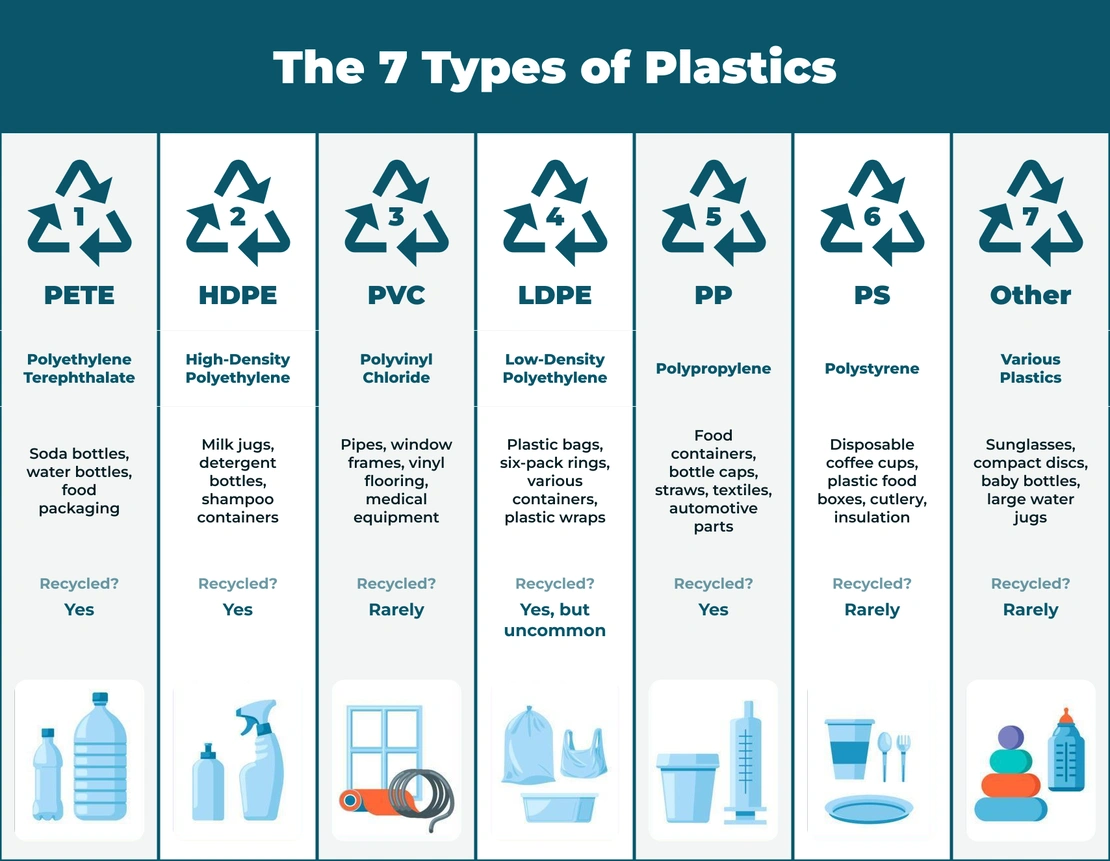
What are the Key Provisions of Plastic Waste Management Rules 2026?
- Mandatory Recycled Content:
- Category I (Rigid Plastic): Mandatory 30% recycled content for 2025–26, escalating to 60% by 2028–29.
- Category II (Flexible Plastic): Starts at 10%, rising to 20% by 2028–29.
- Category III (Multi-layered Plastic): Targets set at 5%, increasing to 10%.
- Carry-Forward of Compliance Targets: Companies that fail to meet targets in 2025–26 can carry forward the shortfall for up to three years (till 2028–29), provided at least one-third of the deficit is met annually.
- Tradable Certificate System: The rules institutionalise a system where companies can fulfil recycling obligations by purchasing tradable credits from firms that exceed their targets.
- While this provides flexibility and reduces costs, it enables companies to bypass recycling their own plastic. Notably, the Central Pollution Control Board reported over 6 lakh fake certificates in 2023.
- Exemptions: The rules also provide exemptions where other regulations restrict the use of recycled plastic. For instance, norms by the Food Safety and Standards Authority of India may exclude large segments of the food and beverage packaging sector.
- Implementation Mechanism: Compliance is tracked through a centralised EPR portal under the supervision of the Central Pollution Control Board, ensuring monitoring, reporting, and enforcement.
Note: In July 2022, India implemented a nationwide ban on the manufacture, import, stocking, distribution, sale, and use of identified single-use plastic items that have low utility but high littering potential.
How Effectively is India Addressing the Growing Challenge of Plastic Waste Management?
- Institutional Strengthening of the EPR Framework: The transition to a digitized Extended Producer Responsibility (EPR) regime has revolutionized corporate accountability by replacing opaque self-reporting with a verifiable, market-linked credit system.
- This institutional shift forces brand owners to internalize environmental costs, creating a formal economic incentive for plastic waste traceability and lifecycle management.
- India’s EPR framework is witnessing rapid formalization, with over 60,000 PIBOs registered on the centralized portal, reflecting improved traceability and expanding regulatory coverage across the plastic value chain.
- Also, 20.7 million tonnes of plastic packaging waste recycled since EPR guidelines came into force in 2022.
- Technological Integration in Bituminous Road Construction: India has pioneered the "Plastic Roads" initiative, utilizing non-recyclable plastic waste to enhance the durability of transport infrastructure while solving the problem of low-grade litter.
- This engineering synergy creates a massive sink for single-use plastics that otherwise possess zero market value, significantly reducing the carbon footprint of highway construction.
- Under Pradhan Mantri Gram Sadak Yojana, the Ministry’s Vision Document on New Technology Initiatives Guidelines–2022 promotes green construction practices.
- It mandates that States/UTs use waste plastic in at least 70% of eligible road length (hot mix), following standards set by the Indian Roads Congress.
- Research validates that adding plastic waste to bitumen increases road longevity.
- Scaling of Waste-to-Energy and Industrial Co-processing: The integration of plastic waste as Alternative Fuel and Raw Material (AFR) in cement kilns addresses the disposal of high-calorific, non-recyclable multilayered plastics.
- By replacing fossil fuels with pre-segregated plastic waste, heavy industries are simultaneously achieving decarbonization goals and high-temperature thermal destruction of hazardous polymers.
- The Indian cement industry now achieves a Thermal Substitution Rate (TSR) of 6-9% through plastic co-processing.
- For instance, UltraTech Cement alone utilized over 2.1 million tonnes of alternative fuels in FY25, which includes a significant portion of municipal and industrial plastic waste.
- It has made substantial strides in addressing plastic waste management, achieving a 5.1 times Plastic Negative status in FY25.
- Regulatory Precision via the PWM (Amendment) Rules, 2026: The latest Plastic Waste Management (Amendment) Rules, 2026 prioritize circularity by mandating minimum recycled content in new packaging, shifting the focus from mere collection to high-value resource recovery.
- This policy forces the design of "circular-ready" products, ensuring that plastic remains a raw material within the industrial loop rather than an environmental pollutant.
- New mandates require 30% recycled content in Category-I rigid packaging, scaling to 60% by 2028-29.
- Formalization and Inclusion of the Informal Waste Sector: Recent urban governance models are integrating "waste-pickers" into the formal value chain through Jan Dhan-linked identification and Material Recovery Facilities (MRFs).
- This social dimension transforms the informal economy into a frontline environmental service, ensuring that even low-value plastics are captured through a dignity-based labor model.
- For instance, cities like Indore and Ambikapur have formalized waste workers, providing them with E-Shram cards and healthcare.
- Innovation in Bio-Based and Compostable Alternatives: India is witnessing a surge in R&D for indigenous, bio-based polymers derived from agricultural residues like bagasse and seaweed, providing a sustainable exit from petroleum-based single-use plastics.
- These innovations leverage India’s massive biomass surplus to create biodegradable packaging that aligns with the "Make in India" and "Lifestyle for Environment" (LiFE) missions.
- The Indian bioplastics market is expected to grow at a CAGR of 20–25% over the next decade, aiming to replace a significant percentage of conventional packaging by 2030.
- These innovations leverage India’s massive biomass surplus to create biodegradable packaging that aligns with the "Make in India" and "Lifestyle for Environment" (LiFE) missions.
- Marine and Riparian Plastic Interception Systems: Advanced riverine trash booms and automated "Ocean Clean" technologies are being deployed across major river basins like the Ganga and Yamuna to intercept plastic before it reaches the marine ecosystem.
- This targeted intervention recognizes that 80% of marine plastic originates from land-based waterways, necessitating specialized hydro-engineering solutions.
- To strengthen integrated river basin management, a dedicated RBM cell has been set up, along with a Thematic Expert Group to tackle plastic pollution in the Ganga River.
- CPCB now carries out monitoring at 112 locations to track these improvements, with biological water quality now ranging from "Good" to "Moderate" across most stretches.
- Behavioral Transformation via ‘Swachhata Hi Seva’ Campaigns: Mass mobilization and nudging strategies under the Swachh Bharat Mission (SBM-U 2.0) have shifted the paradigm from government-led cleaning to community-led "Zero-Waste" lifestyles.
- By leveraging the "Circular Economy" narrative at the household level, India is successfully reducing the inflow of mixed waste into the municipal stream.
- The ‘Jan Andolan’ reports participation from millions of citizens in plastic-free drives across Urban Local Bodies.
What are the Key Issues Associated with India’s Plastic Waste Management System?
- Regulatory Dilution & EPR Compliance Loopholes: The continuous dilution of the Extended Producer Responsibility (EPR) regime creates regulatory escape routes that disincentivize strict corporate compliance and collection efforts.
- By shifting focus from absolute collection mandates to elastic reuse targets, the policy inadvertently sanctions prolonged plastic accumulation.
- The 2026 Plastic Waste Management Amendments legally permit companies a three-year carry-forward window for unfulfilled recycling quotas(provided they make up at least a third of the deficit annually).
- This weakens accountability, allowing companies to delay compliance and leading to a sustained rise in uncollected plastic waste in the environment.
- Marginalization of the Informal Waste Sector: The rapid, top-down formalization and digitization of waste management systems marginalize the unorganized waste-pickers who historically anchor India's circular economy.
- Without structured integration into automated Material Recovery Facilities (MRFs), this vulnerable workforce faces severe livelihood disruption and hazardous occupational displacement.
- Despite forming the backbone of India’s recycling ecosystem, 1.5–4 million informal waste pickers remain largely invisible, with only ~1.52 lakh formally identified, reflecting severe gaps in enumeration and recognition.
- The Multi-Layered Plastics (MLP) Bottleneck: The ubiquitous consumption of Multi-Layered Plastics (MLPs) presents a critical technological bottleneck because their complex polymer-metal composition renders them economically unviable to recycle.
- Packaging is the primary driver of plastic waste in India, accounting for nearly 59% of total plastic consumption.
- This includes multilayered plastics (MLPs), which are difficult to recycle and contribute significantly to environmental pollution.
- The demand is expected to rise further with the expansion of sectors such as pharmaceuticals, retail, and FMCG.
- Packaging is the primary driver of plastic waste in India, accounting for nearly 59% of total plastic consumption.
- Asymmetrical Processing Infrastructure: India suffers from an acute geographical deficit in high-capacity plastic processing infrastructure, leading to massive logistical inefficiencies in reverse supply chains.
- The over-concentration of recycling hubs in highly industrialized zones creates prohibitive transportation costs for plastic waste generated in remote or ecologically sensitive regions.
- According to ORF, Formal recycling in India is concentrated in states like Gujarat and Maharashtra, which have strong infrastructure and handle plastic waste from across the country.
- However, high transportation costs, poor connectivity in regions like Northeast India, and lack of properly segregated waste lead to underutilisation of recycling capacity (only 50–60%).
- Plastic pollution in India’s Himalayan region is rapidly worsening, with over 80% of waste coming from single-use food and beverage packaging.
- Around 70% of this plastic is non-recyclable and has no market value, while only 18.5%, mainly Polyethylene terephthalate, is recyclable.
- Microplastic Contamination of Critical Ecosystems: The pervasive degradation of macro-plastics into invisible microplastics poses an unquantified toxicological threat to Indian soil fertility, aquatic biodiversity, and human food security.
- Existing wastewater treatment infrastructure completely lacks the advanced membrane technologies required to intercept these synthetic polymers before they penetrate critical riparian and agricultural systems.
- For instance, a recent study indicated that microplastic levels in the upper Himalayan stretch of the Ganga River vary widely, ranging from about 100 to 1550 particles per litre in water, and 50 to 1300 particles per kilogram in sediments.
- Corporate Greenwashing and Bio-Plastic Confusion: The corporate trend of "greenwashing" through vague biodegradability claims subverts sustainable consumer choices and actively complicates end-of-life plastic management.
- Many marketed "compostable" plastics require highly specific industrial heating conditions to degrade, meaning they act as conventional, indestructible pollutants when discarded in natural environments.
- Several Indian FMCG brands such as Hindustan Unilever Limited have faced accusations of misleading “eco-friendly” and sustainability claims in products like detergents and personal care, highlighting corporate greenwashing practices.
- Over-Reliance on Thermal Destruction: The heavy policy reliance on thermal destruction methods, such as co-processing in cement kilns and waste-to-energy plants, fundamentally defeats the material-recovery goals of a circular economy.
- While this approach quickly diverts waste from overflowing landfills, it irreversibly destroys the material value of polymers and threatens hazardous atmospheric emissions when combustion protocols fail.
- Reports by the Central Pollution Control Board highlight that waste-to-energy plants in Delhi, such as Bawana, often breach emission norms, with levels of dioxins, furans, and Cd+Th exceeding prescribed standards.
- Chronic Failure in Source Segregation: The systemic failure of strict waste segregation at the household level structurally contaminates the municipal solid waste stream, rendering downstream manual sorting heavily labor-intensive and inefficient.
- Administrative apathy towards enforcing strict financial penalties for unsegregated waste disposal normalizes civic non-compliance and undermines the entire urban sanitation framework.
- As per the Solid Waste Management Rules, 2026, waste must be segregated into wet, dry, sanitary, and special categories, however, lack of public awareness hinders effective implementation.
What Measures are Required to Effectively Tackle Plastic Waste Pollution in India?
- Circular Product Design and Upstream Intervention: Mandating eco-centric industrial design protocols ensures that circularity is engineered directly into the polymer matrix at the manufacturing stage.
- By standardizing polymer types and eliminating hazardous chemical additives, the technological complexities of downstream sorting and processing are drastically minimized.
- This preemptive approach shifts the regulatory burden from post-consumer waste management to proactive material substitution and strict life-cycle accountability.
- Ultimately, designing for maximum recyclability guarantees that plastics retain high economic utility across multiple iterations of the industrial loop.
- Decentralized Material Recovery Infrastructure: Decentralizing waste processing infrastructure across peri-urban and rural landscapes directly addresses the acute geographical disparities in national recycling capabilities.
- Establishing micro-recovery facilities integrated with local administrative bodies prevents the systemic logistical bottleneck of long-haul waste transportation.
- This localized intervention ensures that low-value plastics are captured and baled immediately before irreversible ecological degradation or open incineration occurs.
- Building these localized supply chains fundamentally bridges the critical gap between massive informal generation and formalized secondary raw material markets.
- Fiscal Nudging and Tiered Taxation Frameworks: Implementing a robust, tiered taxation framework categorizes plastics based strictly on their environmental footprint and inherent recyclability metrics.
- Imposing steep progressive levies on complex, multi-layered virgin plastics systematically disincentivizes their continuous corporate production and casual consumer usage.
- Conversely, granting aggressive tax subsidies for indigenous bio-polymers and high-grade recycled resins catalyzes their market competitiveness against cheap petrochemical alternatives.
- This fiscal calibration artificially elevates the market value of sustainability, rendering ecological non-compliance economically unviable for major brand owners.
- Formalization of the Informal Waste Economy: Structurally absorbing informal waste-pickers into the formalized urban sanitation hierarchy secures the foundational bedrock of the nation's recycling supply chain.
- Providing occupational legitimacy, baseline health security, and standardized minimum wages transforms highly marginalized labor into recognized frontline environmental stewards.
- Integrating these traditional socio-economic networks into modern, digitized resource recovery frameworks prevents the systemic loss of grassroots segregation efficiency.
- This inclusive transition ensures equitable economic distribution while safeguarding the indispensable human capital that drives the circular economy engine.
- Hyper-Local Behavioral Nudging via Civic Gamification: Deploying decentralized, incentive-driven waste segregation modules at the household level fundamentally rewrites entrenched civic behavioral norms regarding sanitation.
- Implementing hyper-local gamification strategies, such as direct utility bill rebates for flawless source segregation, creates tangible micro-economic rewards for civic compliance.
- This psychological shift moves the public perception of waste management from a passive municipal obligation to an active, profitable community enterprise.
- Sustained behavioral conditioning at the micro-level ultimately eliminates organic contamination, preserving the pristine material integrity of recyclable polymers.
- Digitized Tracking and Traceability Ecosystems: Constructing an immutable, blockchain-enabled traceability grid enforces absolute transparency across the entire operational lifecycle of manufactured plastic commodities.
- This digitized governance architecture actively eliminates the systemic greenwashing and fraudulent environmental reporting that historically plagues producer responsibility quotas.
- Real-time geospatial tracking of secondary raw materials ensures strict regulatory oversight from the exact point of generation to final industrial co-processing.
- Deploying this algorithmic vigilance guarantees that corporate sustainability claims are empirically validated by uninterrupted, tamper-proof administrative data.
- Advanced Membrane Filtration in Riparian Zones: Upgrading strategic riparian infrastructure with advanced membrane filtration technologies acts as a critical bulwark against microplastic ecosystem infiltration.
- Installing high-caliber synthetic capture systems within municipal wastewater discharge points prevents the chronic contamination of vulnerable agricultural floodplains.
- This localized hydro-engineering intervention actively severs the pollution trajectory between land-based urban runoff and critical marine biodiversity hotspots.
- Securing these vital watershed perimeters remains an indispensable ecological defense mechanism against the invisible, toxicological threats of degrading synthetic polymers.
- Harmonizing Global Trade and Reverse Logistics: Aligning domestic waste recovery protocols with advanced international trade frameworks optimizes the transnational mobility of high-value secondary raw materials.
- Standardizing cross-border reverse logistics ensures that premium recycled resins can seamlessly enter global manufacturing supply chains without prohibitive tariff friction.
- Developing these synchronized geopolitical trade corridors prevents the domestic dumping of low-grade international waste while maximizing the export of premium circular commodities.
- This strategic economic internationalization repositions the governance model from a passive recipient of global pollution into an active epicenter of sustainable material processing.
Conclusion:
India’s journey toward a plastic-neutral economy hinges on transitioning from a collection-centric model to a value-driven circular ecosystem that integrates the informal sector. While the 2026 amendments introduce vital recycled-content mandates, the "elasticity" of enforcement remains a significant risk to immediate accountability and environmental health. Success will ultimately require a synergy between blockchain-enabled traceability, indigenous bio-polymer innovation, and the strict elimination of multi-layered plastics. Only by harmonizing industrial design with grassroots segregation can India transform a growing waste menace into a sustainable resource stream.
|
Drishti Mains Question The Plastic Waste Management (Amendment) Rules, 2026, represent a shift from ‘waste collection’ to ‘resource recovery.’ Evaluate how this transition impacts the Extended Producer Responsibility (EPR) framework in India. |
FAQs
1. What is the primary change in the 2026 Plastic Rules?
It mandates a minimum percentage of recycled content (30–60%) in new plastic packaging.
2. What does ‘carry-forward’ mean in EPR?
It allows companies to fulfill their missed recycling targets of one year over the subsequent three years.
3. Why are Multi-Layered Plastics (MLP) difficult to recycle?
Their complex composition of fused plastic and metal foils makes mechanical separation economically unviable.
4.What is the Thermal Substitution Rate (TSR)?
The percentage of fossil fuels replaced by alternative fuels (like plastic waste) in industrial kilns.
5. What is the ‘Lifestyle for Environment’ (LiFE) mission?
A global movement led by India to encourage individual and community action for environmental preservation.
UPSC Civil Services Examination, Previous Year Questions (PYQs)
Prelims
Q.1 In India, ‘extend producer responsibility’ was introduced as an important feature in which of the following? (2019)
(a) The Bio-medical Waste (Management and Handling) Rules, 1998
(b) The Recycled Plastic (Manufacturing and Usage) Rules, 1999
(c) The e-Waste (Management and Handling) Rules, 2011
(d) The Food Safety and Standard Regulations, 2011
Ans: (c)
Q2. How is the National Green Tribunal (NGT) different from the Central Pollution Control Board (CPCB)? (2018)
- The NGT has been established by an Act whereas the CPCB has been created by an executive order of the Government.
- The NGT provides environmental justice and helps reduce the burden of litigation in the higher courts whereas the CPCB promotes cleanliness of streams and wells, and aims to improve the quality of air in the country.
Which of the statements given above is/are correct?
(a) 1 only
(b) 2 only
(c) Both 1 and 2
(d) Neither 1 nor 2
Ans: (b)
Q3. Why is there a great concern about the ‘microbeads’ that are released into environment? (2019)
(a) They are considered harmful to marine ecosystems.
(b) They are considered to cause skin cancer in children.
(c) They are small enough to be absorbed by crop plants in irrigated fields.
(d) They are often found to be used as food adulterants.
Ans: (a)
Mains
Q: What are the impediments in disposing the huge quantities of discarded solid waste which are continuously being generated? How do we remove safely the toxic wastes that have been accumulating in our a habitable environment? (2018)



