
India-France Special Global Strategic Partnership
For Prelims: Artificial Intelligence Impact Summit 2026, Critical Technologies, Small Modular Reactors (SMRs), SHANTI Act, 2025, Indo-Pacific Oceans Initiative (IPOI), United Nations Ocean Conference (UNOC-3), BBNJ Treaty, Yuge Yugeen Bharat Museum, Shakti (Army), Varuna (Navy), Garuda (Air Force), FDI, Human Space Flight Centre (HSFC), Sanitary and Phytosanitary (SPS), General Data Protection Regulation (GDPR), Critical Minerals, National Maritime Heritage Complex.
For Mains: Key outcomes of the President of France visit to India, key highlights of the India-France Strategic Partnership, key areas of concern in the India-France relations and way forward.
Why in News?
In February 2026, the President of France visited India and attended the Artificial Intelligence Impact Summit 2026, where both countries elevated their ties to a historic “Special Global Strategic Partnership.”
- Building on 25 years of strategic cooperation and the Horizon 2047 Roadmap, they agreed to expand collaboration in defence, civil nuclear energy, space, AI, and multilateral affairs.
Summary
- India and France elevated ties to a Special Global Strategic Partnership (2026), expanding defence, nuclear, AI, space, and Indo-Pacific cooperation.
- Bilateral trade reached Euros 12.67 billion, supported by the India-EU FTA and growing strategic investments.
- Challenges persist in defence delays, AI regulation differences, trade barriers, and geopolitical divergences.
What are the Key Outcomes of the President of France's visit to India?
- Defence and Strategic Cooperation: Contract to procure 26 Rafale-Marine fighter jets finalized. Inauguration of H125 Final Assembly Line (TATA-Airbus) – first private sector helicopter facility in India. Constitution of a Joint Advanced Technology Development Group for emerging critical technologies.
- Nuclear Energy Cooperation: Strengthened cooperation on Small Modular Reactors (SMRs) and Advanced Modular Reactors (AMRs) under 2025 Declaration of Intent. Cooperation across the value chain including Jaitapur Nuclear Power Plant Project.
- France lauded India's target of 100 GW nuclear power by 2047 and reforms allowing private investment (SHANTI Act, 2025).
- Space Cooperation: Third India-France Strategic Space Dialogue to be held in 2026. India to participate in the International Space Summit (July 2026, France).
- Artificial Intelligence and Innovation: Launch of India-France Innovation Network; French National Institute for Research in Digital Science and Technology-Department of Science and Technology binational centre for digital sciences; and Joint Center for Advanced Materials.
- Indo-Pacific Cooperation: Enhanced engagement under Indo-Pacific Oceans Initiative (IPOI) and Indian Ocean Rim Association (under India's Chairship). Cooperation in trilateral formats with Australia and UAE.
- Climate Change and Environment: Both leaders welcomed the success of the United Nations Ocean Conference (UNOC-3) held in Nice in June 2025 and appreciated the entry into force of the Agreement on the Conservation and Sustainable Use of Marine Biodiversity in Areas Beyond National Jurisdiction (BBNJ Treaty).
- Health Cooperation: Research Centre for AI in healthcare involving Sorbonne University, All India Institute of Medical Sciences Delhi, and Paris Brain Institute.
- Cooperation between PariSanté Campus and Centre for Cellular and Molecular Platforms; Health Data Hub and Indian Council of Medical Research.
- Education and Culture: Target of 30,000 Indian students in France by 2030 (from current 10,000). Yuge Yugeen Bharat Museum cooperation with France Muséums Développement. Namaste France 2028 to mark 30 years of strategic partnership.
- Regional Issues:
- Ukraine: Support for cessation of hostilities and just peace based on UN Charter principles (sovereignty and territorial integrity).
- Gaza: Support for Peace Plan for Gaza (UNSC Resolution 2803) and two-state solution.
- Iran: Emphasis on dialogue and diplomacy.
- Multilateral Issues: France reiterated firm support for India's permanent membership of UNSC; coordination on regulation of veto in mass atrocities.
- The French President invited the Prime Minister of India to attend the 2026 G7 summit in France and also extended an invitation to the Africa Forward Summit in Nairobi (May 2026) to strengthen Africa partnerships.
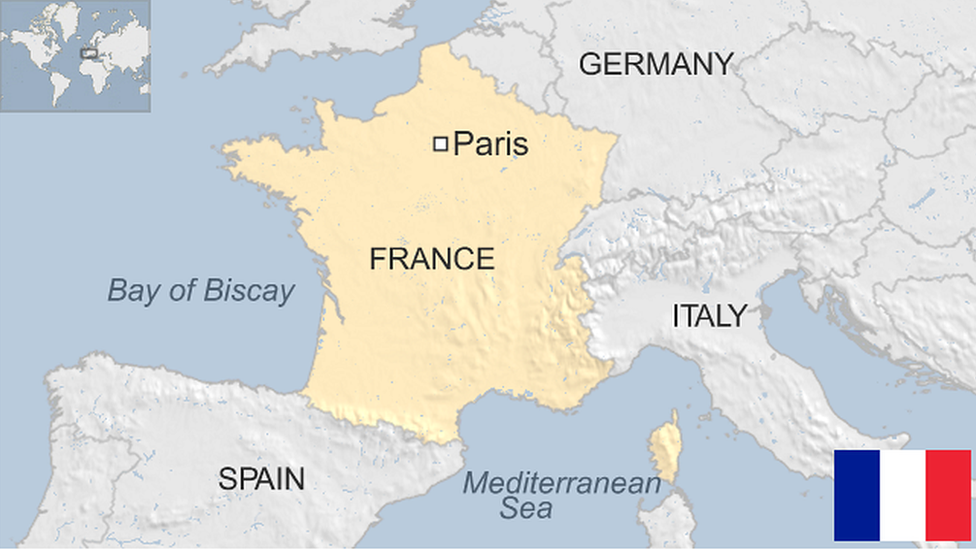
What are the Key Highlights of the India-France Strategic Partnership?
- Strategic Partnership: The India–France Strategic Partnership, established in 1998, is founded on three key pillars, i.e., non-interference in internal affairs, commitment to strategic autonomy, and avoiding involvement in each other’s alliances and coalitions.
- Defence Cooperation: Defence cooperation lies at the core of the India–France relationship, with France emerging as India’s 2nd-largest arms supplier after Russia.
- Key acquisitions include Rafale jets, 26 Rafale-Marine fighters, and Scorpene submarines, while joint exercises—Shakti (Army), Varuna (Navy), and Garuda (Air Force)—enhance tri-service cooperation with France.
- France's willingness to offer top defence systems and technology transfers distinguishes it from other Western partners.
- Economic and Trade Relations: France is India’s 3rd-largest EU trading partner (after the Netherlands and Germany), with bilateral trade more than doubling to Euros 12.67 billion in 2024-25, a figure expected to grow following the India-EU Free Trade Agreement.
- As the 11th largest foreign investor, France has cumulatively invested Euros 9.79 billion from April 2000 to March 2025, accounting for 1.61% of total FDI inflows.
- Civil Nuclear Cooperation: India and France signed a civil nuclear cooperation agreement in 2008. Both nations have agreed to partner on cost-effective SMRs, supported by India's Rs 20,000 crore Nuclear Energy Mission for faster deployment.
- Space and Aerospace Cooperation: In 2021, ISRO and CNES signed a new space cooperation agreement at the Human Space Flight Centre (HSFC) in Bengaluru. India's space startups are benefiting from France's expertise in AI-based satellite applications.
- Both have a joint satellite mission named TRISHNA Mission (Thermal Infrared Imaging Satellite for High-resolution Natural Resource Assessment).
- Artificial Intelligence: Both nations have unveiled the India-France Roadmap on Artificial Intelligence (AI), focusing on safe, open, secure, and trustworthy AI. Indian startups are participating in the French startup incubator Station F.
- Maritime Cooperation: Maritime collaboration is guided by the India-France Roadmap on Blue Economy and Ocean Governance (2022). France, with its territories in the Indo-Pacific, aligns with India's vision of a free, open, and rules-based maritime order.
What are the Key Areas of Concern in the India-France Relations?
- Defence Procurement and Technology Transfer Delays: Projects like Rafale jets, Scorpene submarines, and jet engine collaborations slowed due to contract negotiations, policy changes, and localisation demands.
- Differing Defense and Security Priorities: India's regional focus and "non-aligned" policy sometimes clash with France's global interests (e.g., differing stances on Russia-Ukraine conflict).
- Market Access Issues: France seeks greater access for its pharmaceutical, luxury goods, and defence industries, while India demands easier entry for IT, agriculture, and generic drugs. India faces difficulties exporting to France due to Sanitary and Phytosanitary (SPS) measures, discouraging Indian products from entering the French market.
- Disagreements on Global AI and Data Regulation: France supports the EU's strict General Data Protection Regulation (GDPR) model, while India prefers a flexible, innovation-friendly approach under its Digital Personal Data Protection Act, 2023.
- Disagreements over open-source AI, cybersecurity norms, and digital sovereignty could limit deeper AI cooperation.
- Divergences on Strategic Autonomy: India's strong ties with Russia (for energy and defence) create tensions with France, which has strongly opposed Russia's Ukraine invasion. India refused to join NATO-led sanctions on Russia after the Ukraine war, while France has been a key military backer of Ukraine.
- Immigration and Mobility Restrictions: Despite growing ties, visa restrictions, work permit limits, and recognition of Indian qualifications remain challenges for Indian students and professionals.
- India seeks easier residency and work opportunities for its skilled workforce, but France prioritises EU-wide immigration policies, limiting flexibility.
What Measures are Required to Further Strengthen India-France Relations?
- Deepen Defense and Security Collaboration: Accelerate joint production and research in defense technologies, including co-manufacture of precision-guided missiles, helicopters, and advanced jet engines, while emphasizing India's Atmanirbhar Bharat initiative for self-reliance.
- Advance Energy Cooperation: Broaden collaboration in renewable energy, green hydrogen, and clean technologies to support mutual climate goals, including joint investments in critical minerals and advanced materials.
- Enhance Economic and Trade Ties: Leverage the recently signed India-EU Free Trade Agreement to reduce trade imbalances and tariffs, aiming for balanced growth in bilateral trade.
- Establish dedicated joint working groups to address market access barriers and promote sectors such as aeronautics, space, and high-speed rail.
- Technological Partnerships: Launch the India–France Year of Innovation 2026 by setting up centres of excellence in artificial intelligence, digital sciences, and biotechnology, fostering collaboration among startups, research institutions, and industry.
- Strengthen Cultural Exchanges: Expand educational, cultural, and mobility programs, including the establishment of cultural centers like the Swami Vivekananda Cultural Centre in Paris and cooperation on heritage projects such as the National Maritime Heritage Complex at Lothal.
Conclusion
The partnership has decisively expanded across defence, nuclear energy, AI, space, and multilateral diplomacy under the Horizon 2047 Roadmap. Key outcomes include Rafale-Marine jets, SMRs, and Indo-Pacific collaboration. However, resolving procurement delays, trade imbalances, and geopolitical divergences through sustained dialogue remains essential for long-term strategic autonomy and global influence.
|
Drishti Mains Questions India–France relations have evolved beyond defence procurement into a comprehensive strategic partnership. Examine. |
Frequently Asked Questions (FAQs)
1. When was the India-France Strategic Partnership established?
It was established in 1998 and is based on three pillars i.e., non-interference in internal affairs, commitment to strategic autonomy, and avoiding involvement in each other's alliances and coalitions.
2. What was the key defence outcome of the French President's 2026 visit to India?
The contract to procure 26 Rafale-Marine fighter jets was finalized, and the H125 Final Assembly Line (TATA-Airbus), India's first private sector helicopter manufacturing facility, was inaugurated.
3. What is the India–France AI Roadmap?
It focuses on safe, secure, open, and trustworthy AI, including cooperation in digital sciences and startup ecosystems like Station F.
UPSC Civil Services Examination, Previous Year Questions (PYQs)
Prelims
Q. Consider the following statements: (2016)
- The International Solar Alliance was launched at the United Nations Climate Change Conference in 2015.
- The Alliance includes all the member countries of the United Nations.
Which of the statements given above is/are correct?
(a) 1 only
(b) 2 only
(c) Both 1 and 2
(d) Neither 1 nor 2
Ans: (a)
Mains
Q. How will the I2U2 (India, Israel, UAE and USA) grouping transform India's position in global politics? (2022)
80 Years of the RIN Revolt
For Prelims: Royal Indian Navy (RIN) Revolt, Quit India, Indian National Army (INA), Muslim League, Subhas Chandra Bose, Sardar Patel, Indian Independence League, Indian National Congress.
For Mains: Key facts regarding the Royal Indian Navy Revolt 1946 and its significance in the Indian freedom struggle.
Why in News?
18th February, 2026 marks the 80th anniversary of the Royal Indian Navy (RIN) Revolt of 1946, a short-lived but momentous armed uprising, symbolising militant anti-colonial resistance and rare Hindu-Muslim unity in the final phase of British rule.
Summary
- The RIN Revolt (1946) was a large-scale armed uprising by 20,000 naval ratings against racial discrimination and the INA trials.
- It demonstrated rare Hindu-Muslim unity, with protesters hoisting Congress, Muslim League, and Communist flags together.
- Though suppressed, it accelerated British withdrawal, forced key concessions, and established the principle of civilian supremacy in India.
What is the Royal Indian Navy Revolt 1946?
- About: It was a large-scale insurrection, with over 20,000 naval ratings participating. It involved 78 ships and 20 shore establishments, including HMIS Talwar in Bombay, and spread to naval bases in Karachi, Madras, Cochin, Vishakhapatnam, Calcutta, and the Andaman Islands.
- Sympathetic strikes also occurred in the Royal Indian Air Force in Bombay, Poona, Calcutta, Jessore, and Ambala.
- Immediate Triggers and Grievances: The revolt was sparked by ratings at HMIS Talwar in Bombay over poor food quality, low wages, racial discrimination, abuse by superior officers, and the arrest of a rating for scrawling 'Quit India' on the ship.
- Broader Political Links: A Naval Central Strike Committee was formed, and they protested against the trials of Indian National Army (INA) prisoners of war and the use of Indian troops to restore French and Dutch colonial rule in Vietnam and Indonesia.
- Broader Context of INA Trials:
- Trials: The British held the first trial at the Red Fort in Delhi in November 1945, putting a Hindu (Prem Kumar Sehgal), a Muslim (Shah Nawaz Khan), and a Sikh (Gurbaksh Singh Dhillon) in the dock together.
- Congress Support: At its September 1945 Bombay session, Congress passed a strong resolution supporting the INA cause. The defence was organized by Bhulabhai Desai, Tej Bahadur Sapru, Kailash Nath Katju, Jawaharlal Nehru, and Asaf Ali.
- Diverse Support: The campaign saw participation from diverse groups, including the Muslim League, Communist Party of India, Unionists, Akalis, Justice Party, Ahrars, RSS, Hindu Mahasabha, and the Sikh League. Even loyalists and government employees collected funds.
- Symbols of Unity: During the uprising, naval ratings organized a procession carrying a portrait of Subhas Chandra Bose.
- On the mast of the rebel fleet, they defiantly hoisted the flags of the Congress, the Muslim League, and the Communist Party (hammer and sickle) together.
- Escalation to Armed Conflict: The peaceful hunger strike transformed into an armed uprising when British military forces opened fire on the naval ratings.
- In response, ratings inside the barracks waged a pitched battle with firearms, and rebel ships in the harbour manned their guns, threatening a full-scale military conflict to defend their comrades on shore.
- Communal Unity on the Streets: The revolt triggered a popular uprising in Bombay. Hindu and Muslim protesters jointly took to the streets, observing a hartal. The crowd raided post offices, dug up tram tracks, set up barricades with boulders and barrels, lit bonfires, and torched buses and military vehicles.
- Bombay's mill district emerged as the epicentre. All textile mills, railway workshops, and factories were closed.
- Brutal Suppression and Casualties: To restore order, the British government mobilized army battalions and armoured vehicles. British troops armed with machine guns and bayonets indiscriminately fired on the crowd.
- End of the Revolt and Its Leaders: The revolt ended on 23rd February, 1946, after Sardar Patel and Muhammad Ali Jinnah persuaded the ratings to surrender, assuring them that national parties would prevent any victimisation.
Indian National Army (INA)
- About: INA was a military force formed during World War II by Indian prisoners of war (POWs) to liberate India from British rule, and its subsequent trials sparked nationwide uprisings that hastened the end of the Raj.
- Formation: Initially proposed by Mohan Singh with Japanese support, recruiting 40,000 soldiers. Rashbehari Bose formed the Indian Independence League in Tokyo (1942).
- Subhas Chandra Bose took command on 25th August 1943 and established the Provisional Government of Free India in Singapore (21st October 1943), recognized by 9 countries, including Japan and Germany.
- Campaign & Collapse: Launched 'Chalo Delhi' campaign, hoisted flag at Moirang, Manipur. Collapsed after Japan's surrender (15th August 1945) and Bose's reported death in a Taiwan plane crash (18th August 1945).
- INA Trials (Red Fort): First trial at the Red Fort (November 1945) of Prem Kumar Sehgal (Hindu), Shah Nawaz Khan (Muslim), Gurbaksh Singh Dhillon (Sikh) —symbolizing unity. Defended by Bhulabhai Desai, Tej Bahadur Sapru, Jawaharlal Nehru, Asaf Ali. Bombay Congress Session (September 1945) supported prisoners.
- Major Upsurges (1945–46): Triggered three violent confrontations i.e., 21st November 1945 (Calcutta), 11th February 1946 (Calcutta against Rashid Ali), and 18th February 1946 (Royal Indian Navy mutiny, Bombay).
What is the Significance of the Royal Indian Navy Revolt 1946?
- Impact on British Policy: These upsurges forced the British to extend concessions:
- The Cabinet Mission was sent to India in January 1946.
- On 1st December, 1946, the government announced only INA members accused of murder or brutality would be tried.
- Imprisonment sentences for the first batch of INA prisoners were remitted in January 1947.
- Indian soldiers were withdrawn from Indo-China and Indonesia by February 1947.
- Eroding British Control Over Armed Forces: The mutiny starkly illustrated that the loyalty of Indian personnel in the colonial military — a cornerstone of British rule — could no longer be taken for granted. It contributed to British realisation that retaining control through force had become untenable.
- Acceleration of British withdrawal: The uprising occurred at a critical juncture when negotiations for independence were underway. It is widely regarded as having hastened the British decision to expedite departure.
- Symbol of Nationalistic Awakening and Unity: Despite its spontaneous and largely leaderless character, the revolt displayed remarkable cross-communal solidarity among Hindu and Muslim sailors amid rising communal tensions elsewhere.
- Participants raised flags of the Indian National Congress, the Muslim League, and the Communist Party of India, while slogans such as "Quit India," "Jai Hind," and "Inquilab Zindabad" reflected broader anti-colonial sentiment inspired by events like the Quit India Movement and Azad Hind Fauj.
- Progressive poet Sahir Ludhianvi immortalised this unity as "a flower of hope amidst a garden scorched and desolate" (Jhulse hue viraan gulshan me, ek aas-umeed ka phool khila), emphasising its rarity amidst escalating communal discord.
- Precedents for Post-independence India: The episode reinforced the principle of civilian supremacy over the military, as political leaders intervened to end the unrest and the British suppressed it through superior force. It also exposed the limitations of armed challenges in the final phase of colonial rule.
What were the Limitations of the Royal Indian Navy Revolt 1946?
- Absence of Centralised Leadership: The revolt was largely spontaneous and leaderless. Although a Naval Central Strike Committee emerged, it lacked an experienced military or political command structure.
- Lack of Support from Major Political Organizations: The Indian National Congress and the All-India Muslim League condemned the uprising and urged the sailors to surrender.
- Mahatma Gandhi criticized the action for proceeding without political authority, while Ballabhbhai Patel viewed it as a threat to a negotiated, non-violent transfer of power. This political isolation deprived the mutineers of legitimacy and broader mobilization.
- Limited Scope and Failure to Link with Wider Forces: The revolt did not secure coordinated support from the Indian Army. It remained confined to naval personnel and select urban centres like Bombay, Karachi, and Madras, without developing into a general armed insurrection.
- Superior British Military Response: The British assembled an overwhelming force, including Royal Navy warships and loyal troops, to isolate the rebels. The mutineers, lacking heavy armament, ammunition reserves, or defensible positions, faced inevitable defeat.
- Strategic Context of Independence Process: The uprising occurred when constitutional negotiations, including the impending Cabinet Mission, were advanced. Major political actors prioritized a peaceful, negotiated exit over mass disorder. The revolt's radical character clashed with the prevailing preference for a controlled transition.
Conclusion
The Royal Indian Navy Revolt 1946 was a watershed moment that exposed the crumbling foundations of British military authority in India. Though short-lived and suppressed, it demonstrated unprecedented Hindu-Muslim unity, accelerated British withdrawal, and reinforced the principle of civilian supremacy over the armed forces for independent India.
|
Drishti Mains Question: The Royal Indian Navy Revolt of 1946 was more than a mutiny; it was a popular uprising that symbolized the erosion of British authority. Analyze. |
Frequently Asked Questions (FAQs)
1. When did the Royal Indian Navy Revolt take place?
The revolt began on 18th February 1946 in Bombay and lasted until the surrender on 23rd February 1946.
2. What were the immediate causes of the RIN Revolt?
The immediate causes were poor food quality, low wages, racial discrimination, abuse by superior officers, and the arrest of a rating for writing 'Quit India' on HMIS Talwar.
3. How did the INA trials influence the RIN Revolt?
The INA trials at the Red Fort (November 1945) generated massive anti-colonial sentiment, and the ratings explicitly protested against these trials, linking their military grievances to broader national issues.
4. What was unique about the communal unity displayed during the revolt?
The ratings hoisted the flags of the Congress, Muslim League, and Communist Party together, and Hindu-Muslim protesters jointly fought British forces on the streets of Bombay.
UPSC Civil Services Examination, Previous Year Questions (PYQs)
Prelims
Q. In the context of Colonial India, Shah Nawaz Khan, Prem Kumar Sehgal and Gurbaksh Singh Dhillon are remembered as (2021)
(a) leaders of Swadeshi and Boycott Movement
(b) members of the Interim Government in 1946
(c) members of the Drafting Committee in the Constituent Assembly
(d) officers of the Indian National Army
Ans: (d)
Q. During the Indian Freedom Struggle, who of the following raised an army called ‘Free Indian Legion’? (2008)
(a) Lala Hardayal
(b) Rashbehari Bose
(c) Subhas Chandra Bose
(d) V.D. Savarkar
Ans: (c)
Mains
Q. Many voices had strengthened and enriched the nationalist movement during the Gandhian Phase. Elaborate. (2019)
Q. Highlight the difference in the approach of Subhash Chandra Bose and Mahatma Gandhi in the struggle for freedom. (2016)
Q. How different would have been the achievement of Indian independence without Mahatma Gandhi? Discuss. (2015)
Q. In what ways did the naval mutiny prove to be the last nail in the coffin of British colonial aspirations in India? (2014)
Tribal Protests Over Forest Rights Act
Prelims: Forest Rights Act (FRA), PESA Act, Scheduled Areas, Individual Forest Rights (IFR), Community Forest Rights (CFR), MSP
Mains: Implementation gaps in FRA, Tribal land rights, Centre–State governance issues, Livelihood security of forest dwellers, Conservation vs Rights debate
Why in News?
Recently, tribal farmers in Maharashtra held long marches demanding effective Forest Rights Act implementation, land titles, irrigation, jobs and education reforms.
Summary
- Tribal protests in Maharashtra underscore persistent failures in implementing the Forest Rights Act, resulting in insecure land tenure and livelihood uncertainty in Scheduled Areas.
- Structural issues such as fragmented land records, high rejection of forest rights claims, and marginalisation of Gram Sabhas continue to weaken participatory forest governance.
- Agrarian distress, inadequate irrigation, lack of MSP coverage, and gaps in employment and education have intensified socio-economic vulnerability among tribal communities.
- The movement highlights the need for a rights-based, livelihood-centric governance approach that balances conservation objectives with community participation and constitutional safeguards.
What are the Issues Faced by the Forest Dweller Communities?
- Pre Colonial Era: Before colonialism, local communities had traditional rights over forests in their area or even a wider region. Even if kings or chieftains claimed hunting rights in specific forests, local communities still had access to all other benefits from the forests.
- Colonial Era: The colonial government introduced Indian Forest Act, 1878 which was based on the idea of ‘eminent domain’ (that the ruler always owns all property),.
- The Imperial Forest Department was established to harvest and transform the forest to maximise timber and revenue.
- It was also tasked with protecting ‘state’ property against local communities, now deemed trespassers.
- The injustices imposed by this colonial forest policy took multiple forms:
- Now that forests were seen as primarily a timber resource, shifting cultivation was banned.
- The so-called survey and settlement of agricultural lands was incomplete and biased in favour of the state.
- ‘Forest Villages’ were created to ensure labour for forestry operations , wherein forest land was leased for agriculture to households (mostly Adivasis) in return for compulsory labour (virtually bonded).
- Since forests were now state property, all access to forest produce was limited, temporary and chargeable, and always at the mercy of the forest bureaucracy that was armed with police powers.
- Any concessions to local livelihood needs were termed ‘privileges’ that could be modified or withdrawn any time.
- Even where access was permitted, the local community had no right to manage the forest, as the state logged valuable forests and made heavily used forest de facto open-access.
- The Imperial Forest Department was established to harvest and transform the forest to maximise timber and revenue.
- Post Independence Era:
- After Independence, things didn’t change much. When the government hurriedly brought princely States and zamindari estates into the Union, they declared their forest areas as state property without checking who was living there.
- People who had been living there for generations suddenly became 'encroachers.'
- The government then leased out forest lands under various campaigns, such as ‘Grow More Food’, to meet the needs of a growing population, but they were never properly regulated.
- People displaced by dams were not given alternative lands and ended up 'encroaching' on forest land elsewhere.
- The Wildlife (Protection) Act 1972 and the Forest (Conservation) Act 1980 (FCA), again conceived within the framework of eminent domain.
- Many communities were forcefully moved to establish sanctuaries and national parks.
- When using forests for development, the opinions of local people were not considered, and despite charging significant fees, they were not adequately compensated for the impact on their lives.
- The prolonged non-recognition of cultivated forest land has led to recurring mass mobilisations and long marches by tribal communities.
What is Forest Rights Act, 2006 and its Provisions?
- Recognition: The Act recognizes and vests the forest rights and occupation in Forest land in Forest Dwelling Scheduled Tribes (FDST) and Other Traditional Forest Dwellers (OTFD) who have been residing in such forests for generations.
- Eligibility: Forest rights can also be claimed by any member or community who has for at least three generations (75 years) prior to the 13th day of December, 2005 primarily resided in forest land for bona fide livelihood needs.
- Conservation: It strengthens the conservation regime of the forests while ensuring livelihood and food security of the FDST and OTFD.
- Decentralization: The Gram Sabha is the authority to initiate the process for determining the nature and extent of Individual Forest Rights (IFR) or Community Forest Rights (CFR) or both that may be given to FDST and OTFD.
- The Act identifies four types of rights:
- Title rights: It gives FDST and OTFD the right to ownership to land farmed by tribals or forest dwellers subject to a maximum of 4 hectares. Ownership is only for land that is actually being cultivated by the concerned family and no new lands will be granted.
- Use rights: The rights of the dwellers extend to extracting Minor Forest Produce, grazing areas etc.
- Relief and development rights: To rehabilitate in case of illegal eviction or forced displacement and to basic amenities, subject to restrictions for forest protection.
- Forest management rights: It includes the right to protect, regenerate or conserve or manage any community forest resource which they have been traditionally protecting and conserving for sustainable use.
What are the Issues in Implementation of the Forest Rights Act?
- Individual Rights vs. Community Rights: Politicians in some states have predominantly focused on individual rights, turning the Act into an 'encroachment regularization' scheme. This approach neglects the recognition and protection of community rights, which are essential for sustainable forest management.
- Poor Recognition of Individual Forest Rights (IFRs): The recognition of Individual Forest Rights has been done poorly, often compromised by resistance from the Forest Department, apathy from other departments, and misuse of technology.
- In some regions, more than 45% of claims have reportedly been rejected, and many approved claims provide smaller land areas than actually cultivated.
- Digital Processes in Areas with Poor Connectivity: Implementation of digital processes, such as the VanMitra software in Madhya Pradesh, has posed challenges in areas with poor connectivity and low literacy rates. This exacerbates existing injustices and hinders the effective filing and processing of claims.
- Incomplete Recognition of Community Forest Rights (CFRs): The slow and incomplete recognition of community rights to access and manage forests (CFRs) is a significant lacuna in FRA implementation. The forest bureaucracy is resistant to these rights, potentially impeding the empowerment of local communities in managing their forests.
- Forest Villages Not Addressed: The issue of 'forest villages' has not been adequately addressed in most states, indicating a lack of comprehensive implementation.
- Despite statutory authority under the Forest Rights Act and PESA, Gram Sabhas are often sidelined during claim verification and approval.
What Steps Are Needed to Address Issues in FRA Implementation?
- Empowerment of Gram Sabha: Ensure that the Gram Sabha, the local self-government in villages, is actively involved in decision-making processes related to forest management.
- Inclusive Decision Making: Encourage the inclusion of rights holders in the decision-making processes to ensure that their perspectives and needs are considered.
- Accountability Measures: Implement accountability measures for any violations or non-compliance with the FRA, ensuring that responsible authorities are held accountable.
- Integrated Planning: Develop integrated plans that consider both the development and conservation needs of forests while respecting the rights and interests of forest dwellers.
- Strengthen PESA Implementation: Enhance tribal self-governance in Scheduled Areas and expand employment opportunities for educated tribal youth.
- Link Livelihood Support with Land Rights: Integrate irrigation, MSP access and rural infrastructure support with forest rights recognition for socio-economic empowerment.
- Convergence-Based Development Planning: Combine forest rights recognition with agriculture, water management and education interventions in tribal regions.
Conclusion
The tribal protests in Maharashtra highlight structural failures in land governance, welfare delivery, and rights recognition in Scheduled Areas. Weak implementation of the Forest Rights Act, livelihood insecurity, and administrative bottlenecks have sustained tribal distress, necessitating a rights-based approach that balances conservation with community participation, corrects land records, and strengthens local self-governance.
|
Drishti Mains Question: How do implementation gaps in the Forest Rights Act undermine tribal livelihoods and participatory forest governance? Examine with reference to recent protests in Maharashtra. |
Frequently Asked Questions (FAQs)
1. What is the main objective of the Forest Rights Act, 2006?
To recognize and grant legal forest land rights to Scheduled Tribes and traditional forest dwellers who have been living in forests for generations.
2. Who can claim rights under the FRA?
Forest Dwelling Scheduled Tribes and Other Traditional Forest Dwellers residing in forest land for at least three generations (75 years) before 13th December 2005.
3. What is the role of the Gram Sabha in FRA?
The Gram Sabha verifies claims and determines the nature and extent of individual and community forest rights.
4.Which types of rights are recognised under the Forest Rights Act, 2006? Title rights, Use rights, Relief and development rights, and Forest management rights.
UPSC Civil Services Examination Previous Year Question (PYQ)
Prelims
Q. At the national level, which ministry is the nodal agency to ensure effective implementation of the Scheduled Tribes and Other Traditional Forest Dwellers (Recognition of Forest Rights) Act, 2006?
(a) Ministry of Environment, Forest and Climate Change
(b) Ministry of Panchayati Raj
(c) Ministry of Rural Development
(d) Ministry of Tribal Affairs
Ans: (d)
Q. Under which Schedule of the Constitution of India can the transfer of tribal land to private parties for mining be declared null and void? (2019)
(a) Third Schedule
(b) Fifth Schedule
(c) Ninth Schedule
(d) Twelfth Schedule
Ans: (b)
Q. If a particular area is brought under the Fifth Schedule of the Constitution of India, which one of the following statements best reflects the consequence of it? (2022)
(a) This would prevent the transfer of land of tribal people to non-tribal people.
(b) This would create a local self-governing body in that area.
(c) This would convert that area into a Union Territory.
(d) The State having such areas would be declared a Special Category State.
Ans: (a)
Mains
Q. What are the two major legal initiatives by the State since Independence addressing discrimination against Scheduled Tribes (STs)?(2017)
Bio-based Chemicals
Why in News?
Bio-based chemicals represent a strategic sector for India to leverage its agricultural base, reduce import dependence on petrochemicals, and align with global sustainability goals.
What are Bio-based Chemicals?
- About: Bio-based chemicals are chemical substances derived wholly or in part from renewable biological resources (plants, agricultural residues, forestry materials, marine sources, algae) rather than from fossil fuels such as petroleum, natural gas, or coal.
- Enzymes are biological catalysts widely used in detergents, food processing, pharmaceuticals, textiles, pulp and paper, and increasingly in biomanufacturing, often working at lower temperatures and pressures to reduce energy use and emissions.
- Production Methods: Production typically involves biorefineries where biomass feedstocks undergo processes such as fermentation, enzymatic conversion, thermochemical treatment, or catalytic upgrading.
- Common methods include microbial fermentation of sugars or starches to produce organic acids and alcohols, or extraction and modification of plant-derived oils and lignocellulosic materials.
- Examples of Bio-based Chemicals:
|
Chemical |
Production Method |
Applications |
|
Lactic acid |
Fermentation of carbohydrates |
Biodegradable plastics (polylactic acid), food preservatives, cosmetics |
|
Succinic acid |
Derived from glucose/sugars |
Intermediate for polymers, solvents, pharmaceuticals |
|
Bio-based glycerol |
By-product of biodiesel production |
Pharmaceuticals, personal care, chemical feedstock |
|
Bio-ethanol and bio-butanol |
Fermentation |
Solvents, fuels, chemical building blocks |
|
1,3-Propanediol |
Fermented from glycerol/sugars |
Polyesters for textiles, cosmetics, industrial uses |
|
Bio-based surfactants and lubricants |
Derived from plant oils |
Detergents, paints, adhesives |
- India's Current Status and Potential: India has strong fundamentals including a large agricultural base, deep expertise in fermentation from pharmaceuticals and vaccines, and a growing manufacturing sector.
- Expanding this space could reduce import dependence on petrochemicals (e.g., India imported USD 479.8 million worth of acetic acid in 2023), create new markets for agricultural produce, and position India as a competitive supplier of sustainable industrial inputs.
- India has prioritised bio-based chemicals and enzymes under the Department of Biotechnology's BioE3 policy.
- Global Best Practices:
- European Union: The EU Bioeconomy Strategy and Action Plan provides coordinated support for bio-based chemicals as part of circular bioeconomy goals.
- United States: The USDA BioPreferred Program mandates federal procurement preference for certified bio-based products, creating early markets for producers.
- China: National bioeconomy development plans explicitly prioritise high-value bio-based chemicals and enzyme technologies as strategic sectors.
- Advantages: Principal advantages include reduced greenhouse gas emissions, decreased dependence on non-renewable resources, enhanced biodegradability, and alignment with circular economy principles through the valorisation of agricultural and industrial waste streams.
- Risks and Challenges: Key risks include low cost competitiveness against petrochemicals, which deters private investment during scale-up, and uncertainty over reliable feedstock availability and infrastructure.
- Market adoption also poses a challenge, as manufacturers may be reluctant to switch from existing inputs even when costs are comparable.
Frequently Asked Questions (FAQs)
1. What are bio-based chemicals?
Bio-based chemicals are industrial chemicals derived from renewable biomass (plants, residues, algae) instead of fossil fuels, often produced through fermentation or enzymatic processes.
2. Why are enzymes important in the bio-based chemical sector?
Enzymes act as biological catalysts, enabling low-temperature, low-energy industrial processes in detergents, pharmaceuticals, textiles, and biomanufacturing.
3. Why is India focusing on bio-based chemicals?
India aims to reduce petrochemical import dependence (e.g., USD 479.8 million acetic acid imports in 2023), leverage its agricultural base, and align with sustainability goals under the BioE3 policy.
UPSC Civil Services Examination, Previous Year Question (PYQ)
Q. Mycorrhizal biotechnology has been used in rehabilitating degraded sites because mycorrhiza enables the plants to (2013)
- resist drought and increase absorptive area
- tolerate extremes of pH
- resist disease infestation
Select the correct answer using the codes given below:
(a) 1 only
(b) 2 and 3 only
(c) 1 and 3 only
(d) 1, 2 and 3
Ans: (d)
Q. Other than resistance to pests, what are the prospects for which genetically engineered plants have been created? (2012)
- To enable them to withstand drought
- To increase the nutritive value of the produce
- To enable them to grow and do photosynthesis in spaceships and space stations
- To increase their shelf life
Select the correct answer using the codes given below:
(a) 1 and 2 only
(b) 3 and 4 only
(c) 1, 2 and 4 only
(d) 1, 2, 3 and 4
Ans: (c)
Bharat VISTAAR
Recently, the Ministry of Agriculture launched Phase-1 of the AI-based ‘Bharat VISTAAR’ scheme in Jaipur, Rajasthan, amid the AI Summit in Delhi to digitally empower farmers.
- About: ‘Bharat VISTAAR’ is a multilingual Artificial Intelligence(AI) based conversational advisory system that allows farmers to ask agriculture-related questions through mobile or smartphone and receive instant solutions.
- Objective: To make agriculture accessible, affordable and technology-driven through AI-based personalised advisory and strengthen farmer self-reliance.
- Helpline Access: Farmers can dial the helpline number 155261 to get immediate answers in their local language (currently Hindi and English, soon expanding to 11 languages) and check real-time mandi prices across India.
- Integrated Platform: It combines AgriStack, Indian Council of Agricultural Research(ICAR) knowledge systems, India Meteorological Department (IMD) weather inputs, market prices and government schemes into one digital interface.
- Farmer ID: A digital Farmer Identity Card will store farmer data and integrate services like PM Fasal Bima Yojana and Soil Health Card.
- Services: Provides guidance on soil testing, seeds, fertilisers, irrigation, loans, insurance and scheme benefits while improving productivity and reducing risks.
- Other Initiatives: Alongside the launch, a farmer-centric AI Hackathon and the Agri Kosh AI Strategy Roadmap were unveiled to promote innovation in agricultural technology.
| Read more: India-AI Impact Summit 2026 |
SAHI & BODH Health AI Initiatives
Recently, the Union Health Minister launched two digital initiatives, Secure AI for Health Initiative (SAHI) and Benchmarking Open Data Platform for Health AI (BODH), at the India AI Impact Summit 2026 to strengthen India’s health AI ecosystem.
- SAHI (Governance Framework): SAHI functions as a national roadmap and policy framework guiding responsible AI adoption through accountability, privacy protection and citizen-centric safeguards.
- BODH (Validation Platform): BODH provides a structured platform to test, benchmark and validate AI health solutions for performance, safety and real-world readiness before deployment.
- Objective: To ensure AI solutions in healthcare are safe, reliable, evidence-based and people-centric while strengthening public trust.
- Digital Health Backbone: The initiatives build on the vision of the National Health Policy 2017 and the Ayushman Bharat Digital Mission (2020) to create an interoperable and scalable digital health infrastructure.
- Data & Infrastructure: The framework promotes interoperable and consent-based health data systems to ensure security and public trust in digital health technologies.
- Collaboration: It enables coordinated participation of government, academia and industry to integrate AI solutions in healthcare responsibly.
- Impact: AI tools can improve diagnostics, accelerate drug discovery, strengthen clinical decision-making and make healthcare delivery affordable and accessible.
| Read more: India-AI Impact Summit 2026 |
Bee Corridor
The National Highways Authority of India (NHAI) has launched a first-of-its-kind initiative to develop pollinator or ‘Bee Corridors’ along National Highways to promote ecological infrastructure development.
- About: The ‘Bee Corridor’ will have a continuous stretch of flowering trees, shrubs, herbs and grasses that will provide year-round nectar and pollen through staggered seasonal flowering cycles.
- Objective: The project shifts highway plantations from ornamental greenery to biodiversity-supportive vegetation to protect honeybees and other pollinators.
- Species Selection: Native species such as Neem, Karanj, Mahua, Palash, Bottle Brush, Jamun and Siris will be planted, while flowering weeds, dead wood and hollow trunks will be retained for pollinator habitats.
- Implementation Plan: Corridors will be developed along suitable highway stretches and vacant NHAI land, with flowering clusters every 500 m–1 km based on bee foraging distance.
- Plantation Target: Approximately 40 lakh trees are planned to be planted during 2026–27, of which nearly 60% will be under the Bee Corridor initiative, with at least three pollinator corridors to be developed in the initial phase.
| Read More: National Highways Authority of India, National Beekeeping & Honey Mission |
Exercise MILAN 2026
The Indian Navy has established a dedicated MILAN village in Visakhapatnam to facilitate cultural and social exchanges among delegates participating in 13th Exercise MILAN 2026 (15th to 25th February 2026).
- 13th Exercise MILAN 2026 features participation from over 70 countries, including first-timers like Germany, the Philippines, and the UAE.
Exercise MILAN
- About: MILAN is a biennial (once every two years) multilateral naval exercise hosted by the Indian Navy. Launched in 1995 under the Andaman and Nicobar Command with participation from just four foreign navies—Indonesia, Singapore, Sri Lanka, and Thailand—it has since grown into one of the largest maritime engagements in the Indo-Pacific region.
- Core Objectives: Aims to foster mutual understanding, trust, and professional interaction among maritime partners to promote a free, open, inclusive, and rules-based maritime order.
- Structural Phases: Comprises two main phases: the Harbour Phase (seminars, subject-matter expert exchanges, etc.) and the Sea Phase (focusing on interoperability, HADR, anti-submarine warfare, and tactical manoeuvres).
- Policy Alignment: The exercise serves as a key platform for India's Act East Policy 2014, the MAHASAGAR vision, and its role as a preferred security partner in the Indo-Pacific.
| Read More: India's Maritime Strategy |
AI-Preneurs of India
The Atal Innovation Mission (AIM), under NITI Aayog, launched "AI-Preneurs of India",a flagship coffee table book, at the India AI Impact Summit 2026.
- Key Features of the Book: Chronicles the entrepreneurial journeys of 45 pioneering AI startups selected from a nationwide network of Atal Incubation Centres (AICs).
- Employs a "founder-first" storytelling approach highlighting motivations, perseverance, and challenges faced by entrepreneurs, rather than focusing solely on technical achievements.
Atal Innovation Mission (AIM)
- About: The Atal Innovation Mission (AIM) , launched by NITI Aayog in 2016, is the Government of India's flagship initiative to promote a culture of innovation and entrepreneurship across the country.
- It fosters a problem-solving mindset in students and strengthens the entrepreneurial ecosystem in schools, universities, and research institutions.
- Key Programs under AIM:
|
Program |
Target Group |
Key Features/Objective |
|
Atal Tinkering Labs (ATLs) |
School students (Grades 6–12) |
Established in schools to foster innovation through tools such as 3D printing, robotics, and electronics. |
|
Atal Incubation Centres (AICs) |
Startups and entrepreneurs |
Business incubators that promote startups by providing mentorship, funding, and technical support. |
|
Atal Community Innovation Centres (ACICs) |
Underserved regions |
Promote innovation in Tier 2/3 cities, tribal areas, and underserved communities. |
|
Atal New India Challenges (ANIC) |
Technology-based innovators |
Support innovations addressing national challenges through funding and mentorship. |
|
Mentor India |
Entrepreneurs and innovators |
Engages 6,200+ mentors across sectors to guide entrepreneurs and innovators under AIM programs. |
| Read More: Atal Innovation Mission 2.0 |