
Hate Speech and Hate Crime
For Prelims: Supreme Court of India, Hate crimes, Hate speech, Law Commission Report, Article 19, National Crime Records Bureau
For Mains: Hate speech vs freedom of speech, Legal and institutional gaps in addressing hate crimes in India, Role of judiciary in safeguarding fraternity and equality
Why in News?
The Supreme Court of India addressed growing concerns over hate crimes and hate speech, urging restraint in divisive public statements while examining a plea for a special legal framework to recognise hate-based offences.
- The Court emphasised that identity-based violence and discriminatory rhetoric threaten social unity, even as it stressed that responses must uphold constitutional values of equality, fraternity, and national integration.
Summary
- The Supreme Court has raised concerns over rising hate speech and hate crimes, stressing that identity-based violence threatens social unity and must be addressed within constitutional values of equality and fraternity.
- It highlighted legal gaps, enforcement failures, and digital amplification as key challenges, while calling for clearer laws, stricter enforcement, and preventive measures to curb hate-based offences.
What is Hate speech and Hate Crime?
Hate speech
- About: According to the 267th Law Commission Report (2017), hate speech means words or actions meant to stir hatred against groups based on race, ethnicity, gender, religion, sexual orientation, etc.
- Thus, it includes spoken or written words, signs, or visuals intended to create fear, provoke violence, or incite hatred.
- Protection Against Hate Speech:
- Constitutional Protection & Limits: Article 19(1)(a) guarantees free speech, while Article 19(2) allows reasonable restrictions to protect public order, dignity, sovereignty, and prevent incitement of offences.
- Legal Provisions:
- Bharatiya Nyaya Sanhita, 2023: Penalises promoting enmity between groups.
- Representation of the People Act, 1951: Disqualifies candidates convicted of promoting communal disharmony.
- SC/ST (Prevention of Atrocities) Act, 1989: Punishes insults or humiliation of SC/ST members.
- Protection of Civil Rights Act, 1955: Penalises acts promoting untouchability.
- Key Judgements Related to Hate Speech:
- Shaheen Abdulla v. Union of India (2022): The Supreme Court noted the rising climate of hate speech and directed police to take suo motu action without waiting for formal complaints.
- Tehseen S. Poonawalla v. Union of India (2018): The Court issued guidelines to curb hate speech-driven mob violence, including appointing district nodal officers to prevent lynching.
- Shreya Singhal v. Union of India (2015): The Supreme Court struck down Section 66A of the Information Technology Act, of 2000 for vagueness, affirming that vague restrictions violate free speech under Article 19(1)(a).
- Pravasi Bhalai Sangathan v. Union of India (2014): The Court urged the Law Commission to define hate speech and explore measures empowering the Election Commission to regulate it.
Hate Crime
- About: A hate crime is a crime motivated by bias against race, color, religion, national origin, sexual orientation, gender, gender identity or disability.
- Protection Against Hate Crime: India does not have a specific legal definition of hate crimes.
- However, provisions under the Bharatiya Nyaya Sanhita (BNS), 2023 and the Scheduled Castes and Scheduled Tribes (Prevention of Atrocities) Act, 1989 address acts such as mob lynching based on religion, caste-based violence, attacks on Dalits and minorities, and gender- or sexuality-based assaults.
What are the Challenges in Curbing Hate Speech and Hate Crime?
- The Legal Challenge:
- Vague Definitions: The absence of a standalone "Hate Crime" statute in the BNS, 2023 makes it difficult to prosecute bias-motivated violence specifically.
- Terms like "annoyance," "insult," or "disharmony" can be interpreted subjectively.
- Proving what was in a person's mind during a crime is a massive evidentiary challenge.
- Proving Intent: To secure a conviction, prosecutors must prove "malicious intent" or a specific "bias motive."
- Vague Definitions: The absence of a standalone "Hate Crime" statute in the BNS, 2023 makes it difficult to prosecute bias-motivated violence specifically.
- The Enforcement Gap:
- Failure of Suo Motu Action: Although the SC directed police to file cases on their own (suo motu) without waiting for a complaint, enforcement remains patchy, especially when powerful political figures are involved.
- Low Conviction Rates: Cases filed under promoting enmity often result in acquittals because of poor evidence collection or political pressure on investigators.
- The Digital Dilemma:
- Algorithmic Amplification: Social media platforms often prioritize "engaging" content, which unfortunately includes sensationalist and hateful rhetoric.
- Anonymity: The perceived anonymity of the internet allows habitual offenders to operate with impunity, often using Virtual Private Networks or fake accounts.
- Transnational Nature: Hateful content can be hosted on servers outside India, making it difficult for local law enforcement to take down content or arrest perpetrators.
- The Societal Challenge:
- Electoral Gains: The Supreme Court noted that some political actors use fear-mongering and exclusionary narratives for electoral mobilization, making hate "commercially and politically profitable."
- Historical Prejudices: Deep-seated social hierarchies (caste, religion) provide a ready-made environment for hate speech to take root and lead to physical violence (hate crimes).
- Statistical Blind Spot: The National Crime Records Bureau (NCRB) has previously struggled to collect specific data on lynchings or religious killings, making it hard for policymakers to see the true scale of the problem.
What Measures Can Curb Hate Speech and Hate Crime?
- Codify a Specific Definition: Enact a standalone statute that clearly defines "Hate Speech" and "Hate Crime" based on the incitement of violence, discrimination, or severe exclusion.
- Constitutional Tort Liability: Establish that hate speech by public officials is a civil wrong. This allows victims to claim damages from the State for the violation of their Right to Dignity (Art. 21) and Equality (Art. 14).
- Service Rule Enforcement: Amend All India Service Rules to make "failure to prevent/report hate speech" a major misconduct. This allows for the immediate suspension of officials who normalize toxic rhetoric.
- Vishakha-style Code of Conduct: Implement judicial guidelines for Constitutional Functionaries that mandate a "duty of restraint," ensuring that high office-holders foster fraternity as per the Preamble.
- Suo Motu FIR Mandate: Enforce the 2022 Supreme Court directive requiring police to register cases on their own (suo motu) against hate speech, treating any delay as contempt of court.
- 24-Hour Digital Takedown: Under the IT Rules 2026, establish a "priority channel" for District Nodal Officers to demand the removal of inflammatory content within 24 hours to prevent "viral contagion."
- Fast-Track "Hate Courts": Designate special courts to conclude trials for hate crimes within 6 months, ensuring that justice is swift and serves as a visible deterrent.
- Media Literacy in Schools: Integrate critical thinking into the national curriculum (NCERT) to help students identify misinformation and "othering" narratives.
- Community Peace Committees: Institutionalize ward-level committees of diverse local leaders to act as first responders who can de-escalate communal tensions before they turn into physical violence.
Conclusion
By integrating legislative precision with digital rapid-response and official "Duty of Care," India aims to protect its constitutional fraternity from the corrosive effects of hate. Ultimately, bridging the gap between legal mandate and ground-level enforcement remains the final frontier in ensuring equal citizenship for all.
|
Drishti Mains Question: Q. Examine the legal and institutional challenges in prosecuting hate crimes in India. Why is a standalone law being demanded? |
Frequently Asked Questions (FAQs)
1. What is hate speech according to the Law Commission of India?
Hate speech includes words, signs, or visuals intended to incite hatred, fear, or violence against groups based on identity factors like religion, caste, gender, or ethnicity.
2. Does India have a specific law defining hate crimes?
No. India lacks a standalone hate crime law; such acts are addressed under BNS provisions and the SC/ST (Prevention of Atrocities) Act.
3. What constitutional provisions regulate hate speech in India?
Article 19(1)(a) guarantees free speech, while Article 19(2) permits reasonable restrictions to protect public order, dignity, and prevent incitement of offences.
4. What challenges hinder action against hate speech and hate crimes?
Key issues include vague legal definitions, difficulty proving bias intent, weak enforcement, digital anonymity, and socio-political polarisation.
UPSC Civil Services Examination, Previous Year Question (PYQ)
Prelims
Q1. ‘Right to Privacy’ is protected under which Article of the Constitution of India? (2021)
(a) Article 15
(b) Article 19
(c) Article 21
(d) Article 29
Ans: (c)
Mains
Q. What do you understand by the concept “freedom of speech and expression”? Does it cover hate speech also? Why do the films in India stand on a slightly different plane from other forms of expression? Discuss. (2014)
Curbing Freebies Culture
For Prelims: Supreme Court, Political Parties, Directive Principles of State Policy (DPSP), Model Code of Conduct, Representation of the People Act, 1951, Economic Survey 2025–26, Fiscal Deficit, Mid-Day Meal Scheme, Pradhan Mantri Kisan Samman Nidhi (PM-KISAN), National Food Security Program, Public Distribution System (PDS), Fiscal Responsibility and Budget Management (FRBM) Act, 2003, Off-budget Borrowings
For Mains: Freebies and concerns associated with freebies in India, freebies vs welfare debate, steps are needed to curb freebies.
Why in News?
The Supreme Court (SC) has expressed deep concern over the growing trend of political parties and state governments announcing freebies and direct cash transfers to woo voters.
SC questioned whether such populist measures amount to "appeasement" and warned they are hindering national development, reigniting the debate between freebies and genuine welfare.
Summary
- Freebies offer short-term relief but risk fiscal unsustainability and dependency.
- Welfare policies, rooted in DPSP, target long-term human development through planned expenditure.
- Solutions include conditional transfers, FRBM strengthening, voter awareness, and distinguishing merit goods from populist freebies.
What are Freebies?
- About: Freebies refer to public welfare measures or benefits provided free of charge by governments or promised by political parties, typically to attract voter support during elections.
- Key Characteristics: Freebies are populist and distortionary, designed to win votes by diverting funds from crucial long-term investments.
- They are also unsustainable and unproductive, creating a burden on state finances and fostering a culture of dependency rather than self-reliance.
- Common Examples:
- Utility Subsidies: Free electricity (up to certain units) for farmers or households, free water connections.
- Consumer Goods: Free distribution of laptops, TVs, mixer-grinders, etc.
- Food and Essentials: Free food grains beyond PDS, monthly free ration kits
- Loan Waivers: Waiving farmer or other community loans.
- Cash Transfers: Direct cash doles to specific groups like unemployed youth or women.
- Legal and Institutional Landscape:
- Supreme Court: In the S. Subramaniam Balaji Case, 2013, the SC ruled that freebies fall within legislative policy and are beyond judicial scrutiny. It emphasized that certain freebies align with the Directive Principles of State Policy (DPSP).
- In 2022, the SC decided to set up an expert group with representation from NITI Aayog, Finance Commission, Election Commission, RBI, and political parties to study the impact of freebies and recommend regulatory measures, but it was ultimately not formed.
- While hearing a PIL in 2025, the SC condemned pre-election freebies, warning free ration and money discourage work and create a "class of parasites".
- Election Commission of India: Under its Model Code of Conduct and manifesto guidelines, it states that while manifestos cannot be treated as corrupt practices under the Representation of the People Act, 1951, parties should avoid commitments likely to vitiate the purity of elections or exert undue influence.
- Reserve Bank of India: RBI defines freebies as welfare measures distinct from merit goods like education, warning that competitive announcements of loan waivers, free electricity, and cash transfers crowd out infrastructure spending and strain state budgets.
What Concerns are Associated with Freebies in India?
- Rising Debt Burden: According to the Economic Survey 2025–26, unconditional cash transfers and populist freebie schemes implemented across Indian States are estimated to cost approximately Rs 1.7 lakh crore in FY26. Combined gross fiscal deficit of states rose from 2.6% of GDP in FY22 to 3.2% in FY25, with outstanding liabilities at about 28.1% of GDP.
- Crowding Out of Productive Capital: Freebie spending crowds out critical infrastructure by sacrificing capital expenditure—which offers stronger, more durable growth—whenever fiscal pressures mount. This diversion from long-term investments ultimately undermines medium-term economic growth and development priorities.
- Electoral and Democratic Concerns: Promise of irrational freebies from public funds before elections unduly influences voters, and disturbs the level playing field. Such practices amount to an unethical practice similar to giving bribes to the electorate.
- Creation of Dependency Culture: For beneficiaries, cash transfers form 11–24% of monthly income for female casual labourers and up to 87% for some self-employed women, raising concerns about long-term dependency. It discourages self-reliance and entrepreneurship vital for sustainable economic growth.
- E.g., Venezuela's provision of free food, transport, and services fostered a non-productive population, ultimately contributing to the country's economic collapse around 2000.
- Limited Impact on Developmental Outcomes: While freebies improve consumption and short-term income stability, they do not consistently improve child nutrition, education outcomes, or enable sustained exits from poverty. Such outcomes depend on complementary public services and jobs, not cash transfers alone.
Benefits of Freebies
- Foundation for Welfare Schemes: The Mid-Day Meal Scheme, first introduced in 1956 by Tamil Nadu, was adopted nationally later. NT Rama Rao's Rs 2/kg rice scheme in Andhra Pradesh laid the foundation for today's National Food Security Program.
- Telangana's Rythu Bandhu and Odisha's KALIA schemes served as precursors to the Pradhan Mantri Kisan Samman Nidhi (PM-KISAN) for farmer support.
- Educational Access: A NITI Aayog report stated that distribution of bicycles to schoolgirls in Bihar and West Bengal has significantly reduced dropout rates, enhanced attendance and improved learning outcomes.
- Women Empowerment: Freebies like bus passes for women can encourage women to join the workforce, leading to economically stable families and women empowerment. States like Tamil Nadu and Bihar provide women with sewing machines that enhance livelihood opportunities.
- Food Security: Food security schemes like the Public Distribution System (PDS) and Mid-Day Meal ensure basic sustenance, preventing extreme poverty.
- Economic Stimulus: Cash transfer generates demand-side stimulus that benefits small businesses and local manufacturers.
- Democratic Participation: Freebies can foster political awareness and public trust by demonstrating government accountability and responsiveness to citizens' needs.
What is the Freebies Vs Welfare Debate?
|
Aspect |
Freebies |
Welfare Policies / Schemes Welfare |
|
Definition |
Public welfare measures provided free of charge, often short-term and populist in nature. |
Structured, rights-based or developmental interventions aimed at long-term socio-economic upliftment, human capital formation, and equity (aligned with Directive Principles of State Policy). |
|
Primary Objective |
Immediate voter appeal, electoral gains, or short-term relief/populist appeasement. |
Sustainable improvement in living standards, poverty reduction, skill development, and social justice. |
|
Time Horizon |
Short-term; often announced or expanded near elections with limited sustainability planning. |
Long-term; designed for enduring impact and institutional continuity. |
|
Targeting |
Frequently universal (e.g., free electricity/water for all consumers, regardless of income). |
Targeted toward vulnerable/marginalized groups (e.g., poor, women, children, rural unemployed) to avoid wasteful universal coverage. |
|
Fiscal Sustainability |
Often strains state budgets, crowds out capital expenditure, and contributes to revenue deficits or contingent liabilities. |
Prioritizes fiscal prudence; focuses on merit goods with high multiplier effects on growth and development. |
|
Economic Impact |
May create dependency, distort markets, erode credit discipline (e.g., loan waivers), and divert resources from infrastructure/education/healthcare. |
Promotes human development, reduces inequality, enhances productivity, and supports inclusive growth. |
|
Examples |
Free laptops, smartphones, televisions, bicycles, universal free electricity, direct cash transfers without strict need-based criteria, farm loan waivers. |
Public Distribution System (PDS), Mid-Day Meal Scheme, targeted healthcare/education programs, nutrition schemes. |
What Steps are Needed to Curb Freebies?
- Differentiate between Freebies and Welfare: Establish policy guidelines differentiating essential welfare from electoral freebies using objective criteria such as social utility, long-term human development impact, fiscal sustainability, targeting effectiveness, and outcome orientation. This framework should classify merit goods separately from non-merit consumption subsidies.
- Budgetary Discipline: Strengthen the Fiscal Responsibility and Budget Management (FRBM) Act, 2003 to prevent reckless fiscal spending by states. Mandate that all subsidy schemes include sunset clauses and periodic review mechanisms.
- Improve tracking of off-budget borrowings and hidden subsidies (e.g., underpricing of electricity) through strengthened financial regulators.
- Enhancing Voter Awareness: Foster informed public discourse on the opportunity cost of freebies—what is foregone (schools, hospitals, roads) when resources are diverted to consumption subsidies. Encourage civil society organizations and media to scrutinize electoral promises and their fiscal implications.
- Learning from International Best Practices: Cash support can be designed as conditional, review-based, and time-bound, reducing long-term fiscal rigidity while strengthening human capital outcomes.
- E.g., Mexico's Progresa and Brazil's Bolsa Familia link cash transfers to verifiable actions such as school attendance and health check-ups.
- Strengthening Legal Framework: Explore amendments to the Representation of the People Act, 1951 to address undue influence through freebie promises. Strengthen the legal framework requiring parties to disclose funding sources and fiscal viability of manifesto promises.
Conclusion
The freebies versus welfare debate represents India's core governance challenge i.e., balancing electoral democracy with fiscal prudence. While freebies offer short-term relief, they risk undermining long-term development. The path forward lies in designing conditional, targeted, and time-bound welfare schemes that build human capabilities rather than dependency, ensuring sustainable and inclusive prosperity.
|
Drishti Mains Question: Q. "Freebies are often criticized as populist electoral tools, yet some have evolved into transformative welfare schemes." Examine. |
Frequently Asked Questions (FAQs)
1. What are freebies in Indian politics?
Freebies are public welfare benefits provided free of cost, often election-timed, and distinct from merit goods like education and healthcare.
2. How are welfare schemes different from freebies?
Welfare schemes are targeted, rights-based, and growth-oriented, whereas freebies are often universal, short-term, and electorally motivated.
3. What reforms are suggested to curb freebies?
Strengthening the FRBM framework, improving transparency, conditional transfers, sunset clauses, and enhancing ECI oversight are key reforms.
India’s M.A.N.A.V. Vision for AI
Why in News?
The Prime Minister of India at the India-AI Impact Summit 2026 presented the M.A.N.A.V. vision, a human-centric framework to guide Artificial Intelligence (AI) development with ethics, inclusivity, and national sovereignty at its core.
What is India’s M.A.N.A.V. Vision for AI?
- The M.A.N.A.V. vision shifts the focus of AI from being merely an autonomous force to becoming an extension of human aspirations.
- It serves as an acronym for five foundational pillars:
- M – Moral and Ethical Systems: AI development must be strictly built upon ethical guidelines.
- A – Accountable Governance: Ensuring transparent rules and robust oversight mechanisms.
- N – National Sovereignty: Reinforcing the principle that data belongs to those who generate it.
- A – Accessible and Inclusive: AI must act as a multiplier for societal benefit, not a monopoly concentrated in a few hands.
- V – Valid and Legitimate Systems: AI systems and their applications must be lawful, verifiable, and trustworthy.
- India treats AI as a strategic asset while advocating it as a global common good, distancing itself from alarmist narratives. India sees "fortune and the future" in AI, backed by its massive talent pool, digital infrastructure, and policy clarity.
How is India Driving the M.A.N.A.V. Vision for AI?
Ensuring Moral and Ethical AI Systems
- National Education Policy (NEP) 2020: Integrates digital literacy, computational thinking, and AI concepts early in the education system to foster ethical data-driven decision-making among future-ready citizens.
- Public Engagement: At the India-AI Impact Summit 2026, India set a Guinness World Record for the highest number of pledges (over 250,946) for an AI responsibility campaign within 24 hours, transforming ethical AI from a policy principle into a collective national commitment.
Mechanisms to Drive Accountable Governance in AI
- IndiaAI Mission: Approved with a massive outlay exceeding Rs 10,300 crore, it embeds governance mechanisms right from the ecosystem's inception.
- IndiaAI Mission institutionalizes standards for the development, deployment, and monitoring of AI systems, strengthening compute, data, skilling, and innovation capacity.
- India’s AI Governance Guidelines, 2025: Establishes a transparent regulatory architecture rooted in trust, equity, accountability, and constitutional democratic values.
National Sovereignty in the Digital Era
- Beyond Territorial Borders: In an AI-driven world, sovereignty extends beyond physical boundaries to encompass data, algorithms, and digital infrastructure.
- Self-Reliance Initiatives: Through programs like the India Semiconductor Mission and secure digital public infrastructure, India is securing critical datasets and strengthening domestic compute capacity.
- Strategic Autonomy & Pax Silica Initiative: By building resilient capabilities in chips and cloud technologies, India ensures its AI ecosystem remains globally collaborative yet strategically autonomous.
- To reinforce this, India formally joined the US-led Pax Silica Initiative at the India-AI Impact Summit 2026.
Ensuring Accessible and Inclusive AI
- Digital Public Infrastructure (DPI): The DPI enables affordable and scalable AI solutions across critical sectors like healthcare, agriculture, education, and governance.
- Democratizing Computing: Platforms like MeghRaj GI Cloud and the IndiaAI Compute Portal lower entry barriers by providing shared access to Graphics Processing Units (GPUs) and Tensor Processing Units (TPUs) for startups and researchers.
- Grassroots Capacity: Initiatives like the IndiaAI Kosh (for datasets and AI models), the AI Data Labs Network, and the National Supercomputing Mission collectively ensure that AI innovation is broad-based and reaches all strata of society.
Regulating AI for Trust, Safety, and Legality
- Tackling Deepfakes: To combat the risks of synthetic media to democratic discourse and social trust, AI systems must be legally verifiable and transparent.
- IT Amendment Rules, 2026: The Information Technology (Intermediary Guidelines and Digital Media Ethics Code) Amendment Rules, 2026 formally define and strictly regulate synthetically generated content, enforcing platform accountability.
- Safe and Trusted AI Pillar: A key component of the IndiaAI Mission, this pillar supports bias mitigation, algorithmic auditing, and privacy-preserving designs to translate ethical intent into enforceable standards.
Pax Silica Initiative
- It is a US-led strategic initiative launched in December 2025 to build a secure, resilient, and innovation-driven silicon supply chain.
- It aims to reduce China’s dominance and counter coercive dependencies across critical minerals, energy inputs, semiconductors, advanced manufacturing, AI infrastructure, and logistics.
- One of the key pillars of Pax Silica was to establish a durable economic order to drive AI-powered prosperity across partner nations.
- Key measures under Pax Silica focus on promoting joint ventures and strategic co-investments in high-tech sectors, protecting sensitive technologies and critical infrastructure from countries of concern, and building trusted technology ecosystems.
- The member nations of the Pax Silica included Australia, Greece, Israel, Japan, Qatar, Republic of Korea, Singapore, the United Arab Emirates and the United Kingdom.
Evolution of Global AI Agenda
- AI Safety Summit 2023, Bletchley Park (UK): Focused on existential AI risks and frontier model safety, resulting in the Bletchley Declaration and creation of AI Safety Institutes.
- AI Seoul Summit, South Korea: Balanced safety with innovation and inclusivity; tech firms adopted voluntary safety commitments.
- AI Action Summit 2025, Paris: The narrative moved from "Safety" to "Action," emphasizing public interest in AI, the future of work, and the environmental sustainability of AI systems.
- Joint Statement on ‘Inclusive and Sustainable Artificial Intelligence for People and the Planet’ was signed by 58 countries, including India.
- India-AI Impact Summit 2026: As the first AI summit hosted in the Global South, the New Delhi meet marked a shift from fear-driven narratives to a “People, Planet, and Progress” approach focused on real-world problem solving through rapid AI adoption.
- Championing the M.A.N.A.V. vision, India emphasised democratising access to AI resources like computing power and datasets, promoting voluntary global cooperation to ensure developing nations become creators, not just consumers, of AI solutions.
- Future Summits: Switzerland will host the AI Impact Summit 2027 in Geneva, focusing on international AI law and inclusive governance, followed by the United Arab Emirates hosting the 2028 summit as part of continued global cooperation on responsible AI development.
Conclusion
Through the M.A.N.A.V. framework, India is actively shaping a global AI discourse that prioritizes human dignity alongside technological advancement. India aims to ensure that artificial intelligence serves as a secure, equitable, and transformative tool for society, rather than just an unchecked technological force.
| Read more: India-AI Impact Summit 2026 |
|
Drishti Mains Question: Q. Discuss the significance of the M.A.N.A.V. framework in shaping a human-centric AI governance model in India. |
Frequently Asked Questions (FAQs)
1. What is the M.A.N.A.V. vision in India’s AI policy?
It is a human-centric AI framework focusing on ethics, accountability, sovereignty, inclusivity, and legal validity in AI systems.
2. What is the IndiaAI Mission?
A Rs 10,300+ crore initiative to strengthen compute capacity, datasets, skilling, innovation, and governance mechanisms for responsible AI development.
3. How do the IT Rules Amendment 2026 address AI risks?
They regulate synthetic media and deepfakes, ensuring platform accountability and transparency in digital content.
4. What is the Pax Silica Initiative?
A US-led initiative to build secure semiconductor supply chains and trusted AI ecosystems among partner nations.
5. Why is Digital Public Infrastructure important for AI inclusion?
It enables affordable access to computing resources, datasets, and AI tools, ensuring innovation reaches startups, researchers, and underserved sectors.
UPSC Civil Services Examination Previous Year Question (PYQ)
Prelims
Q. With the present state of development, Artificial Intelligence can effectively do which of the following? (2020)
- Bring down electricity consumption in industrial units
- Create meaningful short stories and songs
- Disease diagnosis
- Text-to-Speech Conversion
- Wireless transmission of electrical energy
Select the correct answer using the code given below:
(a) 1, 2, 3 and 5 only
(b) 1, 3 and 4 only
(c) 2, 4 and 5 only
(d) 1, 2, 3, 4 and 5
Ans: (b)
Q. The terms ‘WannaCry, Petya and EternalBlue’ sometimes mentioned in the news recently are related to (2018)
(a) Exoplanets
(b) Cryptocurrency
(c) Cyber attacks
(d) Mini satellites
Ans: (c)
Mains
Q. Introduce the concept of Artificial Intelligence (AI). How does AI help clinical diagnosis? Do you perceive any threat to privacy of the individual in the use of AI in healthcare? (2023)
Q. What are the main socio-economic implications arising out of the development of IT industries in major cities of India? (2021)
Q. “The emergence of the Fourth Industrial Revolution (Digital Revolution) has initiated e-Governance as an integral part of government”. Discuss. (2020)
Graphics Processing Unit
Why in News?
The Graphics Processing Unit (GPU) has evolved over 2.5 decades from a discretionary gaming component—originally developed by Nvidia in 1999 as the GeForce 256 to enhance video game graphics—into the core infrastructure of the digital economy.
- GPU is now essential for artificial intelligence, machine learning, and high-performance computing due to its unique architecture designed for massive parallel processing.
What is a Graphics Processing Unit?
- About: A GPU is an extremely powerful number-cruncher built to perform many simple calculations simultaneously. Unlike CPU (central processing unit), designed for fewer complicated tasks with fast task-switching, GPUs excel at large repetitive workloads.
- A 1920×1080 screen has 2.07 million pixels per frame; at 60 frames/second, the GPU updates over 120 million pixels per second—each pixel's colour depending on lighting, textures, shadows, and material properties.
- Working of GPU: To render a scene, a video game sends the GPU a list of objects made of triangles, which the GPU processes through a four-step sequence called the rendering pipeline:
- Vertex processing: Using matrix mathematics to determine where each triangle's vertices appear on screen (rotating objects, applying camera perspective)
- Rasterisation: Converting triangle geometry into pixel candidates by determining which pixels each triangle covers
- Fragment/pixel shading: Determining final colour by looking up textures, calculating lighting, applying shadows, adding reflections
- Writing to frame buffer: Finished pixel colours stored in memory area read by display system.
- Shaders, and VRAM: Shaders are small programs that perform calculations on many vertices or pixels in parallel, enabling the GPU to rapidly read and write large volumes of data, including 3D models, textures, and final images.
- To achieve this speed, GPUs use dedicated high-bandwidth VRAM (video RAM) for massive data movement, while smaller, faster caches and shared memory help prevent memory access from becoming a bottleneck by reducing the need to repeatedly fetch the same data.
- GPU Location: The GPU is either a separate chip mounted on the motherboard or graphics card—surrounded by VRAM chips under a heat sink or integrated on the same die as the CPU in systems-on-a-chip common in laptops and smartphones.
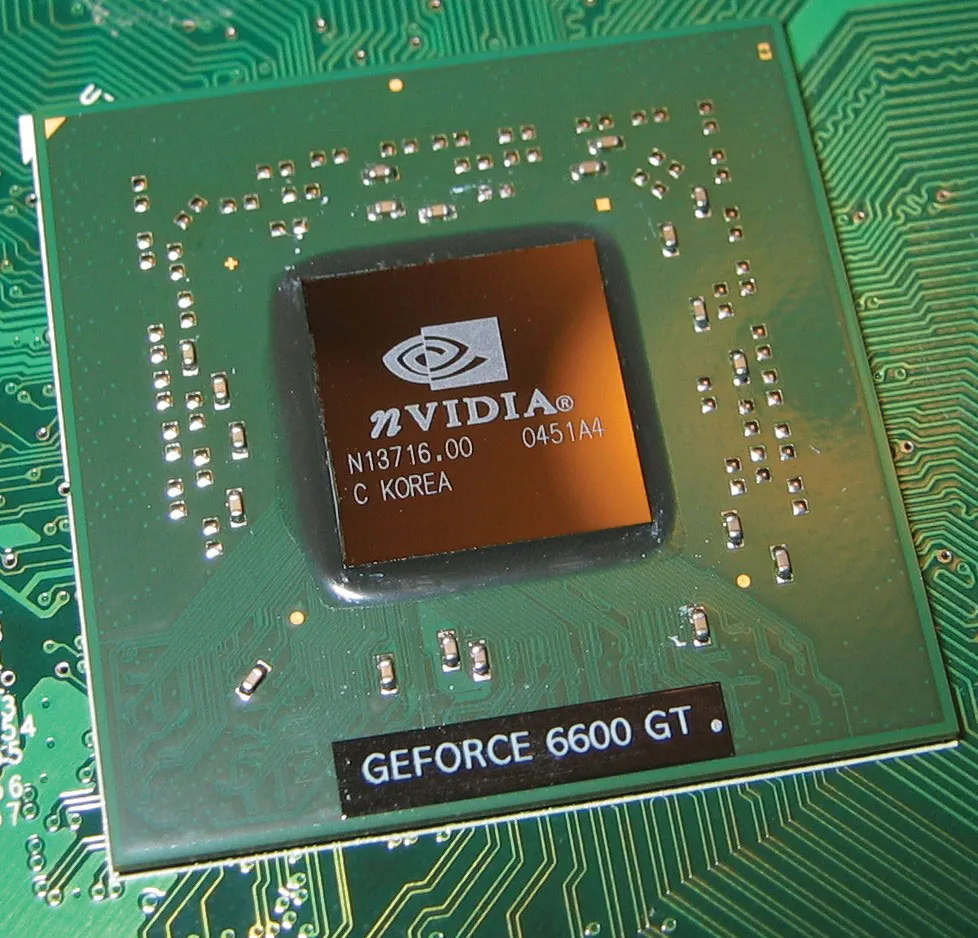
- GPUs vs CPUs: GPUs and CPUs use the same silicon transistors and fabrication nodes (e.g., 3-5 nm class), but differ in microarchitecture. CPUs dedicate die area (bare piece of silicon chip) to complex control logic and cache for decision-making, while GPUs allocate more space to repeating compute blocks, wide data paths, and supporting hardware like memory controllers.
- Consequently, high-end GPUs often contain more total transistors and are physically large, with some packages placing high-bandwidth DRAM close to the die for rapid data transfer. This architecture ensures GPUs can efficiently process massive volumes of data in parallel.
- Global Players: Nvidia does not technically hold a monopoly on GPUs, but it enjoys near-complete dominance in certain markets, holding roughly 90% share in discrete GPUs sold for use in personal computers while AMD and Intel comprise the rest. In data centers, Nvidia's position is strengthened by hardware performance and its CUDA software platform, which enables general-purpose computation on its GPUs.
India’s Initiatives to Develop GPUs
Frequently Asked Questions (FAQs)
1. What is a Graphics Processing Unit (GPU)?
A GPU is a parallel-processing semiconductor chip designed to execute thousands of simple computations simultaneously, ideal for graphics rendering and AI workloads.
2. How does a GPU differ from a CPU?
CPUs handle complex sequential tasks with strong control logic, whereas GPUs allocate more cores for parallel execution of repetitive mathematical operations.
3. What is CUDA and why is it significant?
CUDA is Nvidia’s proprietary parallel computing platform that enables general-purpose processing on GPUs, creating ecosystem dependence in AI development.
UPSC Civil Services Examination Previous Year Question (PYQ)
Q. With the present state of development, Artificial Intelligence can effectively do which of the following? (2020)
- Bring down electricity consumption in industrial units
- Create meaningful short stories and songs
- Disease diagnosis
- Text-to-Speech Conversion
- Wireless transmission of electrical energy
Select the correct answer using the code given below:
(a) 1, 2, 3 and 5 only
(b) 1, 3 and 4 only
(c) 2, 4 and 5 only
(d) 1, 2, 3, 4 and 5
Ans: (b)
Iran Temporarily Closes the Strait of Hormuz
Iran recently announced a rare, temporary closure of parts of the Strait of Hormuz to conduct live-fire naval drills codenamed "Smart Control of the Strait of Hormuz."
- This move coincides with the second round of indirect nuclear negotiations between Iran and the United States in Geneva
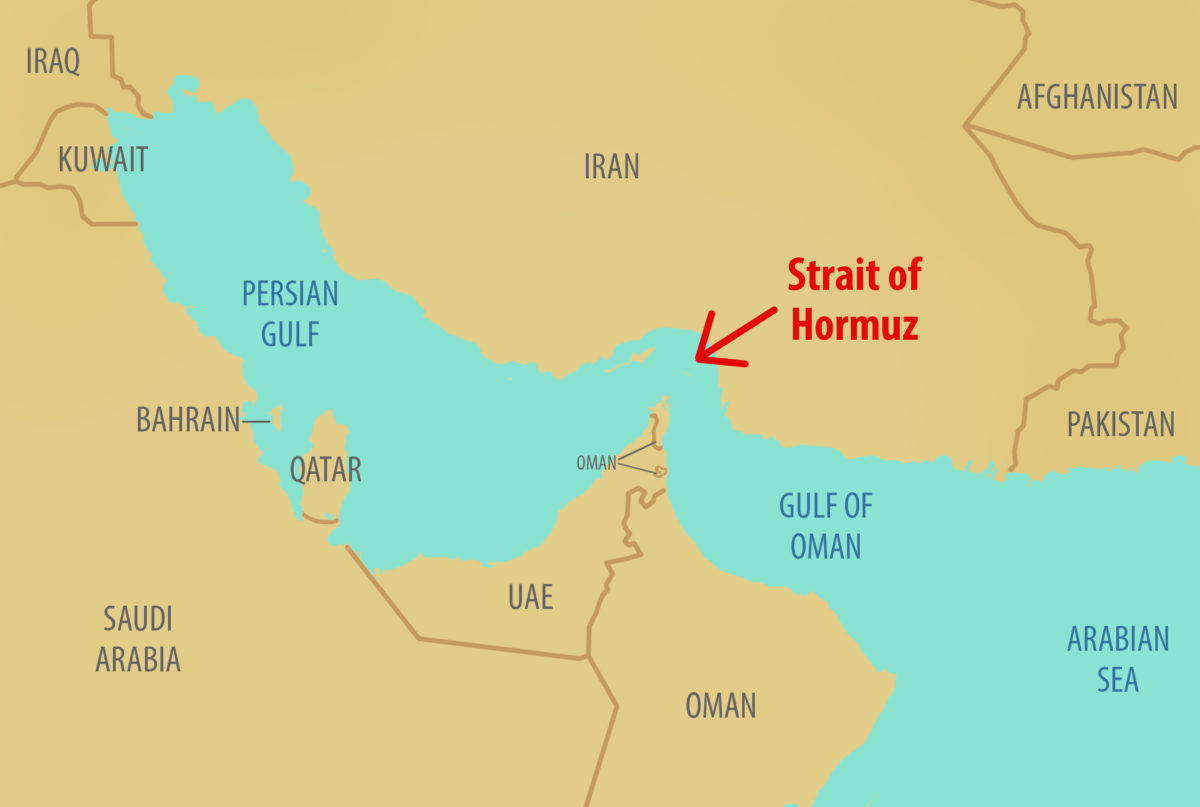
- Geographical Location: The Strait of Hormuz is a narrow chokepoint (55–95 km wide) and strategically crucial maritime passage between Iran to the north and Oman and the UAE to the south.
- It links the oil-rich Persian Gulf (West) with the Gulf of Oman and the Arabian Sea (East). It acts as the only sea passage from the Persian Gulf to the open ocean.
- Global Energy Security: It is a vital artery for international trade, with approximately 20% of the world's oil and gas supplies transiting through its narrow shipping lanes.
- Major exporters such as Saudi Arabia, Iran, Iraq, Kuwait, UAE, and Qatar depend on this route, with over 80% of the oil headed toward Asian markets, especially India, China, Japan, and South Korea.
- Impact on India: The economic stakes for India are immense, as nearly 50% of India’s crude oil and around 60% of its natural gas imports pass directly through this specific strait.
- Alternative Routes: While major producers like Saudi Arabia and the UAE have developed bypass pipelines, these alternative routes can only accommodate a fraction of the normal Hormuz transit volume.
- Historical Precedents: Iran has historically used the strait as leverage, threatening closure during the 1980s Iran-Iraq "Tanker War" and in response to the 2012 sanctions on Iran, though a full closure has never been fully executed.
| Read more: Strait of Hormuz |
DRDO Conducts Gaganyaan’s Drogue Parachute Test
Defence Research and Development Organisation (DRDO) conducts a successful qualification load test of the Drogue Parachute for Gaganyaan programme at Rail Track Rocket Sled (RTRS) facility of DRDO at Terminal Ballistics Research Laboratory (TBRL), Chandigarh.
- RTRS Capabilities: The RTRS is a highly advanced, dynamic ground-based testing facility used extensively for high-speed aerodynamic and ballistic evaluations.
- Drogue Parachute Significance: This test is crucial for ensuring safe crew module descent and recovery, marking progress toward India’s first human spaceflight mission.
- It acts as a primary brake to stabilize and decelerate the crew module before the main parachutes open, ensuring the safe splashdown of the astronauts.
- Testing loads higher than maximum flight conditions demonstrates the parachute’s extra safety margin in design.
Gaganyaan
- About: It is India’s first human spaceflight program, aiming to send a crew of 3 astronauts to Low Earth Orbit (LEO) at 400 km for 3 days and return them safely to Earth.
- The mission includes key tests such as Integrated Air Drop Test (IADT), Pad Abort Test (PAT), and Test Vehicle (TV) flights to validate safety systems before the manned mission.
- Mission Phases: Includes unmanned test missions followed by the first manned mission, expected to happen in early 2027.
- Crew training for Gaganyaan: Group Captain Prasanth Balakrishnan Nair, Group Captain Ajit Krishnan, Group Captain Angad Pratap, and Wing Commander Shubhanshu Shukla are India’s Gaganyaan astronaut-designates who have completed training in Russia and are currently undergoing further mission-specific training in India.
- Key Technologies for Crew Safety: The Human-Rated Launch Vehicle (HLVM3), a modified version of ISRO’s LVM3 rocket, is designed to safely carry astronauts to a 400 km Low Earth Orbit using solid, liquid, and cryogenic stages configured for human safety.
-
HLVM3 includes a Crew Escape System (CES) with high-burn-rate motors to enable safe abort during launch emergencies.
-
The Orbital Module consists of the Crew Module, which provides a pressurised, Earth-like environment for astronauts and enables safe re-entry, and the Service Module, which supports the mission in orbit with propulsion, power, and thermal control systems.
-
Birth Anniversary of Chhatrapati Shivaji Maharaj
Union Home Minister paid tributes to Chhatrapati Shivaji Maharaj on his birth anniversary (19th February), honouring his life-long commitment to establishing Hindavi Swaraj and protecting the nation's cultural ethos.
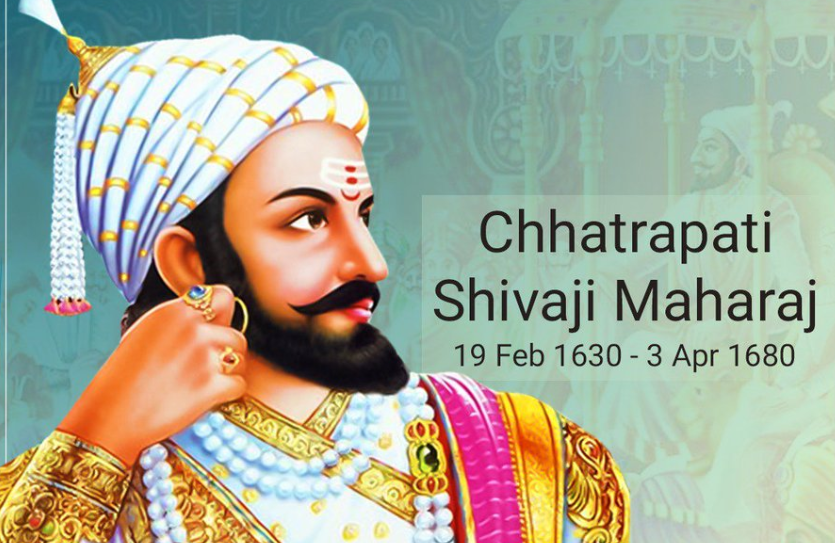
- Chhatrapati Shivaji Maharaj: Born on 19th February 1630, at Shivneri Fort near Pune, was the founder of the Maratha Empire and a visionary leader who resisted Mughal rule and championed self-governance.
- Major Battles Fought by Shivaji Maharaj: Battle of Pratapgad (1659), Battle of Pavan Khind (1660), Battle of Surat (1664), Battle of Purandar (1665), Battle of Sinhagad (1670), and Battle of Sangamner (1679).
- The Wagh nakh, was used by Shivaji to kill Afzal Khan in the 1659 Battle of Pratapgad.
- Vision of Hindavi Swarajya: At a young age, Shivaji Maharaj took a pledge to establish Hindavi Swarajya (Self-Rule), a progressive concept of indigenous sovereignty, ethical governance, and political independence free from foreign domination.
- He successfully united the masses around the core ideals of Swadharma (one's own dharma/duty), Swaraj (self-rule), and Swabhasha (one's own language), intentionally replacing Persian with Marathi and Sanskrit as the languages of administration.
- Military and Naval Genius: He organized a vast, inclusive army drawn from all sections of society.
- He is globally recognized for his innovative Guerrilla Warfare tactics (Ganimi Kava) and is celebrated as the "Father of the Indian Navy" for building a robust fleet and coastal forts (like Sindhudurg) to protect the western seaboard.
- Progressive Administration: His indomitable courage was matched by his statecraft, primarily structured around the Ashtapradhan Mandal (Council of Eight Ministers).
- He introduced a system of direct revenue assessment and collection from cultivators, reducing intermediary exploitation.
- Titles: He was honoured with titles such as Chhatrapati, Shakakarta, Kshatriya Kulavantas, and Haindava Dharmodhhaarak, reflecting his sovereignty, warrior lineage, and role as a protector of dharma.
|
Read more: Chhatrapati Shivaji Maharaj |
World Day of Social Justice 2026
The Department of Social Justice & Empowerment observed a special programme on 20th February 2026 to mark World Day of Social Justice, reaffirming the nation's constitutional commitment to social, economic, and political justice, along with liberty, equality, and fraternity.
World Day of Social Justice
- About: It is observed annually on 20th February as the United Nations' global platform to promote poverty eradication, decent work, gender equality, and social inclusion.
- The 2026 theme, "Renewed Commitment to Social Development and Social Justice," underscores the urgency of advancing these goals.
- Establishment: It is rooted in the 1995 Copenhagen Declaration and was proclaimed by the United Nations General Assembly in 2007, with the first observance taking place in 2009.
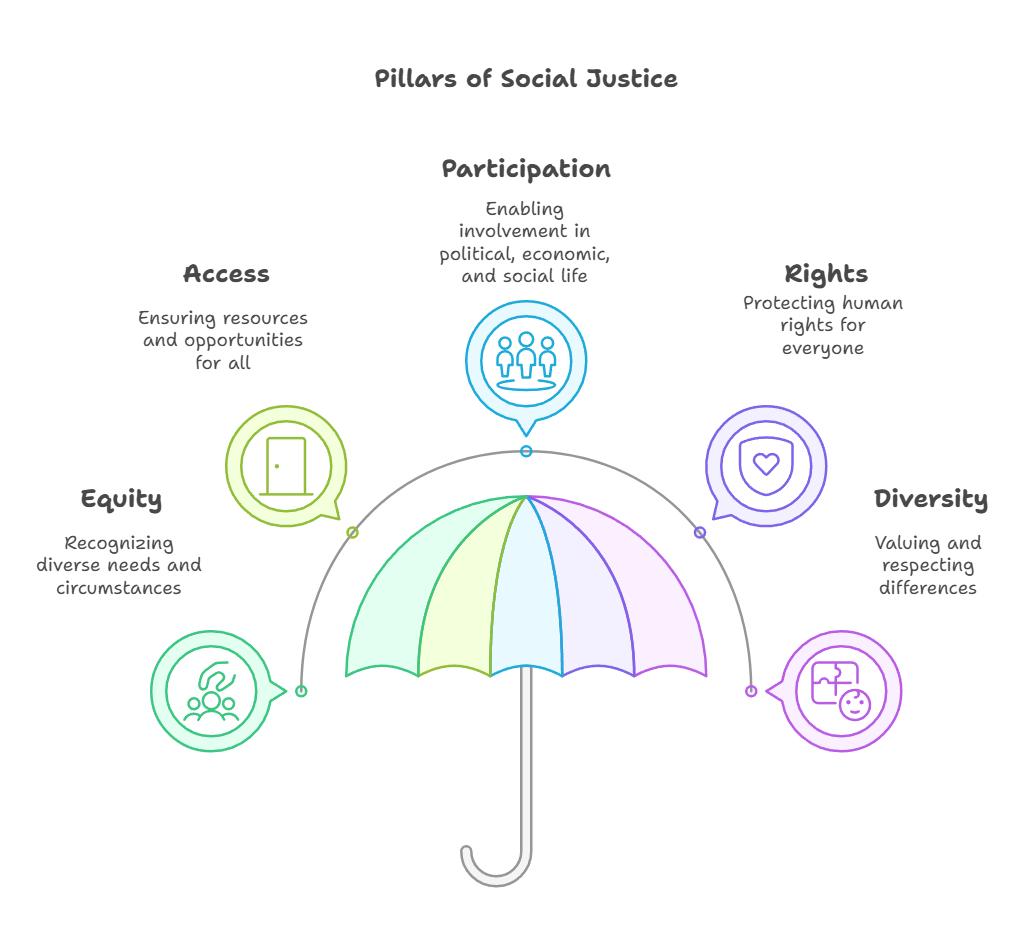
- Pillars of Social Justice:
- Key Institutions: International Labour Organization (ILO) (decent work agenda), United Nations Department of Economic and Social Affairs (UNDESA) (policy integration), civil society organizations advocate integrating social justice into economic, labour, climate, and digital strategies.
- ILO unanimously adopted the Declaration on Social Justice for a Fair Globalization on 10th June 2008.
- SDG Alignment: Directly supports SDG 1 (No Poverty), SDG 8 (Decent Work), SDG 10 (Reduced Inequalities).
| Read More: World Day of Social Justice 2025 |