
World Wildlife Day 2026 | 05 Mar 2026
World Wildlife Day 2026 was observed on 3rd March with the theme "Medicinal and Aromatic Plants: Conserving Health, Heritage and Livelihoods", commemorating the adoption of Convention on International Trade in Endangered Species of Wild Fauna and Flora (CITES).
- The day was officially designated by the United Nations General Assembly (UNGA) on 20th December 2013 during its 68th session, declaring 3rd March as World Wildlife Day.
Conservation of Medicinal Plants in India
- Plant Diversity in India: India, a mega-biodiverse nation, possesses 7% of global biodiversity with 45,000 plant species, of which 15,000 are medicinal plants and about 8,000 species are used in Indian systems of medicine (Ayurveda, Siddha, Unani) and folk medicines.
- Nearly 70% of India's medicinal plants are found in the Western Ghats, Eastern Ghats, Himalayas, and Aravalli range.
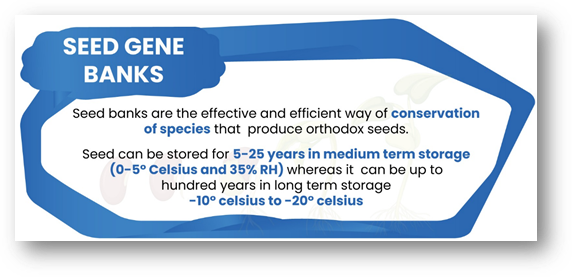
- Conservation Approaches: India employs in-situ conservation through 115 Medicinal Plants Conservation Areas (MPCAs) in natural habitats, and ex-situ conservation at the National Seed Gene Bank, New Delhi.
- National Medicinal Plants Board (NMPB): The nodal agency under Ministry of Ayush implements the Central Sector Scheme for Conservation, Development and Sustainable Management of Medicinal Plants, supporting conservation, cultivation, research, and marketing infrastructure.
- Key Government Initiatives:
- National Ayush Mission (NAM) 2014 and Mission for Integrated Development of Horticulture (MIDH) promote medicinal plant cultivation integrated with farming systems.
- e-CHARAK platform facilitates market access with fortnightly price updates of 100 medicinal plants from 25 herbal markets in multiple local languages.
- Aushadhi Vanaspati Mitra Program (AVMP) recognizes outstanding contributions to medicinal plant conservation.
- Medicinal Plants Business Centre (MPBC) component supports post-harvest management, scientific storage, and quality testing infrastructure.
- GI Tagged Medicinal Plants: India has protected its medicinal plant heritage through Geographical Indication (GI) tags including Navara Rice (Kerala) for Panchakarma therapy, Green Cardamom (Kerala & Karnataka), Ganjam Kewda Flower (Odisha), Saffron (Jammu & Kashmir), and most recently "Nagauri Ashwagandha" (Rajasthan) registered in November 2025.
| Read More: Biodiversity Hotspots in India |