
Avian Flu | 09 Jan 2026
A fresh outbreak of avian influenza (H5N1) in Kuttanad, Kerala has once again disrupted its centuries-old duck-rearing tradition, raising serious concerns about livelihoods, biodiversity, and rural sustainability.
- The latest outbreak has already killed ~55,000 birds, with another 25,000 set to be culled as a preventive measure.
- Indigenous duck breeds like Chara and Chembally face a risk of local extinction.
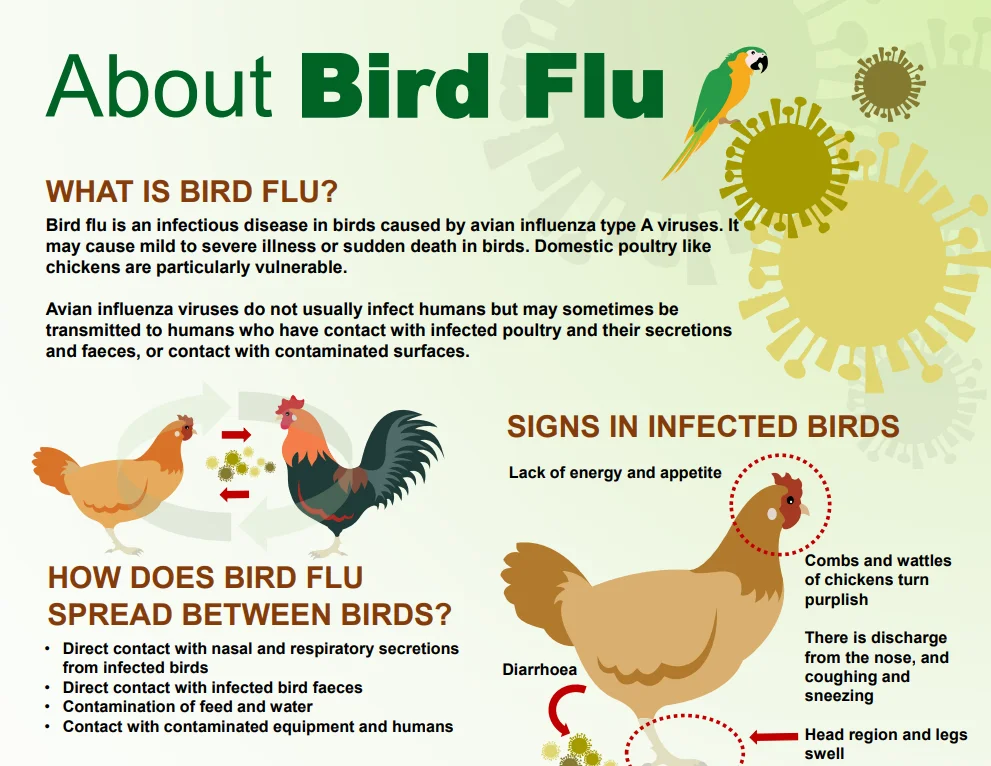
- Avian influenza A(H5N1): It is a highly pathogenic virus that primarily circulates among birds but can also infect mammals.
- History: First detected in China in 1996, it has since evolved into a global threat. India reported its first outbreak in Maharashtra and Gujarat in 2015.
- Transmission: Human infection with avian influenza is rare and occurs mainly through direct contact with infected birds or their secretions, especially in poultry farms and live bird markets.
- Symptoms: Common symptoms include high fever, cough, sore throat, and muscle aches.
- Severe cases may progress to respiratory failure or neurological complications, while some exposed individuals remain asymptomatic.
- Treatment: Antiviral drugs such as oseltamivir are effective, particularly when given early in severe or high-risk cases.
| Read more: H5N1 Bird Flu |